
Compound Bodyweight Moves for Beginners to Maximize Results
When starting a fitness journey, bodyweight exercises can be incredibly effective, especially compound moves that engage multiple muscle groups. These movements help build strength, improve coordination, and enhance flexibility. One great benefit of bodyweight exercises is that they can be performed anywhere, making them convenient for beginners. Compound exercises, such as push-ups, squats, and lunges, are excellent starting points due to their ability to create more significant muscle engagement and caloric burn. Incorporating these exercises into your routine will not only aid in building muscle but also in improving overall fitness levels. A solid foundational strength not only supports workout progression but also fosters injury prevention as one advances. Focus on your form to maximize results and gain confidence in your abilities. Each compound exercise can provide results that will encourage continued efforts and consistency. Thus, embracing a steady routine that features a variety of these exercises will work to strengthen the body effectively over time. Prioritize safety and listen to your body while slowly increasing the intensity for optimal results in your bodyweight exercise journey.
To effectively streamline bodyweight workouts, it is vital to establish a progression system, especially for compound moves. Begin with basic variations of exercises and gradually amplify the difficulty over time. For instance, start with incline push-ups if standard push-ups feel challenging, or perform half squats before advancing to full squats. This ensures that you develop the strength and technique necessary to perform more advanced variations without sacrificing form. Strength training has many long-term benefits, including increased muscle tone and overall endurance. Moreover, consistency in practicing these movements will lead to better results over time. Bodyweight exercises require a self-determined approach to adapt workouts that fit one’s personal fitness goals. Remember to include movement variants that target your full body, such as jump squats and burpees, to not only increase the heart rate but also to create a challenging workout. Regularly mixing workout routines will stave off plateaus and keep the body continually challenged to adapt and grow stronger. With commitment and inventive training, even beginners can achieve impressive gains from bodyweight workouts.
Essential Compound Bodyweight Exercises
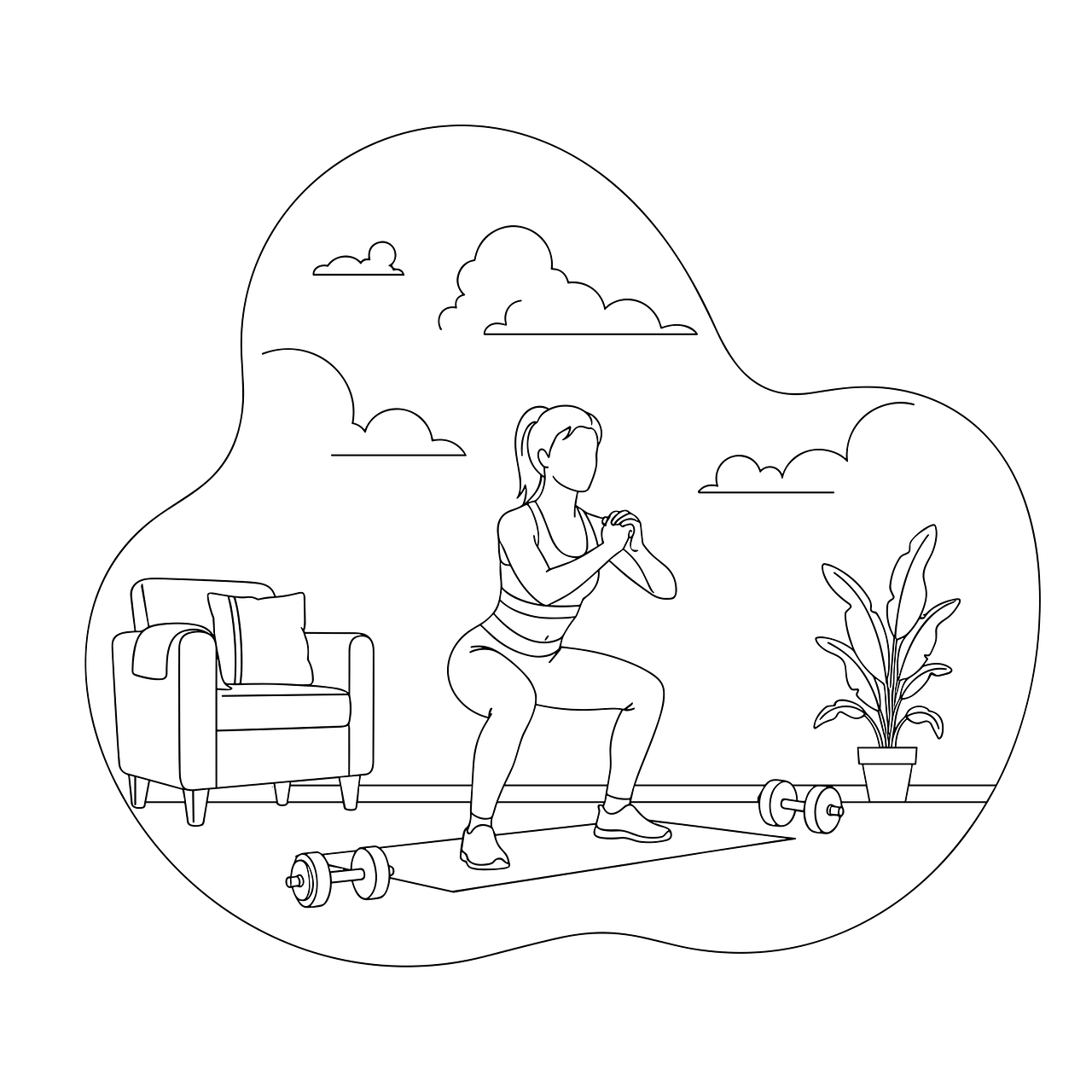
Several key bodyweight compound exercises are particularly effective for beginners seeking to maximize fitness results. Among these essential movements are the push-up, squat, and lunge. The push-up is a classic exercise that targets the chest, shoulders, and triceps while requiring core stability for proper execution. For beginners, knee push-ups can be an excellent alternative until strength improves. Next, squats engage the lower body muscles, particularly the quadriceps, hamstrings, and glutes, while promoting overall functional movement. Maintaining an upright chest and ensuring knees do not extend beyond the toes is critical for safety. Lunges are another vital compound exercise, as they work the same lower body muscles while introducing an element of balance. Alternating between stepping forward and backward helps build coordination and strength proportionally. Moreover, incorporating dynamic movements such as jumping lunges will elevate workout intensity and cardiovascular benefits. Therefore, these foundational exercises are paramount for establishing a robust base for future fitness enhancements. As comfort increases in performing these exercises, exploring modifications and new moves can further expand training efficiency.
In addition to fundamental movements, creating a well-rounded bodyweight workout plan is essential for maximizing results. Including targeted exercises to engage the core can help improve stability and overall performance in compound movements. Effective core-strengthening exercises include planks, mountain climbers, and hollow body holds. Planks not only help stabilize the core but also activate other muscle groups, enhancing overall strength. Mountain climbers, on the other hand, incorporate an added cardio element, making them an ideal choice for those looking to boost their heart rate while improving core strength. Moreover, when performing bodyweight movements, employing slow, controlled movements helps cultivate muscle engagement and depth. For instance, counting to three during squats put more focus on the muscles used and sharpens technique. Being mindful of how exercises feel improves overall development and reduces injury risk. While beginners can achieve significant results with compound bodyweight moves, combining various exercises into a single routine enables continual improvement in tracking progress. Consequently, systematically documenting workouts promotes self-awareness and drives motivation for the journey ahead.
Creating a Balanced Routine
To establish an effective workout regimen, beginners need to create a balanced routine that incorporates a variety of compound movements and cardio elements. Devoting time to building aerobic capacity through jump rope intervals or high knees can boost cardiovascular fitness while complementing strength training. This combination supports endurance, enhancing the ability to perform more reps as strength develops. Scheduling workouts should also include rest days to allow muscles to recover and grow. Balancing strenuous workouts with recovery days is essential for beginners to avoid burnout. It’s essential to design workouts that incorporate diverse compound exercises aiming for distinct muscle groups throughout the week. For example, one can target upper body exercises on one day and switch to lower body moves on the next while taking a cardio day in between. Structuring your week in this way helps maintain clear objectives and focused training, ensuring progress across all areas of fitness. Stay committed to a regular training structure that mimics these guidelines to promote growth and limit injury, making sure to listen to your body for optimal performance.
Tracking progress within your bodyweight workout routine plays a significant role in maximizing results. Beginners should aim to keep a journal or an app to record each session’s details, such as the number of repetitions, duration, and the specific exercises completed. Regularly assessing improvement motivates individuals to remain committed to their fitness goals. Next, consider setting specific goals, such as the desired number of push-ups or squats in a single routine by a particular deadline. As these goals are met, adjusting the program to increase intensity can directly contribute to ongoing fitness progression. Furthermore, focus your attention on specific areas where improvement is desired, whether it’s to increase endurance, strength, or flexibility. Incorporate stretching and recovery techniques into your weekly plan, ensuring that not only your workouts are productive but your body stretches adequately. Adapting the plan based on performance and feedback assures that individuals are not merely repeating motions but evolving in pursuit of fitness advancement. With determination and goal-setting practices, the journey towards optimal bodyweight exercise outcomes will yield remarkable improvements over time.
Staying Motivated
Maintaining motivation throughout a fitness journey can be a challenging aspect, especially for beginners in bodyweight workouts. Setting realistic, achievable goals at the outset is crucial for building a sustainable fitness routine. Celebrate accomplishments, whether big or small, to bolster enthusiasm for continued efforts. Moreover, consider finding a workout buddy or joining a community focused on fitness to cultivate commitment and accountability. Sharing experiences and challenges with others creates a supportive environment, making workouts more enjoyable and social. Utilizing online platforms or social media groups dedicated to bodyweight exercises can also enhance excitement within your routines. In addition, diversifying your movements each week can keep boredom at bay while always striving for improvement. Experimenting with different exercise combinations invites growth and keeps routine engagement high. Furthermore, tracking achievements over time helps reinforce the mindset that fitness is a journey. Discovering personal milestones while fostering a positive mindset will lead to long-term results. With dedication and varied approaches, beginners can become excited about their progress, ultimately achieving their fitness aspirations through compound bodyweight moves.
Finally, integrating appropriate nutrition plays an undeniable role in maximizing the results of any workout routine, including bodyweight exercises. Consuming a balanced diet rich in essential nutrients will fuel both workouts and recovery. Focus on whole foods such as fruits, vegetables, whole grains, and lean proteins for sustained energy. Hydration is equally significant; ensuring adequate water intake is essential in supporting hydration during workouts. Good nutrition enhances the body’s ability to recover and adapt to challenges presented during training. Meal pre-planning for the week can help ensure that nutritional goals are met consistently, keeping cravings and fatigue at bay. Furthermore, pay attention to post-workout meals by incorporating protein for muscle repair and complex carbohydrates for replenishing lost energy. As nutritional habits evolve alongside fitness progress, individuals will likely notice a positive shift in energy levels and workout performance. Staying informed about nutritional guidelines popular in fitness communities will contribute to maintaining a balanced diet. In summary, coupling compound bodyweight exercises with focused nutrition and hydration leads to long-term success and improved results, showcasing the synergy between effort and lifestyle choices.