
Core Training Exercises to Enhance Teen Balance and Coordination
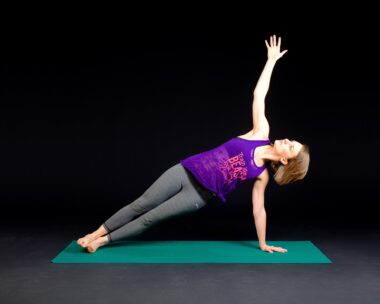
Core training is essential for teenagers as it greatly contributes to their overall balance and coordination. A strong core stabilizes the body and enhances athletic performance. Additionally, improved core strength can reduce injuries in teens by maintaining proper posture and alignment during physical activities. Engaging in exercises specifically designed for this age group can foster a productive fitness routine. Emphasizing core workouts can be particularly beneficial for teens involved in sports or physical education. There are numerous exercises that target the core effectively, such as planks and bridges. Moreover, incorporating balance-focused movements can enhance coordination and agility. Activities that challenge balance are also fun, keeping teenagers engaged. This engagement might inspire them to adopt a healthier lifestyle overall. Parents can encourage their teens by participating in these exercises together, which adds a layer of fun and motivation. Establishing a routine that includes core training can instill lifelong fitness habits. To make the training enjoyable, consider integrating games or challenges related to balance. Always remember to prioritize safety during workouts to prevent injuries. Finally, consult with a fitness professional to tailor the program specifically for teens.
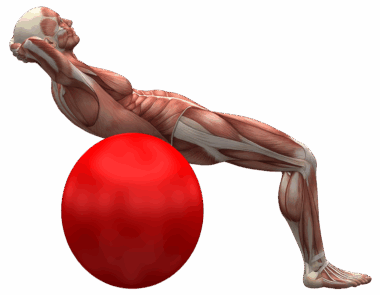
To further enhance the core training experience for teenagers, consider the incorporation of playful activities. Engaging teens in exercises such as balance beams and yoga is both fun and beneficial. These activities can create an enjoyable atmosphere while promoting physical well-being. The use of stability balls can add an extra element of excitement to core workouts. It’s essential to guide teens through various movements, ensuring they maintain proper form throughout their exercises. This focus on technique can help prevent injuries and foster good exercise habits. Moreover, group sessions can boost motivation and camaraderie among peers. Incorporate cooperative games that demand balance and coordination to promote teamwork alongside strength building. Teaching proper breathing techniques during core exercises is equally important. Controlled breathing can enhance stability and overall performance during workouts. Encourage teens to set realistic goals and track their progress, which can create a sense of achievement. In addition, balancing core workouts with flexibility training can further optimize results. A holistic approach to fitness encourages well-rounded development in teens, fostering a positive body image and self-esteem. Always remember, consistency is key to building strength and coordination effectively.
Effective Core Exercises for Teens
Some effective core exercises tailored for teens include sit-ups, Russian twists, and leg raises. Each of these movements effectively targets different muscle groups within the core. Sit-ups assist in strengthening the abdominal muscles, while Russian twists enhance rotational strength and core stability. Additionally, leg raises focus on the lower abdominal region, making them a comprehensive addition to a core workout routine. It’s vital that teens engage in these exercises with a focus on proper form to maximize benefits and minimize injuries. Incorporating resistance bands can also augment traditional exercises, providing added intensity. Moreover, exercises such as the Superman and mountain climbers are excellent choices for building core strength while integrating full-body movements. As teens progress in their training, variations in difficulty can also be introduced. It’s crucial to maintain a balanced approach, combining strength, flexibility, and endurance in each workout. Performing core exercises in a circuit format can help maintain their interest while ensuring a comprehensive workout. Lastly, always encourage hydration and proper nutrition surrounding their exercise routine, as these elements play a key role in enhancing performance and recovery.
Core training exercises offer boundless benefits for teens beyond just enhanced balance and coordination. Improved core strength can positively impact posture, which is often compromised during their rapid growth phases. This improvement leads to better athletic performance across various sports disciplines, essential for teens either participating in or aspiring to join teams. Furthermore, learning about how core strength contributes to overall fitness can foster a deeper appreciation for physical health. Strong core muscles are fundamental for daily activities, including sitting, standing, and walking. Educating teens on body awareness helps them understand the importance of maintaining a strong core. In addition, incorporating core workouts into their routines can build resilience, discipline, and focus, essential life skills that transcend physical fitness. Another noteworthy advantage is injury prevention, especially in competitive sports. Strengthening the core stabilizes the body, minimizing the risk of strains and sprains. Teens will also find that increased coordination facilitates better performance in sports, resulting in enhanced self-esteem and confidence. Integrating core exercises within team practices can promote a culture of fitness. With encouragement from coaches and trainers, teens can develop a lifelong affinity for health and fitness.
The Role of Nutrition in Core Strength
In tandem with exercises, nutrition plays a crucial role in maximizing the benefits of core training. A balanced diet rich in proteins, healthy fats, and carbohydrates is vital for teens trying to build muscle and strength. Foods such as lean meats, legumes, whole grains, and plenty of fruits and vegetables will provide the necessary nutrients for muscle recovery and growth. Encouraging teens to fuel their bodies adequately can significantly impact their performance in all physical activities. It’s essential to highlight the importance of staying hydrated during workouts, as proper hydration supports muscle function and stamina. Educating them about the impact of nutrition on energy levels will reinforce healthy habits. Snack choices can encompass items such as yogurt, nuts, and smoothies to maintain energy during training. Moreover, discussing the importance of post-workout recovery meals can also greatly benefit young athletes. This phase is when muscles repair and grow stronger. Teaching teenagers the connection between diet and fitness can empower them to make better food choices. Creating meal plans that support their active lifestyle will produce optimal results. Ultimately, promoting a comprehensive approach to fitness involves integrating exercise and nutrition harmoniously for increased effectiveness.
As teenagers become increasingly engaged in fitness, fostering community involvement can significantly enhance their experience. Participating in group classes or teams not only encourages motivation but also promotes strong bonds among peers. Teens often thrive in social environments where they can share experiences and challenges. Community centers and local gyms usually offer classes specifically designed for teens that focus on core training. These classes often blend fun and fitness, making core workouts more enjoyable. Encouraging participation in school sports can also serve as an excellent avenue for instilling core exercises regularly in their routines. Coaches can implement core workouts into warm-ups and practices, establishing a norm within the team. Additionally, schools can host fitness challenges or events that prioritize balance and coordination, promoting healthy competition. Encouraging teens to seek workout buddies further solidifies commitment to core training. In addition, celebrating milestones and achievements within groups fosters confidence and a sense of community. With consistent encouragement and support, teens can cultivate a lifelong dedication to fitness. Importantly, they will learn how supporting one another leads to shared successes and improved physical well-being.
Making Core Training Fun and Engaging
To ensure that core training remains enjoyable for teens, incorporating games and challenges can keep them engaged. Activities like obstacle courses or relay races that require balance and coordination can motivate teens to participate actively. Implementing fun variations on traditional exercises, such as partner workouts or timed challenges, can stimulate excitement. Establishing a competitive atmosphere encourages teens to push their limits and strive for improvement. Using creative tools such as cones, mats, and colorful equipment can also enhance visual appeal and interest. Moreover, introducing technology such as fitness apps or tracking devices can gamify their workouts. Allowing teens to record their progress fosters a sense of ownership over their fitness journey. Understanding that fitness doesn’t need to be mundane can significantly impact their perception of core training. Collaborating with friends or family members to set goals or complete challenges together can further enhance accountability. Remember, incorporating variety in workouts prevents monotony and keeps teens eager for the next session. As they discover enjoyable ways to engage with core training, they are likely to embrace a lifestyle of health and fitness that benefits them in numerous ways.
Overall, the journey of improving balance and coordination through core training can be incredibly rewarding for teens. The physical benefits are evident, but the psychological enhancements play an equally critical role. Through regular core exercises, teenagers can develop greater self-esteem as they recognize their progress and capabilities. Establishing a regular training routine gives teens not only physical strength but also discipline and commitment. The skills learned from core training go beyond the gym, positively influencing other aspects of life. Teens who actively engage in fitness often perform better academically, as they learn to balance their time effectively. The teamwork and social skills developed through group workouts further prepare them for future challenges. It’s important for parents and educators to support this process by promoting core training and leading by example. Encouraging teens to view fitness as a fun and essential aspect of their lives will lay the groundwork for lifelong health. Ultimately, core training can act as a foundation for meaningful growth, pushing teens towards a healthier lifestyle. In summary, prioritizing core exercises equips young individuals with tools necessary for success both in sports and in life, instilling confidence and resilience.