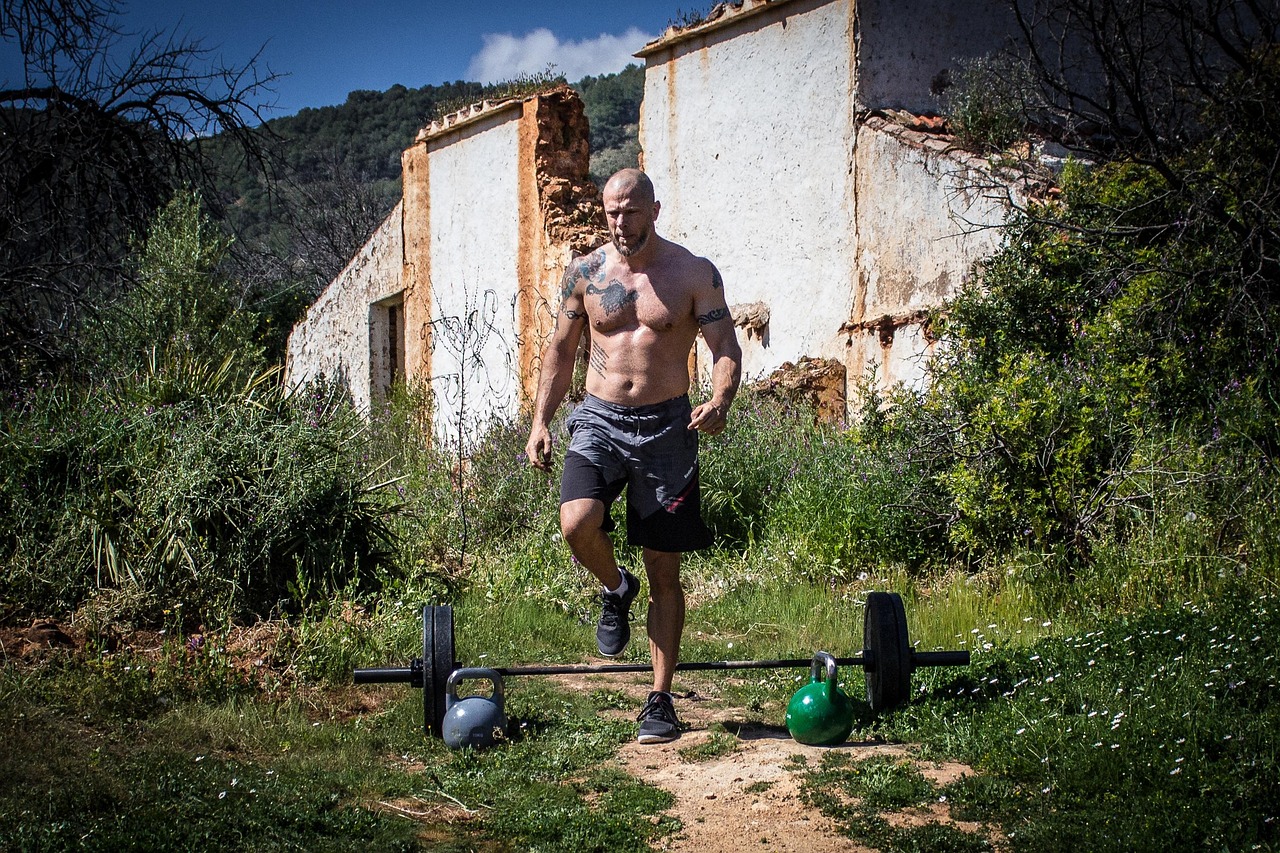

How to Train for Endurance Using Kettlebell Snatches
Kettlebell snatches are a fantastic exercise to enhance endurance while also improving overall strength. As an explosive movement, they promote both cardiovascular capacity and muscular endurance. When performing kettlebell snatches, the goal is to move fluidly, maintaining momentum throughout the motion. Proper technique is paramount to maximize benefits and minimize injury risks. Start with lighter weights to practice the movement pattern effectively. Gradually increase the weight as your technique improves. During workouts, aim to complete several sets of repetitions. Each set should balance between high repetitions, short breaks, and consistent tempo. Focus on breathing; inhaling during the downward motion and exhaling as you snatch the weight overhead can significantly enhance performance. Incorporate progressive overload by increasing weights or adding repetitions over time. Recording your workouts can help track progress and motivate you to push harder. Additionally, the kettlebell snatch can be combined with other exercises to form a circuit, further enhancing endurance. Use kettlebell swings, deadlifts, and push presses as complementary movements to create a thorough endurance training regimen. This approach will balance cardiovascular benefits alongside strength gains.
To optimize kettlebell snatch workouts for endurance, it’s critical to focus on pacing and breath control. Training your body to maintain effort levels over extended periods leads to improved stamina. One effective strategy is to utilize interval training. Intervals allow the opportunity to push intensity for set durations followed by rest or lower-intensity movements. This can be implemented through high-repetition snatches interspersed with brief rest periods. Also, consider setting a specific time frame for a workout, such as ten to thirty minutes, and see how many snatches you can complete within that time. Each successive workout should aim to either increase the number of snatches or reduce breaks between sets. Ensure that proper hydration and nutrition accompany endurance training to support recovery and performance. A balanced diet rich in complex carbohydrates, healthy fats, and lean protein aids in building stamina. Listening to your body is vital; signs of overexertion include extreme fatigue or improper technique. Adjustments may be necessary to allow adequate recovery and maintain health while pushing endurance boundaries. Lastly, enhancing grip strength is essential for kettlebell work to withstand high volumes.
Integrating Variety into Your Kettlebell Training
Introducing variety to kettlebell training not only keeps workouts exciting but also encourages muscle adaptation, which promotes long-term endurance success. Consider rotating exercises that target different muscle groups to provide a well-rounded approach while still focusing on kettlebell snatches. Complementing snatches with exercises such as kettlebell cleans, thrusters, and lunges promotes overall fitness and endurance. Organizing workouts into themed days can also be effective, such as a snatch-centric day followed by a support or accessory strength-building day. Additionally, using different types of kettlebells, such as competition or adjustable kettlebells, can change the dynamics of each workout. This variety challenges the body in unique ways and prevents plateaus. Incorporating outdoor or community settings, such as parks or group classes, can enhance motivation and accountability as well. Engaging with others who share fitness goals can boost enthusiasm and encourage endurance training with kettlebells. Also, varying workout environments and settings provides new challenges to your mental endurance. Regularly consult fitness professionals for advice to get fresh ideas for workouts; expert guidance can lead to improvements you may not have considered.
Incorporating proper warm-up and cool-down routines can significantly impact overall performance during kettlebell endurance training. Without adequate warm-up, the risk of injury rises, particularly with dynamic exercises like snatches. A recommended warm-up includes mobility exercises, dynamic stretches, and lighter kettlebell movements to prepare muscles and joints for more intensive actions. Cool-downs, however, allow for gradual normalization of heart rate and recovery during and after intense workouts. Session cool-down stages should involve static stretches that target muscles engaged during kettlebell snatches, supporting flexibility and reducing post-workout soreness. Hydration should be maintained pre- and post-workout, ensuring optimal performance and recovery. Pay attention to replenishing electrolytes if workouts exceed an hour, where sweat loss can lead to a deficiency. Supplements, such as BCAAs, can foster recovery processes, enhancing muscle healing and endurance capabilities. Furthermore, adequate sleep allows for bodily repair and increases overall performance during workouts. It creates optimal conditions for muscle recovery and builds endurance over time. Combine these supportive practices with consistent kettlebell workouts, and you will noticed considerable improvements in strength and stamina.
The Importance of Recovery in Endurance Training
Never underestimate the role of recovery in a successful endurance training program. Muscles undergo stress while performing kettlebell snatches, and recovery allows your body to heal, adapt, and come back stronger. Scheduling rest days between intense training sessions is necessary to prevent fatigue. Consider strategies like active recovery, which involves low-intensity activity to promote blood flow and flexibility without placing unnecessary strain on muscles. Activities like walking, yoga, or swimming serve as excellent options on these recovery days. Regular sleep also aids recovery, as deep sleep repairs tissues and replenishes energy levels. Prioritizing recovery doesn’t just prevent injuries; it also fosters long-term endurance improvements. Nutrition plays a critical role during recovery phases. Emphasize proteins to repair muscles and carbs to refuel energy stores depleted during workouts. Good hydration and supplements can further facilitate recovery applications. Body composition goals may also influence recovery approaches. e.g., targeting muscle gain requires unique strategies compared to weight loss. Ultimately, establishing a recovery-focused routine, including nutrition strategies and proper rest, creates an environment ripe for maximal kettlebell endurance training effectiveness.
Listening to your body is paramount; understanding when to push through and when to ease back on kettlebell training is crucial for sustainable endurance improvement. Factors influencing performance vary daily, from fatigue levels to stress, which necessitate flexibility in training plans. Developing a reflective practice after each workout can enhance self-awareness regarding your limits and abilities. This reflection may help identify patterns, such as certain days your endurance is higher than others, allowing for optimal workout planning. Consider using a journal for tracking progress and feelings associated with each session as insightful observations can influence future workloads. Engaging with interested communities, either online or in person, may provide additional motivation and valuable suggestions to enhance endurance workouts effectively. There’re diverse approaches to endurance training using kettlebell snatches, and discovering what resonates most with you will evolve your fitness journey. Ultimately, fostering a personal connection with fitness will amplify dedication and achievement over time. Don’t forget to celebrate every progress milestone, no matter how small. Consistency is key to results in endurance training and building a support system enhances resilience during harder phases.
Conclusion: Your Endurance Journey with Kettlebell Snatches
Training for endurance using kettlebell snatches requires patience, dedication, and smart planning. By developing an understanding of the kettlebell snatch’s mechanics, integrating effective strategies, and prioritizing both variety in workouts and recovery, anyone can improve their endurance levels significantly. Always focus on technique as the foundation of building endurance to prevent injuries and enhance performance. Regularly assess your progress and modify your workouts to meet evolving goals. Find camaraderie within a community that inspires individuals to achieve their fitness aspirations together, sharing successes and overcoming obstacles. Keep in mind that endurance training is a journey, not merely a destination. Embrace the inevitable ups and downs that accompany this process. Celebrate not only the measurable achievements but the intangible growth experienced along the way. Stay committed to your workouts and nourish your body properly for optimal recovery. Kettlebell snatches can yield significant results when performed consistently with these principles in mind. Now, equipped with knowledge and strategies outlined in this article, you have all necessary resources to embark on your kettlebell endurance training journey.