
Top 10 Exercises to Improve Your Skateboarding Skills
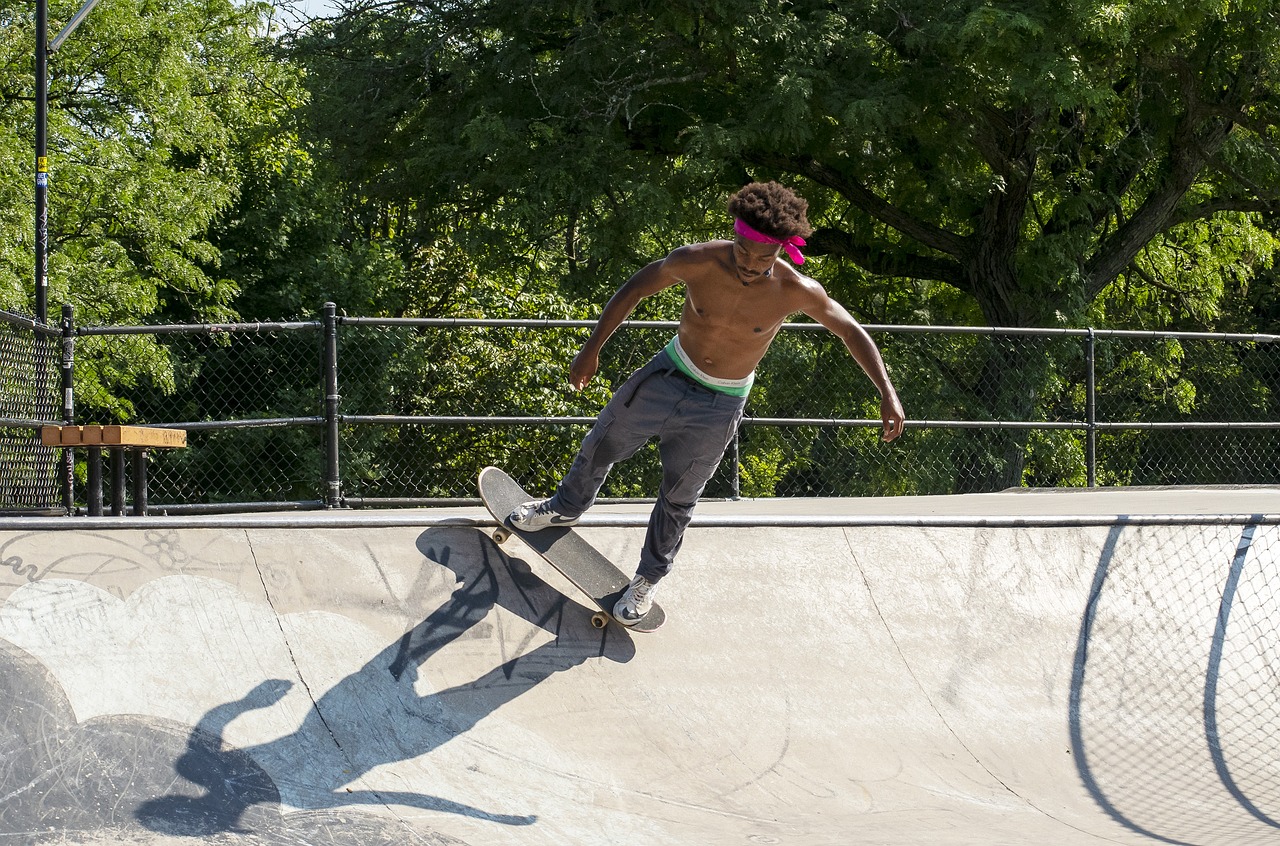
Skateboarding requires not only balance but also strength and agility. One of the best ways to enhance your performance is by incorporating specific exercises into your training. Start with squats to build leg strength, which is essential for powerful pushes and stable landings. Add variations like jump squats to develop explosive power, helping you achieve higher ollies and tricks. Furthermore, lunges are excellent for improving balance and coordination, as they mimic the movements you’ll experience while skating. Don’t forget to work on your core as well; planks and side planks stabilize your body during tricks and turns. Additionally, including box jumps in your routine can significantly enhance your leg explosiveness, vital for mastering aerial maneuvers. Flexibility is equally important, so consider adding yoga or dynamic stretches to prevent injuries and increase your range of motion. Ultimately, a well-rounded fitness program focusing on strength, balance, and flexibility will prepare you to tackle more difficult skating challenges. Make these exercises a regular part of your routine for noticeable improvements in your skateboarding skills.
One excellent exercise for skateboarders is the push-up, which builds upper body and core strength. By performing push-ups, you strengthen muscles that support your balance and stability while performing tricks and maneuvers. To target different muscle groups, experiment with varied push-up styles, such as wide grip or diamond. Another key exercise to consider is the deadlift, focusing on developing your posterior chain. This movement will improve your strength and enhance your overall performance on the board. As your core becomes stronger, your ability to land tricks confidently will increase. Incorporating elements like mountain climbers or burpees into your routine can boost stamina and explosiveness, which are crucial during long skate sessions. Building endurance through cardio, like jogging or cycling, is equally important for sustaining your energy levels while skating. Remember to take rest days to allow your muscles to recover, which is a vital part of training for any athlete. Pain or fatigue can hinder your progress; hence, listen to your body and adjust your training accordingly. Combining these exercises can create a robust exercise program tailored for skateboarding improvement.
Dynamic Balance Exercises
Balance plays a crucial role in successful skateboarding, making specific exercises highly beneficial. Incorporate balance boards into your training to simulate the feeling of being on your skateboard while improving stability. These boards promote muscle engagement and give you a sense of the shifting weight that occurs while skating. Another effective balance exercise is single-leg stands, which enhance your proprioception. Switching from one leg to the other while performing various tasks can significantly develop your balancing skills. Additionally, try using a wobble cushion or stability ball to add an element of instability, forcing your core muscles to engage more vigorously. Plyometric exercises, like lateral jumps, can improve your agility and quickness, crucial attributes in skateboarding. Keeping your feet light and agile improves your ability to land tricks, navigate obstacles, and take turns without losing control. Lastly, don’t overlook the importance of reaction drills—having a teammate throw a ball while you maintain your balance on one leg can enhance your reflexes and core strength simultaneously. Incorporating these dynamic balance exercises will greatly enhance your skating performance.
Resistance training can greatly improve your overall strength, making it easier to execute various skateboard tricks. Utilize resistance bands for exercises such as lateral band walks, which target the hip abductors, crucial muscles for maintaining balance. Also, try integrating weighted squats into your routine, focusing on perfecting your form while gradually increasing resistance. Not only will this improve your overall strength, but it will also build endurance critical for prolonged skate sessions. Include cable machines to perform rotational exercises to mimic the twisting movements seen when executing tricks. Strong core twisting enhances control, allowing you to integrate various skateboarding techniques seamlessly. Plank variations using stability balls can intensify your core workouts, adding an unstable element to further challenge your stability. As you build your strength, you’ll likely find yourself more agile and able to execute tricks with greater ease. End each workout with a cool-down routine that includes stretching to promote flexibility. A flexible body can respond better when landing those tricks, therefore reducing the risk of injury significantly. Regularly implement resistance training into your regimen to foster improvement in your skateboarding skills.
Cross-Training Activities
Incorporating different physical activities can also significantly benefit your skateboard training program. Cross-training helps by developing new muscle groups and preventing boredom in your routine. For instance, surfing can improve your balance and adaptability, while snowboarding strengthens similar muscles used in skating. Rollerblading offers a fantastic way to enhance your speed and coordination, ensuring the skills transfer seamlessly back to skateboarding. Additionally, martial arts such as karate or jiu-jitsu can enhance your agility and reflexes through the practice of various moves that improve body control. Rock climbing is another great choice, as it builds grip strength and pushes you to think critically about each move, honing your problem-solving skills—a vital aspect of skateboarding. Swimming provides a low-impact way to improve your cardiovascular fitness, consequently benefiting your overall performance. Keep in mind that keeping your training diverse will help keep your body and mind engaged. Use this cross-training approach to enhance overall conditioning while enjoying new activities. Remember, diversity in training ensures well-rounded skills development while minimizing the risk of overuse injuries.
Lastly, consider your nutrition as a vital element of your training routine. Proper nutrition can significantly influence your energy levels, recovery time, and overall performance. Aim to consume nutrient-dense foods that provide a balance of carbohydrates, proteins, and healthy fats. These macronutrients will fuel your body effectively throughout intensive skate sessions. Incorporate lean proteins for muscle recovery, particularly after rigorous workouts. Foods like chicken, fish, and plant-based options such as lentils or tofu are excellent choices for post-exercise meals. Don’t forget to hydrate adequately, as staying hydrated supports your performance and concentration. In addition, maintaining a healthy balance of vitamins and minerals is essential; consider incorporating fruits and vegetables into each meal. Ample vitamins can boost your immune system, reduce soreness, and support recovery. Smoothies can also be a quick, nutritious post-workout option that energizes and restores lost nutrients. Optimize your performance during training by paying attention to what you put into your body. Ultimately, your nutrition strategy should complement your physical training to ensure you’re seeing improvements while skating.
Summary
In conclusion, integrating these exercises and training guidelines can significantly enhance your skateboarding abilities. By developing strength, improving balance, and maintaining overall fitness, you’ll be better prepared for challenges on your board. Establish a routine that incorporates resistance training, dynamic balance exercises, cardiovascular work, and cross-training activities to keep it fresh and engaging. As you build your skills, remember to listen to your body, allowing time for recovery and analysis of your progress. Avoid the temptation to skip rest days as they are vital for muscle healing and growth. Moreover, prioritizing your nutrition is essential in fueling your body effectively, ensuring that you have adequate energy for harsh days on the skate park. Focus on varied exercises that cater to core, leg, and upper body strength, and don’t hesitate to seek professional guidance if necessary. Remember, improvements won’t happen overnight; patience and consistent effort will lead to success. Lastly, enjoy the journey on your skateboard as you continue to grow in skill and confidence. With a well-rounded approach, you’ll surely witness noticeable improvements in your skateboarding skills.
This article provides a foundation for any skateboarder looking to enhance their skills through a dedicated training plan. Implementing these exercises helps create a robust fitness routine designed specifically for skateboarding. Consistent effort, a focus on technique, and the willingness to adapt are key to growth in this thrilling sport. Start small, progressively adding each element into your training program as you grow comfortable. Engagement in cross-training forms a complementary approach, enriching your skateboarding experience. Celebrate incremental improvements to stay motivated, and use setbacks as learning opportunities to refine your techniques further. Engage with local skateboarding communities and platforms for additional support and resources. Seek out video tutorials online to visualize techniques and exercises tailored to enhance your skating. Finally, continue to innovate your workouts to keep them enjoyable and challenging. Remember, skateboarding is as much about creativity and personal expression as it is about technique and skills. Stay patient with the process, and you will see how your efforts translate into improved skating abilities.