
Building Endurance Through Home Calisthenics Workout Plans
Home workouts have become an essential solution to stay fit, especially when we cannot access gyms. Calisthenics, which involves using bodyweight for resistance, is particularly effective for building endurance. By focusing on multiple muscle groups simultaneously, calisthenics routines can enhance overall strength and endurance. Incorporating exercises like push-ups, pull-ups, and squats in your home workouts can significantly boost your cardiovascular stamina. Regular practice creates a solid foundation for endurance by conditioning muscles to perform longer with less fatigue. Creating a well-structured workout plan is crucial for success. Start with a few repetitions and gradually increase the frequency and intensity of your workouts. Consistency is key for achieving endurance goals. Every session should push your limits while ensuring you recover properly afterward. Additionally, maintain proper hydration and nourishment to support your training efforts. Establishing a fixed schedule and tracking progress keeps you motivated and allows you to adjust your training accordingly. With the commitment and following these calisthenics principles, you can significantly improve your endurance over time. Now let’s dive deeper into specific calisthenics routines that can enhance your performance at home.
Essential Calisthenics Exercises for Endurance
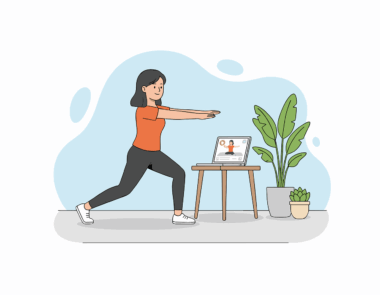
To enhance endurance through calisthenics, engaging in specific exercises is necessary. Start with large muscle groups, focusing on exercises like squats, lunges, and push-ups. Each of these movements engages multiple muscles, stimulating endurance and integrating your core for stability. Squats, in particular, are effective for developing posterior chain strength, which is essential for overall fitness. For a diversified routine, incorporate push-ups to target the chest, shoulders, and triceps while building upper body endurance. As your endurance improves, try different push-up variations to challenge yourself further. Consider including dynamic movements like burpees, which involve a squat, push-up, and jump for a complete body workout and cardiovascular conditioning. Moreover, pull-ups offer profound benefits for upper body strength and endurance, targeting the back and arms. Aim for 2-3 sets of each exercise, gradually increasing reps as you progress. Give your muscles time to recover by alternating muscle groups during workouts. Calisthenics isn’t only about strength but also about functional movement patterns, enhancing your ability to execute daily tasks more efficiently, ultimately improving both fitness and well-being.
Setting fitness goals is essential for any successful workout regimen, particularly for improving calisthenics endurance. Start by defining clear, measurable, and achievable objectives that suit your fitness level. Whether you aim to accomplish multiple rounds of an exercise circuit or increase your repetitions of specific movements, tracking daily progress can provide you with motivation. A good strategy is to ensure that you regularly reassess goals. As you become stronger and more proficient, revisit your targets to adapt your workout plan accordingly. Creating short-term and long-term goals can also be beneficial for sustained motivation. For example, focus on completing a certain number of repetitions in the first week and gradually increasing the target by the end of the month. Celebrating small milestones will encourage you to stay committed. Consider using a journal or app to log your workouts and performance metrics. Visualizing your achievements will help reinforce your motivation levels, driving you to push your limits further. Remember, building endurance through calisthenics takes time and dedication, so be patient and stay determined throughout the process.
Incorporating Cardio into Calisthenics
Incorporating cardiovascular elements into your calisthenics routine is vital for building endurance. While bodyweight exercises develop strength, adding cardio workouts enhances stamina, enabling longer workout sessions without fatigue. High-intensity interval training (HIIT) is an excellent method to combine strength training and cardio effectively. Try alternating between calisthenics exercises and short bursts of cardio, like jumping jacks or high knees, for a dynamic workout. This combination maximizes calorie burning, improves endurance, and boosts overall fitness levels. Additionally, consider incorporating steady-state cardio exercises like jogging, biking, or jumping rope into your weekly routine. Engaging in these sustained activities alongside calisthenics will help improve your cardiovascular system’s efficiency, allowing you to endure longer and more intense workouts. Set aside specific days for cardio-based sessions while ensuring all muscle groups are adequately targeted during your calisthenics days. Pairing different styles can keep workouts fresh and exciting, which tends to enhance adherence to exercise. Challenges like skipping rope for extended periods will also improve footwork and agility, benefiting overall movement quality in your calisthenics routines.
Nutrition plays a pivotal role in enhancing your endurance for calisthenics workouts at home. To support your training efforts, consume a balanced diet rich in macronutrients and micronutrients. Foods packed with carbohydrates supply the necessary energy to fuel intense workouts. Incorporating complex carbohydrates such as brown rice, quinoa, and whole-grain bread into your meals will provide prolonged energy release. Additionally, protein is crucial for muscle recovery and growth, so include lean meats, dairy, legumes, and nuts in your diet. Consuming adequate healthy fats from sources like avocados, olive oil, and fatty fish will also help sustain energy levels. Hydration is equally important; it prevents fatigue during workouts and aids recovery. Aim to drink plenty of water throughout the day, and consider electrolyte supplements if performing longer exercises or training in hot environments. A well-nourished body performs better, which impacts endurance positively. Eating a balanced meal around workout times can optimize your energy and performance. Consider preparing your meals ahead of time to ensure compliance with your dietary goals, making it easier to stay committed to your nutritional needs.
Recovery Strategies for Endurance Improvement
Recovery is a crucial component of any training program and impacts endurance improvement significantly. Implementing proper recovery strategies facilitates muscle repair, promotes growth, and prepares your body for subsequent workouts. Priority should be given to rest periods following intense calisthenics sessions, and ideally, these periods should include adequate sleep and relaxation. Incorporating stretching or yoga into your routine can enhance flexibility, reduce soreness, and promote overall relaxation. Focus on both static and dynamic stretches to ensure comprehensive muscle coverage. Additionally, consider practicing active recovery methods, such as foam rolling or gentle walks, to keep blood flowing and assist in muscle recovery after demanding sessions. Nutritional strategies post-workout are equally important; consuming a balanced snack of protein and carbohydrates shortly after intense workouts can expedite recovery. Hydrate adequately to replenish lost fluids and support overall cellular function. Pay attention to any signs of overtraining, including fatigue and persistent soreness, as these may hinder your endurance progress. By prioritizing recovery, you ensure that your body efficiently adapts and responds to your training efforts, leading to sustainable endurance increases.
Maintaining motivation over time can be challenging in your journey toward improving calisthenics endurance at home. One effective way to stay engaged is to regularly switch up your routines. A monotonous workout can lead to boredom and decreased enthusiasm for training. Experiment with different challenges, such as completing bodyweight exercises in various settings or with friends. Joining online communities focused on calisthenics can provide support and an avenue for sharing progress, tips, and encouragement. Be accountable to yourself or a workout partner, fostering a connection that encourages commitment. Setting clear milestones as well can promote further engagement; recognizing and celebrating achievements on your path enhances enjoyment. Furthermore, don’t hesitate to reward yourself upon reaching a fitness goal. Motivation will naturally fluctuate, and adapting your workouts to keep them exciting will ensure you remain on track. Additionally, consider learning new calisthenics skills, such as handstands or muscle-ups, to fuel motivation. Embrace the uniqueness of your training journey, and allow the rhythm of progress to guide you. Emphasizing discipline while enjoying the process ultimately leads to successful endurance improvement through calisthenics.