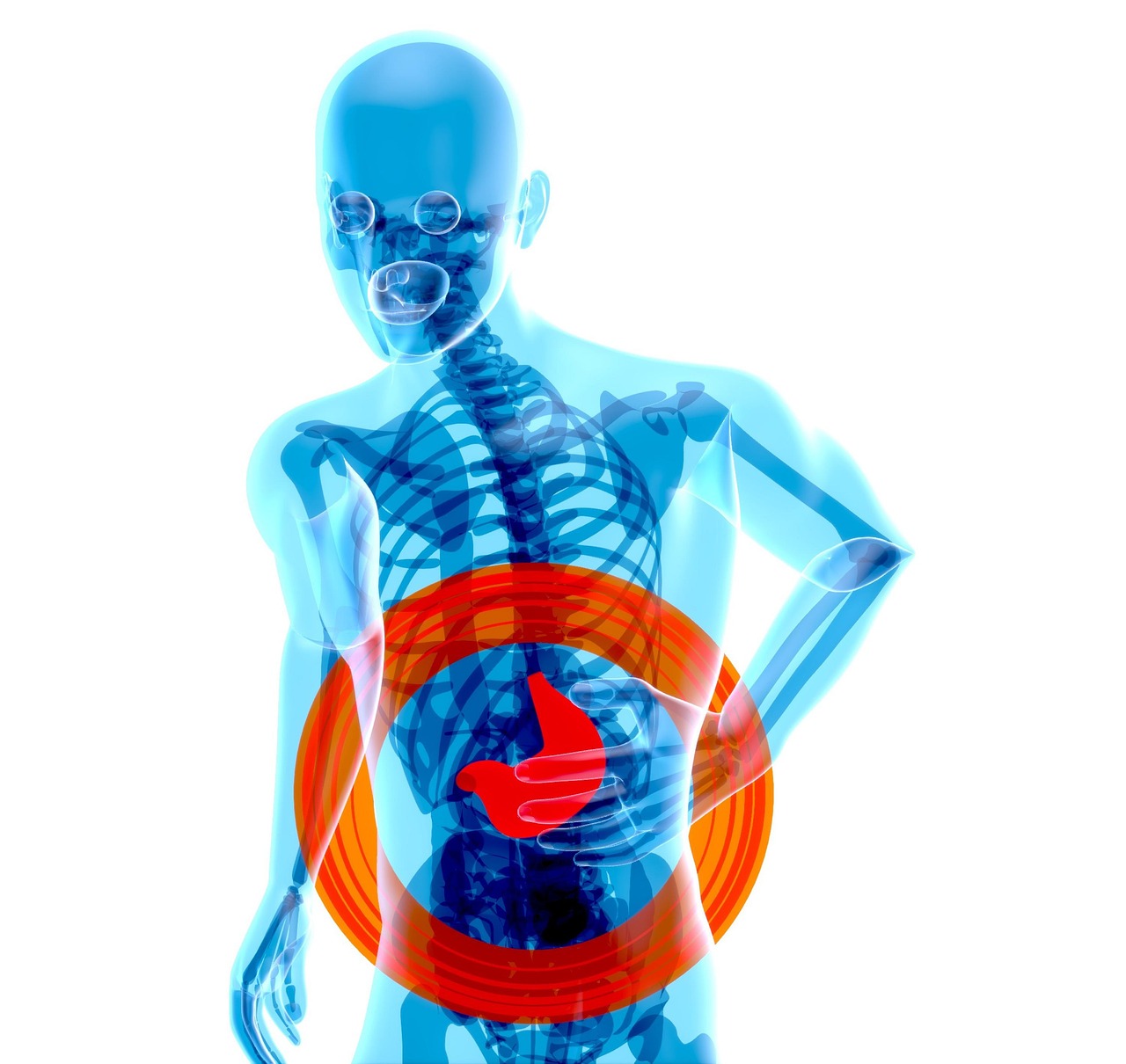

Digestive Enzymes: Myth vs. Reality in Sports Supplementation
Digestive enzymes play a crucial role in breaking down food particles, aiding in nutrient absorption. For athletes and sports enthusiasts, understanding these enzymes is essential. Many believe that taking digestive enzyme supplements can enhance performance. However, the reality is more complex. These enzymes, produced naturally by the body, help digest carbohydrates, proteins, and fats. The interest in enzyme supplementation has surged, driven by claims that they can improve gut health and overall digestion. Skepticism arises as some argue that certain enzymes may not survive digestion or may not work as intended. To comprehend the effects, research is essential. Athletes should examine personal needs and health conditions before using digestive enzymes. Consulting with a healthcare professional is wise. The effectiveness of supplementation may vary significantly among individuals. Evaluating both myths and facts about digestive enzymes is vital for making informed decisions. Are they truly beneficial for your performance, or are they merely a trendy addition to your supplement stack? Understanding these elements can help clarify whether digestive enzymes deserve a spot in your sports nutrition regimen. Clear insights are crucial as they can impact overall health in various significant ways.
Many athletes assume that digestive enzymes are a guaranteed method for maximizing nutrient absorption. This assumption, while understandable, lacks thorough scientific backing. Supplements containing enzymes like protease, lipase, and amylase claim to assist with the digestion of proteins, fats, and carbohydrates, respectively. Yet, the human body is adept at producing these enzymes naturally. Researchers suggest that an overstated reliance on supplements can lead to misconceptions about dietary approaches. Instead, focusing on whole foods with rich enzyme content is vital. Fruits such as pineapples and papayas provide natural enzymes that assist digestion and can be integrated easily into your diet. Some studies indicate that enzyme supplementation may provide relief for individuals with specific digestive disorders rather than benefiting all athletes indiscriminately. A tailored approach to nutrition can often yield more significant performance enhancements. Enhancing digestion through food diversity may be a more effective strategy than relying purely on enzyme supplements. Ultimately, athletes should prioritize well-balanced diets intended to meet energy requirements, thus promoting optimal performance without undue reliance on digestive aids. Taking the time to create a diverse meal plan allows for improved energy availability, ultimately enhancing training outcomes.
The Role of Digestive Enzymes in Athletic Performance
A common belief in sports nutrition circles is that digestive enzymes can enhance athletic performance through better nutrient absorption. Some proponents claim that enzymes like lactase, which aids in lactose digestion, can be crucial for lactose-intolerant athletes. They could potentially alleviate discomfort and create a more efficient fueling process. However, scientific evidence supporting their performance benefits remains inconclusive. Many athletes experience natural digestive enzyme production, which typically meets their bodily needs. Overemphasis on supplementation can lead to misconceptions about nutrition. Focusing primarily on optimal intake from whole foods rather than relying on enzymes might be more beneficial. Research indicates that a balanced approach, prioritizing whole foods such as vegetables, fruits, nuts, and seeds, leads to better overall health. Integrating these foods naturally into one’s diet promotes proper digestion without reliance on pills or supplements. Broadening your dietary perspective ensures nutritional needs are met while enhancing overall body function. A dietary focus on nutrient-dense foods creates a sound foundation for athletic sustenance. This strategy allows athletes to benefit from whole food sources, resulting in better long-term performance outcomes.
A glaring myth surrounding digestive enzymes is the belief that they can remedy various gastrointestinal issues entirely. While they can provide support, it’s crucial to understand they are not a cure-all solution. Specific digestive disorders may benefit from supplements, but for most people, the body is capable of self-regulating enzyme production. Supplements could help certain individuals facing issues such as bloating or malabsorption. Despite these potential benefits, absolute reliance on supplementation may mask underlying health issues that should be addressed Holistically emphasizing dietary sources of enzymes remains essential. Many foods contain natural enzymes, which can contribute significantly to healthy digestion. Post-workout, consider consuming a meal rich in fruits and vegetables, ensuring your body receives beneficial nutrients without dependence on pills. Engaging with the basics of good nutrition can yield better digestive health outcomes over time. Athletes should strive to listen to their bodies, addressing concerns responsibly and seeking professional guidance when needed. Finding a balance of supplements and whole foods allows for improved overall health, ensuring that performance is optimized without jeopardizing digestive integrity. Understanding myths about digestive enzymes can help prevent misinformed choices that may harm your health.
Digestive Enzyme Sources in Nutrition
The natural sources of digestive enzymes often come from unexpected areas. Most whole foods contain enzymes that can help aid healthy digestion. For instance, pineapple contains bromelain, which aids protein digestion, while papaya’s papain also offers similar benefits. Incorporating these foods into your meals provides a delightful, nutritious approach to achieving better digestion naturally. Additionally, fermented foods like yogurt and sauerkraut are rich in natural enzymes and probiotics, enhancing overall gut health. Probiotics play a strong role in digestive health by promoting a balanced gut microbiome. While supplements may have some value, the benefits of whole foods are often underestimated. Diverse and balanced nutrition is typically the best foundation for athletic performance. Implementing a diet rich in fruits, vegetables, and whole grains aids both digestion and overall health. Avoiding excessive reliance on processed supplements can minimize costs while enhancing nutrient absorption. A holistic approach encourages athletes to explore dietary choices collaboratively with healthcare professionals. Developing a rich diet that nurtures gut health promotes sustainable performance and mental well-being. Ultimately, a focus on whole foods is essential for comprehensive health and successful athletic performance.
Moving beyond the misconceptions, it’s essential to address how digestive enzymes fit within a broader sports nutrition context. Supplements should never replace core nutritional strategies; they ought to complement a solid foundation of whole foods to provide maximum benefits. Athletes benefit significantly from structuring their meal plans, focusing on nutrient timing and macronutrient balance. Tailoring meals around activities ensures energy requirements are met optimally. Consequently, performance improvements can often result from effective nutritional planning. However, when aiming to enhance digestion, considering the timing of enzyme intake relative to food consumption plays a critical role. Taking digestive enzyme supplements immediately before meals can help optimize their effects on food breakdown. Additionally, understanding one’s unique needs provides insight into dietary choices. Sometimes addressing lifestyle factors like stress can also yield significant benefits on overall digestion and absorption. Creating effective and personalized nutrition strategies can be accomplished through trial and evaluation. Protecting digestive health ensures that athletes achieve maximum performance without unnecessary disruptions. Therefore, clear insights into the integration of digestive enzymes with nutrition are vital for obtaining sustained, improving athletic outcomes.
Conclusion: The Future of Digestive Enzymes in Sports Nutrition
In summary, while digestive enzymes have garnered much attention, their value in sports supplementation warrants careful consideration. Too many myths cloud understanding, often leading athletes to explore incorrect paths for performance enhancement. The best strategies continue to revolve around holistic approaches to nutrition that prioritize whole foods over dependence on supplements alone. Understanding personal digestive health and nutrient needs provides a clearer framework for athletes to excel in their pursuits. While some might find enzyme supplements helpful, they should not be viewed as miracles. Nutritional explorations should focus on balance, addressing both dietary needs and digestion for optimum health. Athletes must prioritize learning their bodies’ mechanisms to improve performance sustainably. The evolution of sports nutrition will likely continue to unfold, emphasizing the significance of maintaining proper digestive health. Integrating knowledge about enzymes while focusing on whole food sources creates a more refined understanding of nutrition. Just as athletes strive for peak performance, they must be open to adapting nutrition regimens that embrace fundamental dietary wisdom. Ultimately, pursuing optimal digestive health remains a cornerstone for enhancing athletic performance, offering the most promising future in sports nutrition.
To complement digestive health, certain lifestyle practices supplement a balanced diet. Regular exercise, sleep hygiene, and stress management are vital components that can contribute significantly to overall digestive well-being. Each area plays a role in maintaining a healthy gut environment essential for nutrient absorption. Collaborating with professionals allows athletes to create individualized strategies for optimizing their nutrition plans. Comprehensive health should always be a priority, ensuring athletes empower themselves with knowledge and wise choices.