
Understanding Communication in Sports Teams
Communication is a fundamental aspect of any sports team, especially in mixed-gender teams where dynamics can be complex. Effective communication fosters collaboration and enhances performance. One key strategy involves actively listening to team members, which conveys respect and builds trust. Athletes should practice clarifying messages to ensure others understand their intent. Non-verbal cues, such as body language, play a crucial role in expressing feelings and attitudes, impacting team chemistry. Being aware of each other’s communication styles promotes inclusivity and strengthens relationships among teammates. Establishing clear communication protocols can reduce misunderstandings and streamline interactions during practices and competitions. Utilizing team meetings to discuss concerns and strategies encourages open dialogue and helps everyone feel valued. Adding icebreaker activities can also aid in improving personal connections. This approach can alleviate tension and promote a healthier team environment. Regular feedback can motivate athletes and guide them toward improvement. Finally, it’s essential to celebrate successes together, as this reinforces team unity. Overall, prioritizing effective communication strategies is vital for mixed-gender teams to thrive and achieve shared goals.
Establishing Trust Within the Team
Trust is the cornerstone of effective communication in sports teams. Without trust, team members may hesitate to express their thoughts and concerns, leading to misunderstandings and conflict. Encouraging an environment where athletes feel safe to voice their opinions is essential for success. One method to build trust involves promoting vulnerability among team members, where they share personal experiences and challenges. Team-building exercises can facilitate bonding and deepen relationships, fostering a supportive atmosphere. Celebrating individual strengths and contributions enhances self-esteem and encourages open communication. Furthermore, consistent praise and constructive feedback from coaches and teammates reinforce trust and motivate athletes to express themselves freely. Developing empathy within the team is equally important; understanding each other’s perspectives helps to bridge communication gaps and minimizes conflicts. Athletes should engage in role-playing scenarios that require them to see issues from different viewpoints, enhancing their ability to navigate mixed-gender dynamics. An inclusive atmosphere where all voices are valued strengthens team cohesion and collaboration. This commitment to building trust enriches relationships and, in turn, leads to improved athletic performance and a united front during competitions.
Facilitating Effective Team Meetings
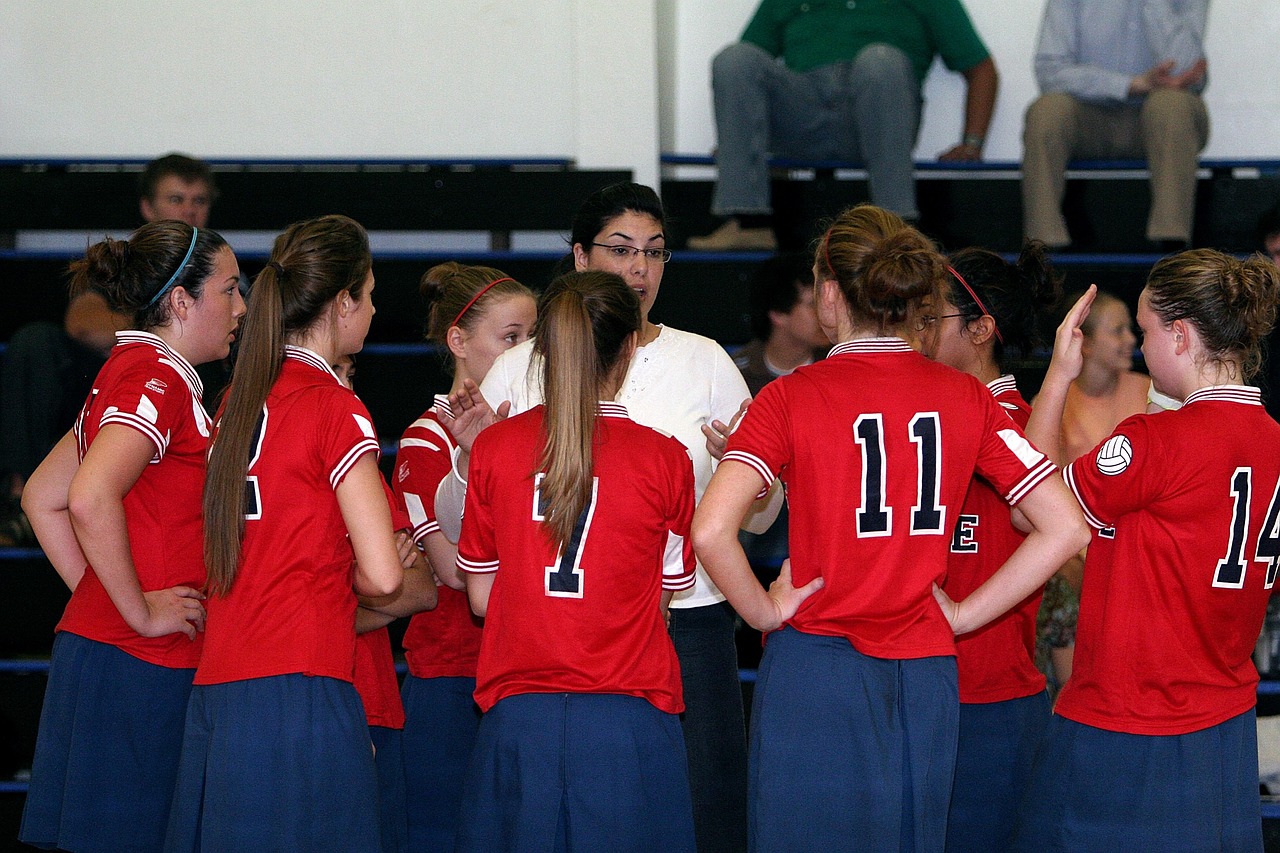
Conducting regular team meetings is essential for improving communication within mixed-gender teams. These meetings should serve as platforms for discussing upcoming events, strategies, and any arising issues. Setting clear agendas prior to meetings ensures a focused discussion, allowing athletes to prepare effectively. Encouraging participation from all members during these meetings is crucial, as it promotes shared ownership of the team’s goals. Establishing ground rules or norms for communication can also enhance meeting effectiveness; for example, ensuring each person has the opportunity to speak without interruption conveys respect. To foster engagement, team leaders can implement brainstorming sessions where ideas flow freely, encouraging creativity and collaboration. Additionally, employing visual aids, such as charts or videos, can help convey complex information in an easily digestible manner. Follow-up after meetings is critical as well; summarizing key discussions and action items in a follow-up email helps reinforce concepts and maintain accountability. Creating an open-door policy where athletes feel comfortable addressing their concerns outside of formal settings further strengthens communication. This collaborative approach fosters deeper connections, enabling teammates to align on shared objectives.
Embracing Diversity in Communication Styles
In mixed-gender sports teams, members may possess unique communication styles influenced by cultural backgrounds, personal experiences, and gender perspectives. Embracing this diversity is key to fostering effective communication. To achieve this, athletes should engage in learning about each other’s preferences and adapting their communication styles accordingly. Such adaptability helps create a more cohesive team atmosphere and reduces potential friction. Additionally, introducing team workshops focusing on communication can enlighten members about cultural differences and how they might affect interactions. Training with experienced facilitators can provide valuable insights into gender dynamics and interpersonal skills. It’s important for athletes to discuss their preferred methods of communication openly, whether they favor directness or subtlety. Practicing active listening and patience can also play a significant role in bridging communication gaps. Furthermore, encouraging the use of inclusive language can create a sense of belonging for all athletes. Receiving peer feedback on communication styles and their impact allows continuous improvement. Ultimately, valuing diversity in communication not only benefits interpersonal relationships but also enhances collective performance, leading to greater success in competition.
Implementing Feedback Mechanisms
Establishing effective feedback mechanisms is vital for fostering communication in mixed-gender sports teams. Regular feedback encourages team members to share their thoughts on performance and interpersonal interactions. Athletes should feel comfortable giving and receiving constructive feedback, as it promotes growth and understanding. One strategy is to incorporate structured feedback sessions, where athletes can provide insights on practices and games. This approach allows for open dialogue and enables athletes to express their experiences. It’s beneficial to encourage a culture of positive reinforcement in feedback, highlighting strengths while addressing areas for improvement. Coaches can facilitate this process by modeling effective feedback techniques and encouraging athletes to communicate respectfully. Another innovative approach involves peer evaluations, allowing athletes to assess each other’s performance and communication styles on an ongoing basis. This technique promotes accountability and enhances interpersonal dynamics within the team. Additionally, implementing anonymous feedback methods can ensure everyone’s voice is heard without discomfort. Ensuring that feedback is constructive, actionable, and respectful will promote an environment where team members feel valued and motivated to adapt and grow together.
Using Technology to Enhance Communication
In today’s digital age, technology plays a significant role in enhancing communication within sports teams, including mixed-gender groups. Utilizing group messaging platforms enables real-time communication, fostering collaboration even outside practices. This accessibility allows team members to share relevant information, coordinate schedules, and exchange encouragement seamlessly. Video conferencing tools can facilitate virtual meetings, especially useful for teams training remotely or trying to incorporate members with varying commitments. Additionally, video analysis apps provide an opportunity to discuss performances together, allowing feedback based on visual evidence. Emphasizing transparency in communication through technology creates an inclusive environment. Social media platforms can also be leveraged to foster team spirit, share achievements, and engage with fans. However, it’s essential to maintain boundaries around technology to prevent misunderstandings and avoid over-reliance on digital communication. Establishing clear protocols on when and how to communicate can help prevent confusion. Encouraging direct communication during practices and events reinforces personal interactions, essential for building strong relationships. Contracts or agreements detailing communication expectations among team members can further boost accountability. Embracing technology effectively can significantly enhance team communication dynamics and camaraderie.
Promoting Emotional Intelligence Among Team Members
Emotional intelligence is a crucial skill for athletes, especially within mixed-gender sports teams, where understanding emotions enhances communication. Engaging in emotional intelligence training can help athletes recognize and manage their emotions, thereby improving their interactions with teammates. Workshops focusing on empathy, self-regulation, and social awareness empower team members to navigate complex social dynamics effectively. Understanding one’s emotions allows teammates to communicate more effectively, promoting open dialogue around feelings and reactions during practices or competitions. Furthermore, cultivating emotional intelligence fosters a culture of support, as athletes become more attuned to each other’s challenges and needs. Role-playing exercises can enhance empathy, offering insight into how one’s actions impact others. Regular discussions regarding emotional wellness can also encourage athletes to share their feelings in a safe space. By creating supportive interactions and engaging in active listening, team members can cultivate deeper connections. Coaches should also model emotional intelligence, demonstrating how to manage stress and express emotions healthily. Ultimately, promoting emotional intelligence among athletes significantly transforms communication and strengthens team unity, enhancing overall performance.
Fostering a Culture of Inclusivity
Creating a culture of inclusivity is paramount for fostering open communication in mixed-gender sports teams. Emphasizing the importance of inclusion sends a clear message that every team member’s voice matters. Implementing policies and practices that celebrate diversity can enhance team coherence. One effective method of fostering inclusivity is to involve all team members in decision-making processes, ensuring their concerns and ideas are valued. Hosting team-building events focused on relationship building cultivates a sense of belonging among athletes. Moreover, addressing biases in communication is essential; awareness training can educate team members on different perspectives and potential impacts of insensitive comments. Creating an environment where team members feel valued and respected translates into improved communication. Encouraging athletes to share their unique experiences encourages empathy and deeper understanding among teammates. Incorporating mentorship opportunities allows for knowledge exchange between more and less experienced athletes. Regularly evaluating the team’s communication practices and soliciting feedback helps ensure inclusivity is sustained. Ultimately, successfully fostering a culture of inclusivity leads to improved relationships, greater collaboration, and enhanced performance both on and off the field.