
Using Cognitive Behavioral Therapy to Build Healthy Exercise Habits
Cognitive Behavioral Therapy (CBT) is an effective approach to fostering healthier exercise habits. Understanding how the mind influences physical activity can be transformative for individuals seeking long-term changes. CBT helps to identify and challenge negative thoughts about exercise, which can often act as barriers to getting started or staying consistent. By reshaping these thought patterns, individuals can cultivate a more positive mindset toward exercise. Furthermore, CBT promotes self-assessment, encouraging individuals to reflect on their motivations and establish realistic, achievable goals associated with exercise. A structured approach like CBT allows for the gradual integration of physical activity into one’s daily routine. By setting specific, measurable, attainable, relevant, and time-bound (SMART) goals, individuals find it easier to remain focused and motivated. Incorporating mindfulness techniques within CBT can also enhance awareness of physical sensations during exercise, creating a deeper connection to the body. Consequently, this connection can diminish feelings of discomfort and fatigue, allowing for more enjoyable workouts. This article delves into practical CBT strategies that can be applied to improve exercise habits effectively.
A central technique of CBT is cognitive restructuring, which encourages rethinking negative beliefs about exercise into positive, empowering affirmations. Individuals often believe they lack the time, energy, or necessary skills for effective exercise, which may hinder their progress. By challenging these beliefs, one can create new narratives that inspire action. For instance, replacing thoughts like “I can’t find time for the gym” with something more affirmative, such as “I can prioritize a workout that fits into my schedule,” can shift focus toward solutions rather than barriers. Additionally, engaging in cognitive behavioral techniques can elevate self-efficacy, which is crucial for overcoming obstacles in maintaining consistent exercise routines. Practicing self-compassion is another essential component of CBT that can improve exercise habits. When setbacks occur, such as missing workouts, individuals are encouraged to respond with understanding rather than criticism. This shift fosters resilience and enhances the motivation to return to healthy habits. By applying these strategies through CBT, individuals become equipped to navigate challenges and embrace physical activity as a fulfilling part of their lives. Understanding these dynamics is key to cultivating success and consistency.
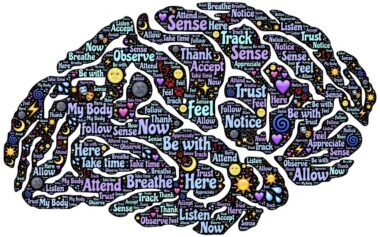
Incorporating mindfulness into CBT practices can reinforce the benefits of exercise. Mindfulness enhances awareness of thoughts, feelings, and bodily responses during physical activity. Being present while exercising may diminish anxiety and promote enjoyment. For example, individuals participating in yoga or meditation often report heightened satisfaction in their physical activities. This mindfulness practice has the potential to shift one’s perception of exercise from a chore to an enjoyable experience. When exercise becomes something pleasant or fulfilling, adherence to routines often improves. Furthermore, mindfulness encourages a non-judgmental approach, allowing individuals to appreciate their bodies for what they can do rather than focusing on appearance. This appreciation can foster a more holistic view of health, emphasizing overall well-being and balance instead of mere aesthetic goals. CBT practices can incorporate mindfulness through exercises such as breath-focused activities, guided imagery, and reflective journaling after workouts. By documenting personal experiences and emotions related to exercise, individuals gain insights that strengthen their mind-body connection. This connection is essential for forming lasting habits. Therefore, blending mindfulness with CBT offers a profound way to enhance exercise motivation.
Goal Setting and Progress Tracking
Effective goal setting is a critical component of any behavior change, and CBT offers a framework for individuals to set achievable exercise goals. A pivotal aspect of this process is the establishment of short-term and long-term objectives. Short-term goals provide immediate rewards, thereby boosting motivation and fostering a sense of accomplishment. Long-term goals, however, help provide direction and a broader vision for one’s fitness journey. Additionally, tracking progress is essential to maintain motivation and reinforce commitment. Many choose to use fitness apps, journals, or support groups to remain accountable throughout their journey. This tracking can reveal insights about patterns, enabling individuals to adjust their strategies as necessary. Graphing improvements, whether in strength, endurance, or overall well-being, can be incredibly motivating. Celebrating small victories along the way plays a significant role in maintaining an ongoing commitment to exercise. Positive affirmations and rewards for achieving milestones help reinforce positive behavior patterns. As individuals recognize their progress, they become increasingly invested in their health journey. In summary, goal setting and ongoing assessment from the CBT framework facilitate lasting change in exercise habits.
Social support is another crucial factor that amplifies the effectiveness of CBT in establishing exercise habits. Engaging with friends, family, or community members can provide motivation, encouragement, and accountability. Group exercise classes or workout partners share similar goals, fostering a sense of belonging and positivity. CBT encourages individuals to identify supportive relationships and engage with others on their fitness journey. Having a support system can help individuals overcome challenges during setbacks and navigate their fitness goals more effectively. Moreover, sharing progress with others nurtures a sense of community, instilling further motivation to uphold healthy practices. Friends or family members can track progress together, celebrate achievements, and inspire one another to commit to exercise. This reciprocal growth facilitates emotional resilience and combats feelings of isolation. Individuals engaging in group activities also find that the social aspect of exercise can introduce an element of fun and enjoyment, which often results in more consistent participation. Ultimately, the interplay between CBT strategies and social support networks can foster a comprehensive environment conducive to healthy exercise habits that last.
Lastly, the integration of behavioral activation strategies within CBT can lead to more profound changes regarding exercise habits. Behavioral activation encourages individuals to engage in activities that promote positive emotions. In the realm of exercise, this means participating in activities one enjoys, rather than forcing oneself into routines that feel burdensome. Identifying favorite workouts can serve as a primary stepping stone for sustainable exercise habits. CBT suggests experimenting with various forms of physical activity until individual preferences are discovered. This exploration process not only makes exercise enjoyable but also enhances motivation. Furthermore, valuing personal preferences reinforces commitment and consistency with physical activities. When exercise routines align with individuals’ interests, the likelihood of long-term adherence increases. Additionally, understanding the behavioral aspects of exercise helps individuals identify specific triggers that lead to physical activity versus inactivity. CBT empowers individuals to create action plans that align with their motivations and desired outcomes efficiently. Therefore, recognizing the role of enjoyment in exercise through behavioral activation significantly contributes to the development of sustainable exercise habits.
In conclusion, the mind-body connection is vital in building and sustaining exercise habits through Cognitive Behavioral Therapy. By addressing thought patterns, promoting mindfulness, prioritizing goal setting, and fostering social connections, individuals can cultivate a positive relationship with exercise. Moreover, integrating behavioral activation strategies encourages the enjoyment of physical activity, making it an integral part of a healthier lifestyle. The synergy of these CBT techniques not only promotes immediate engagement in exercise but also fosters long-term commitment and benefits to mental and physical well-being. Embracing the practices outlined in this article can empower individuals on their fitness journeys and lead to a more balanced life. By adopting a holistic approach that considers both the mind and body, success becomes attainable. Thus, applying CBT in building healthy exercise habits offers effective tools for individuals seeking transformative change. With motivation and consistency at the core of these strategies, there lies a promising path forward toward healthier, more fulfilling lives.
Through the practice of these methods outlined, individuals can create the foundation for a sustainable exercise practice. Building a connection between thoughts, feelings, and actions fosters a deeper understanding of personal motivations. This connection is essential for creating a positive feedback loop integrating both mental and physical health into daily life. As people delve into the principles of CBT, they find opportunities to reshape their narratives around exercise. Understanding that exercise is not merely a chore but a path toward overall well-being can drastically alter perspectives. CBT offers practical tools that transcend simple advice, instead promoting meaningful change from the inside. As a result, individuals become better equipped to navigate the intricacies of developing healthy habits. The journey towards consistent exercise culminates into a transformative process embracing self-awareness, compassion, and resilience. With the commitment to applying CBT techniques, individuals take vital steps towards achieving their fitness aspirations. As a final note, the enduring benefits of these approaches extend far beyond fitness, impacting overall quality of life significantly.