
Understanding Injury Biomechanics
Injury biomechanics is a vital discipline that examines the physical forces experienced by the body when trauma occurs. The study focuses on how these forces can lead to injuries and how to mitigate them. Understanding the mechanisms behind injuries is crucial for developing effective preventive measures. It combines principles from various fields, including physics, engineering, and medicine. By analyzing how forces interact with biological tissues, researchers can determine not only how injuries occur but also the best ways to treat them. Whether it’s a sports-related injury or an accident, injury biomechanics offers insights into the causative factors that lead to bodily harm. This field of study uses tools such as computer simulations, cadaver studies, and clinical reviews to gather data. By identifying high-risk activities or movements, effective strategies can be developed for training and rehabilitation. Through a comprehensive approach to injury biomechanics, we can foster a deeper understanding of the optimal conditions for physical activity, as well as the types of forces that can result in damage. Ultimately, effective application of biomechanics ensures safer environments for participants in various activities.
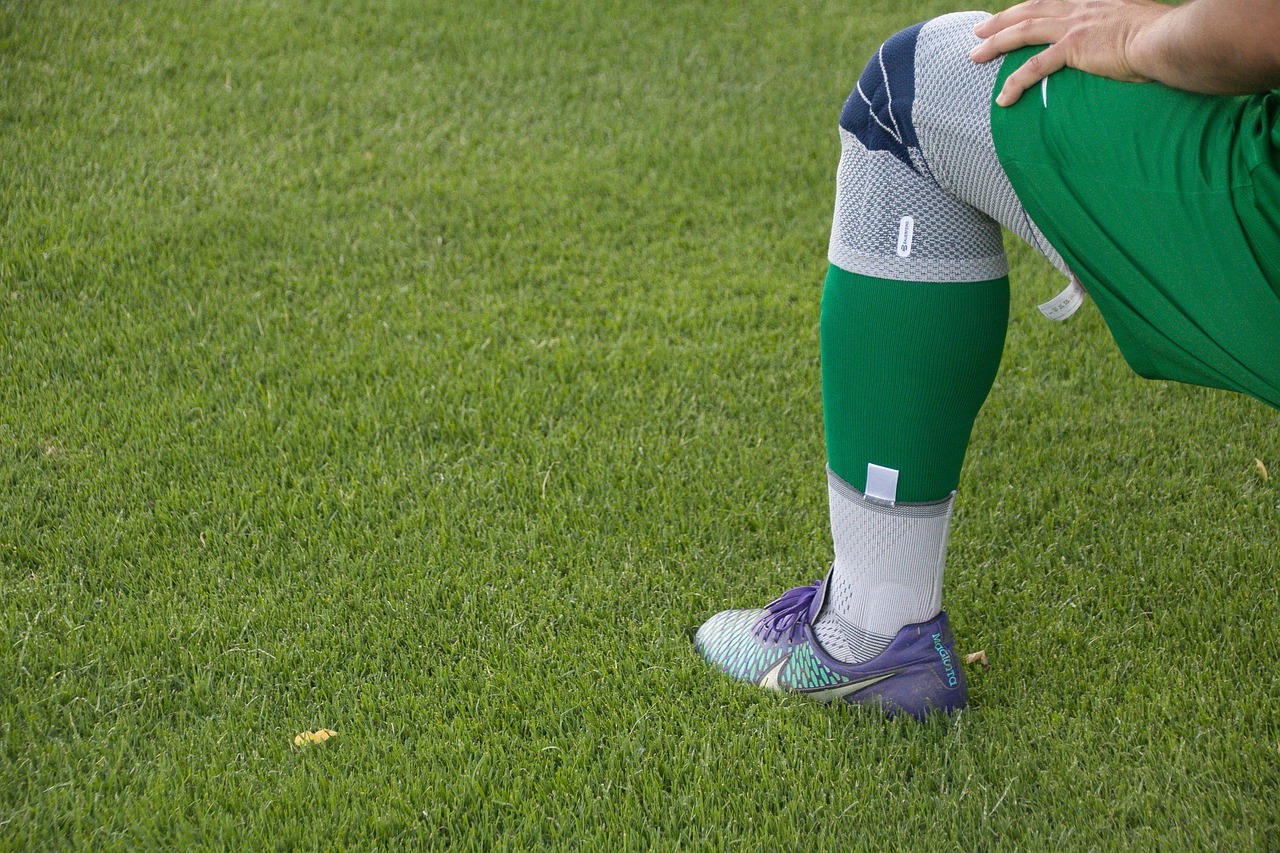
Injuries in sports remain a significant concern, and understanding their biomechanics is essential for athletes and coaches alike. Mechanics involved in different sports vary significantly depending on the actions performed and the type of equipment used. For example, a football player’s injury mechanics differ markedly from those of a gymnast. Analyzing these differences provides valuable insights into which sports present higher risks of injury. Studies aim to identify specific movements associated with injuries, such as missteps, overshooting, or improper landings. Biomechanical analysis helps develop tailored training programs that enhance performance while minimizing injury risk. For instance, specific strength and conditioning exercises can be designed based on individual biomechanical profiles to enhance resilience against injuries. Comprehensive evaluations of an athlete’s biomechanics can reveal patterns that might predispose them to certain types of injuries. Utilizing advanced technologies such as motion capture and wearable sensors, sport scientists can assess real-time performance and provide immediate feedback. This proactive approach enables the adaptation and improvement of athlete performance while shedding light on suitable interventions to prevent potential injuries in high-risk activity. Such informed strategies play a significant role in athlete longevity and overall physical health.
The Role of Impact Forces
Impact forces are among the primary contributors to injuries in various activities, providing a critical area of focus within injury biomechanics. These forces occur when the body experiences sudden deceleration or collision, leading to stress on joints and tissues. Understanding how impact forces affect the human body can guide the creation of safety equipment such as helmets, padding, or specialized footwear. For example, designing a football helmet involves calculating the peak forces during impacts to ensure adequate protection for players. When the impact force exceeds a threshold, injuries such as concussions or fractures can occur. By analyzing these forces through biomechanical models, researchers can identify the risks involved and recommend modifications in technique or training to reduce injury occurrences. Similarly, various sports utilize advanced technology to study impact forces during activities, such as running or jumping. This data allows biomechanists to develop improved strategies to protect athletes during training and competition. Understanding the nuances of how impact forces can lead to injury not only aids in prevention but also enhances recovery protocols and rehabilitation strategies post-injury. Thus, it is critical to address impact forces in understanding sports injuries.
In addition to impact forces, rotational forces also play a significant role in injury biomechanics. Rotational forces can be particularly detrimental, especially in contact sports where a rapid shift in body position occurs. Injuries such as ACL tears or shoulder dislocations often stem from twisting movements that subject ligaments and joints to excessive strain. Thus, understanding the mechanics behind these rotational injuries is vital for developing prevention techniques. Various studies have explored how different body positions and movements can influence the risk of such injuries. By utilizing biomechanics analysis, researchers have been able to pinpoint the angles and motions that contribute to high-stress situations. Techniques such as agility training or balance exercises can be integrated into athletes’ routines to mitigate these risks effectively. Additionally, understanding how to land or pivot correctly when engaged in sports can significantly reduce the potential for injury. Continuous research in this area provides invaluable insight into the subtleties of rehabilitation, helping athletes recover more effectively from injuries caused by rotational forces. As such, biomechanical analysis can be an essential asset in the fight against sports injuries, particularly those involving rotation.
Current Trends in Injury Prevention
As the understanding of biomechanics evolves, so do the techniques for injury prevention. Incorporating biomechanics into training programs has become a holistic approach to ensuring athletic safety. By employing advanced tools, such as 3D motion capture systems and force plates, coaches can analyze athletes’ movement patterns. This data enables practitioners to refine training regimens, ensuring they are tailored to the individual’s biomechanical needs. Furthermore, education surrounding injury risks is crucial for athletes, coaches, and healthcare providers. By informing all stakeholders about the biomechanical factors contributing to injuries, a culture of prevention can be built. One trend that has gained momentum is the integration of injury risk assessments into sports programs, allowing for proactive identification of at-risk athletes. In addition, collaboration between biomechanics researchers and sport professionals leads to the development of innovative protective gear. Customized equipment based on individual biomechanics maximizes protection while promoting optimal performance. The ongoing emphasis on research in biomechanics is pivotal for creating evidence-based interventions. This proactive stance not only aids in minimizing injuries but also ensures longevity in an athlete’s career. Overall, current trends underscore the importance of a biomechanically informed approach.
Injuries are not exclusive to just athletes; non-professionals are equally susceptible. Daily activities, such as lifting objects or participating in recreational sports, also pose risks for injuries. Therefore, understanding the fundamentals of injury biomechanics is essential for everyone. For instance, improper lifting techniques can lead to chronic back injuries due to strain on specific muscle groups or spinal structures. Educating the general population on proper movement mechanics can significantly reduce these risks. Resources such as workshops, online courses, and informational guides can help individuals learn the right techniques. Additionally, implementing warm-up routines and cooldowns has proved beneficial in reducing injury likelihood in various activities. Incorporating proprioceptive training to enhance balance and coordination can also be helpful. Schools and community organizations play a crucial role by fostering an environment where safety and injury prevention are prioritized. Ultimately, creating awareness about injury biomechanics leads to responsible participation in physical activities. A solid understanding of biomechanics can empower individuals to prevent injuries before they occur while actively promoting an active lifestyle. Thus, the integration of biomechanics into daily life enhances safety, enjoyment, and overall physical well-being.
The Future of Injury Biomechanics
The future of injury biomechanics holds promising advancements that may revolutionize the field. Ongoing research is expected to yield insights into predictive analytics, allowing for foresight in injury occurrences based on biomechanical assessments. With the growth of wearables and fitness technology, real-time data on biomechanics will provide athletes and trainers with immediate feedback. Such revolutionary changes enable a shift from merely reactive injury treatment to proactive prevention strategies tailored for each individual. Moreover, advancements in materials used for sports equipment could alter injury dynamics substantially. Innovations may lead to enhanced protective gear materials that effectively absorb impact forces while promoting flexibility. Additionally, the exploration of biomechanical biomarker systems may offer groundbreaking possibilities for diagnosing injuries at their inception. This proactive approach could lead to timely intervention and treatment, significantly influencing recovery outcomes. Artificial intelligence and machine learning may play a role in analyzing large datasets, providing deeper insights into injury mechanisms and trends. Enhancing our understanding of how biomechanics impacts injuries will undoubtedly influence how athletes train, compete, and recover in the coming years. General awareness of biomechanics will continue to facilitate safer participation in all physical activities.
This last section wraps up the exploration of injury biomechanics by highlighting the importance of interdisciplinary collaboration. As the field evolves, professionals from various backgrounds including physical therapy, sports science, healthcare, and engineering must unite to promote best practices. This collaborative effort ensures that the latest biomechanical insights are applied effectively across all levels of sport and recreation. Furthermore, continuous education and training programs that incorporate biomechanics into their curricula can empower trainers and coaches to intervene before injuries occur. By equipping professionals with the latest biomechanical knowledge, we cultivate a generation of practitioners capable of addressing injury risks innovatively. Injury biomechanics is a dynamic and multidisciplinary field. It demands collective wisdom from science and technology to ethics and practical applications. Each piece of knowledge and advancement contributes to an enhanced understanding of injury prevention strategies. As guidance in rehabilitation grows clearer through research, we will witness improved recovery outcomes. Ultimately, the objective is to foster a proactive culture surrounding injury prevention, equipping individuals—athletes and non-athletes alike—to engage in physical activity safely. As such, the focus on injury biomechanics underpins a commitment to fostering active, healthy lifestyles.