
Combating Negative Self-Talk in Fitness with Mindfulness and Motivation
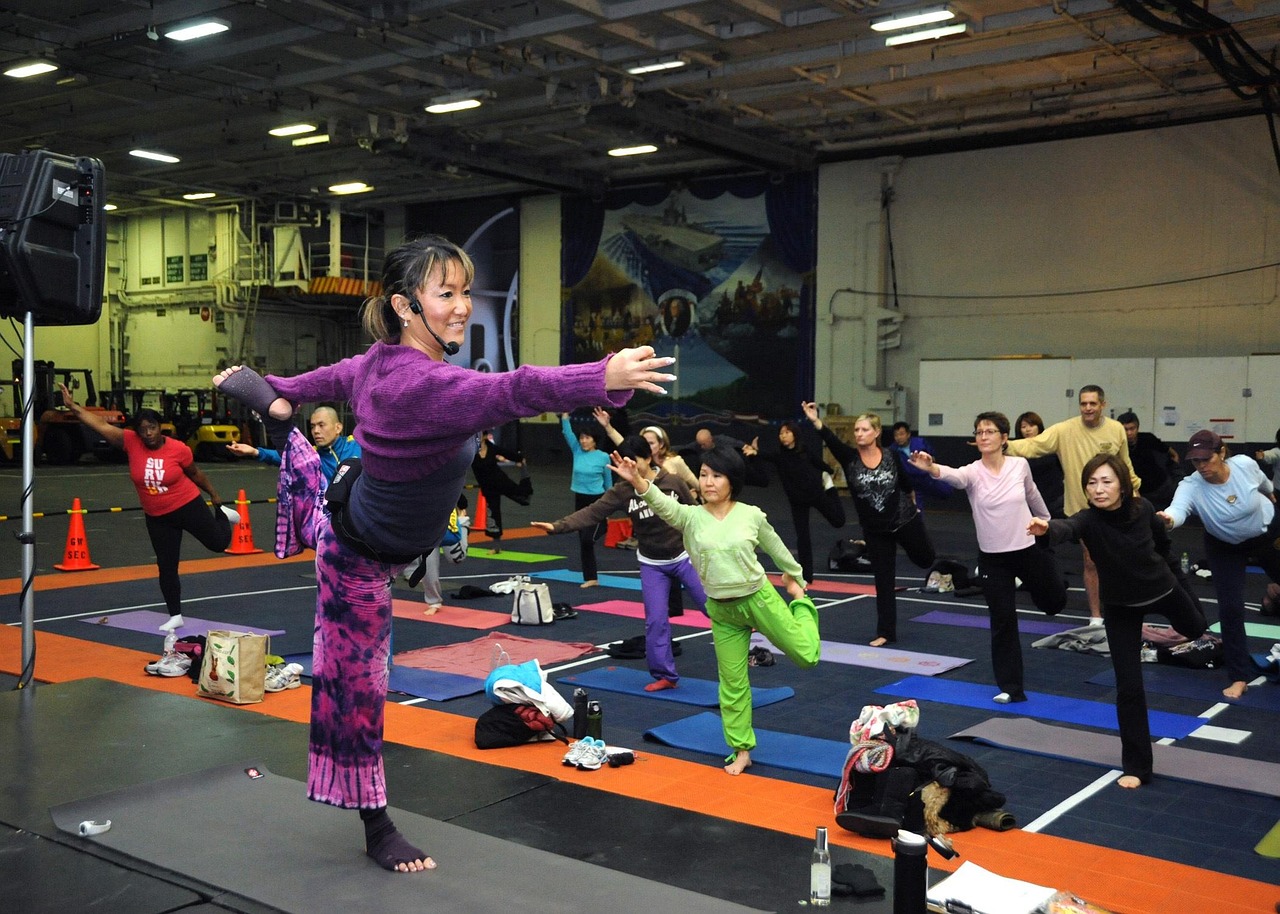
Negative self-talk can be a significant barrier to achieving fitness goals. It often undermines confidence and leads to abandonment of healthy habits. Mindfulness in fitness training helps to address these negative voices by fostering a greater awareness of thoughts and emotions. Instead of reacting impulsively to critical inner dialogues, mindfulness encourages a pause, allowing for reflection. During this moment, one can identify and challenge negative self-beliefs that arise. Asking oneself, “Is this thought true?” can effectively counteract potential mental pitfalls. Additionally, incorporating motivational strategies serves to shift focus from self-doubt to self-empowerment. Setting achievable goals can create a sense of accomplishment, reinforcing a positive outlook. By concentrating on progress rather than perfection, individuals can cultivate resilience and joy in their fitness journey. As motivation increases, self-talk can transform from negative to encouraging, underscoring a supportive internal dialogue. Furthermore, blending mindfulness with movement, such as yoga or tai chi, enhances the ability to stay present. These practices promote a holistic approach to fitness where acceptance is key, leading to sustained motivation and improved mental health.
The Role of Mindfulness in Managing Self-Criticism
Mindfulness allows individuals to become better observers of their thoughts without judgment. This observation enables a distinction between thoughts and reality. Many experience a stream of self-critical thoughts during workouts, which can be detrimental. However, through mindfulness practices, one learns to observe these thoughts as fleeting and unimportant. Practices such as meditation or focused breathing help to ground individuals. When faced with anxiety or self-doubt, taking a moment to breathe and assess can change a world view. A simple method is the “5-4-3-2-1” strategy. Identify five things you see, four you can feel, three sounds you hear, two smells you can identify, and one thing you can taste. This sensory awareness helps shift focus from negative thoughts to the present, reducing their power. Furthermore, grounding techniques foster emotional regulation, making it easier to address those thoughts constructively. By integrating mindfulness into a fitness routine, individuals develop greater self-compassion, which is essential for long-term success. Eventually, this practice helps to create a more balanced mental landscape, allowing for enhanced physical performance and emotional well-being.
Incorporating motivational phrases can drastically change the tone of self-talk during workouts. Repeating affirmations like “I am strong” or “I can do this” helps to build mental strength. Such affirmations should resonate positively and align with personal goals. Writing them down in a visible place, such as a workout space or journal, reinforces commitment to these positive beliefs. Over time, these repeated phrases replace negative dialogue, contributing to a healthier mindset. The cognitive restructuring that occurs with consistent affirmation practice shifts focus towards what is achievable rather than unattainable ideals. Furthermore, motivational quotes from successful athletes or wellness experts can serve as daily reminders of perseverance and resilience. Sharing these quotes with workout partners creates a communal sense of motivation, enriching the fitness experience. Engaging in group activities or classes can also amplify motivation by providing support and accountability among peers. Together, people can motivate each other, share experiences, and celebrate improvements, however small. This communal aspect diminishes loneliness often linked to self-doubt, fostering social connection and encouragement tied to individual journeys in fitness.
Overcoming The Fear of Failure
The fear of failure frequently leads to negative self-talk, deterring individuals from pursuing fitness goals. Mindfulness offers strategies to confront and transcend this fear. Acknowledging that everyone fails at some point in their fitness journey normalizes the experience. By reframing failure, individuals can view it as a learning opportunity rather than an endpoint. Writing down personal fitness setbacks alongside the lessons learned can facilitate this process. Gradually, each failure recorded becomes a stepping stone to growth. Engaging with these experiences promotes a healthier relationship with failure, reinforcing resilience and determination. Sharing these reflections with others also fosters connectivity and reduces anxiety regarding failures. Moreover, maintaining a focus on personal milestones rather than comparative ones diminishes the pressure that society often imposes. Setting small, achievable objectives helps cultivate a sense of progress and accomplishment. As individuals prioritize personal achievements, the subjective nature of success becomes evident. Moreover, by practicing self-kindness during tough moments, it becomes easier to carry on. When setbacks are faced with grace, the cycle of negative self-talk diminishes, paving the way for renewed motivation for progress forward.
In addition to mindfulness practices, establishing a supportive environment is crucial. Surrounding oneself with positive influences enhances motivation and self-esteem significantly. This can involve selecting workout partners who uplift and inspire rather than critique. Joining fitness communities, whether online or offline, nurtures camaraderie among those who face similar struggles. Encouragement from like-minded peers provides a sense of belonging while fostering resilience in adverse situations. Using social media as a tool for motivation can be beneficial. Sharing goals and progress on platforms may create accountability and facilitate supportive interactions. However, it is essential to curate one’s feed to include only those voices that uplift. Negative comparisons or disparaging comments can exacerbate self-doubt; thus, weighing the impact of social media exposure is important. Creating personal boundaries around fitness-related conversations and interactions, promotes a healthier mindset. Setting clear intentions can create purpose for exercises and push individuals beyond their comfort zones. By envisioning fitness as an enjoyable, communal journey rather than a solo grind, one can shift perceptions towards more positive self-talk, fostering lasting motivation and overall satisfaction.
Reflection and Continuous Improvement
Employing a reflective practice can enhance motivation and mindfulness in fitness routines. Regularly assessing progress reinforces a sense of achievement. Utilizing a fitness journal to log workouts, emotions, and thoughts enables individuals to observe patterns in their self-talk. Reviewing these entries can reveal triggers responsible for negative thoughts. Analyzing these observations can illuminate progress, showing how far one has come. Recognizing even small improvements can solidify motivation and break down any lingering self-doubt. Furthermore, reflecting on the goals achieved promotes the understanding that persistence yields results. Learning from the process, rather than solely fixating on outcomes, facilitates an appreciation for the journey. Reflection also opens the opportunity for goal adjustment. If certain benchmarks feel unattainable, they can be modified to create further motivation. A proactive approach to goal setting encourages continuous improvement, ensuring satisfaction remains prevalent throughout the process. Additionally, seeking feedback from fitness instructors or experienced friends provides fresh perspectives. Constructive criticism equates to personal development when addressed positively, emphasizing the importance of an open mindset in fitness journeys. This collaborative approach actively strengthens both motivation and resilience amidst challenges.
Ultimately, combating negative self-talk in fitness requires a multifaceted approach combining mindfulness and motivation. Each individual’s journey is unique, highlighting the importance of personal strategies to empower oneself. Starting small and gradually building upon successes fosters lasting confidence. Engaging regularly in mindfulness practices, such as meditation or deep breathing, can equip individuals with coping methods when faced with self-criticism. Cross-training experiences can also enrich fitness journeys, contributing further to stress relief and burnout reduction. This varied approach encourages excitement while diversifying personal routines. Enhancing fitness with enjoyment and variety minimizes chances of falling into negative spirals. Furthermore, incorporating regular check-ins on mental state provides a gauge of emotional well-being throughout workouts. Emphasizing joy in fitness creates a positive cycle where motivation naturally flows. Celebrating successes, no matter how minor, reinforces self-worth and combats negativity in self-talk. By fostering a culture of acceptance and love for oneself, individuals can thrive within their fitness journeys. Remember that challenging negative self-talk is an ongoing process, requiring practice, reflection, and supportive practices alongside personal commitments to achieve holistic well-being.