
Hydrating Before, During, and After Exercise on a Vegan Diet
Staying hydrated is crucial for everyone, especially those following a vegan diet. Plant-based diets can sometimes lead to underconsumption of essential electrolytes and minerals that aid hydration. Fluids are lost through sweat during exercise, and without adequate replacement, performance can diminish significantly. Thus, planning your hydration strategy around your workout regimen is important for optimizing performance and recovery. Begin hydrating before you start your workout by drinking plenty of water throughout the day. In addition to plain water, consuming fruits and vegetables with high water content can be beneficial. Some excellent options include cucumbers and watermelon, both of which help fulfill hydration needs as they offer vitamins and minerals essential for plant-based athletes. Incorporating electrolyte-rich beverages can also be part of the strategy, especially if workouts last over an hour. Electrolyte drinks made from fruits like coconut water not only replace lost fluids but also provide necessary nutrients. Monitor your body’s needs, adjusting your intake based on exercise intensity and duration, to ensure optimal hydration levels and prevent any dehydration-related complications.
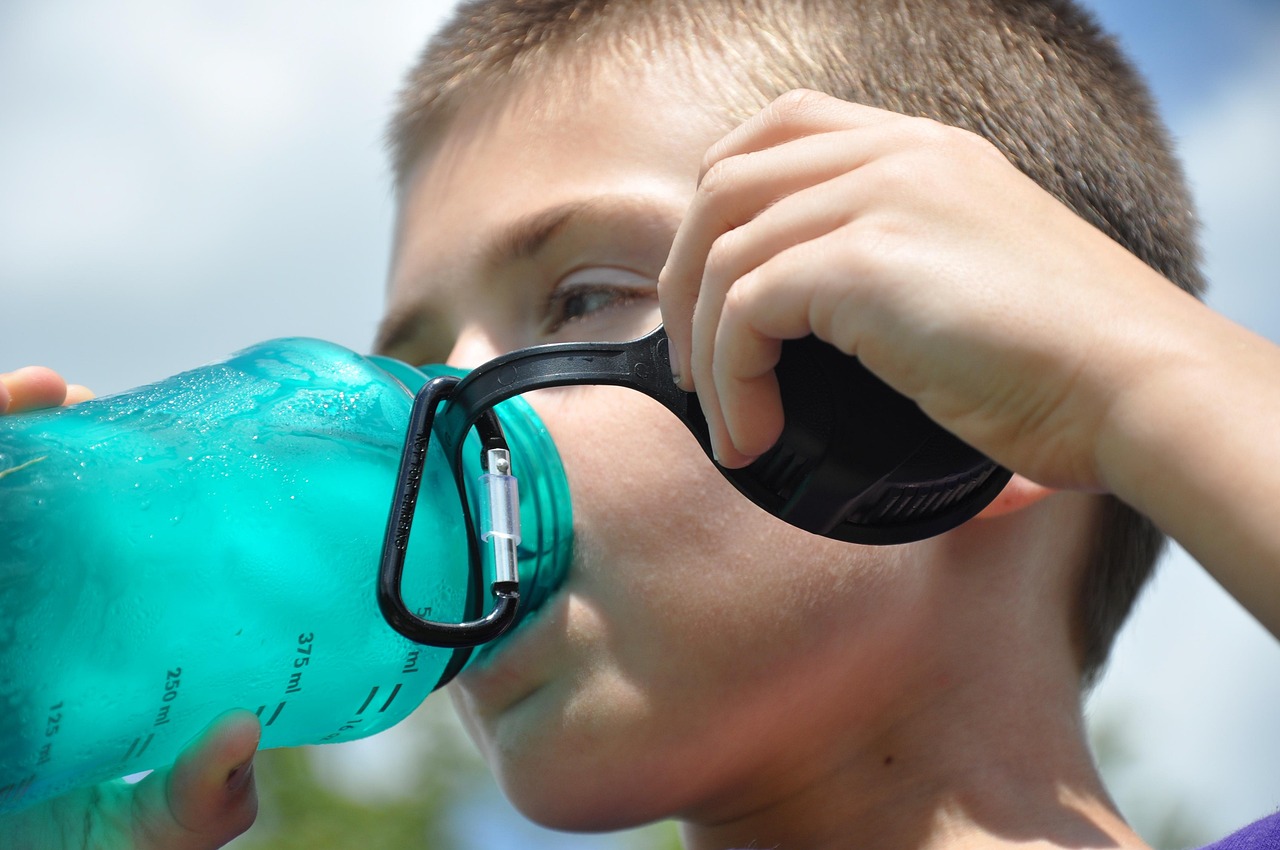
Hydration strategies need to be adjusted during exercise, especially for those engaging in intense physical activities. When exercising on a vegan diet, consider carrying a water bottle to sip on regularly. It is advisable to drink water every 15-20 minutes during workouts, but this can change depending on the intensity and environment temperature. Utilizing natural electrolyte options can enhance hydration. Coconut water is an excellent alternative, as it contains potassium and sodium, mirroring some commercial sports drinks but without added sugars and artificial ingredients. Assess how you feel during your workouts; consistent dry mouth or fatigue could indicate that you’re not hydrating enough. Including fruits like oranges or bananas in your pre- and post-exercise meals can contribute to electrolyte balance as well. Replenishing lost electrolytes post-exercise is as essential as keeping hydrated during workouts. Remember, hydration is not only about water but also about restoring vital nutrients lost through sweat.
Hydrating After Exercise
After exercising, replacing lost fluids is crucial for recovery, especially for those who follow plant-based diets. A good recovery hydration strategy involves not just drinking water but also replenishing essential nutrients. Post-exercise hydration should commence immediately to effectively restore fluid balance. Smoothies made from fruits and vegetables not only satisfy hydration needs but also boost vitamin intake, which is essential for recovery. Popular options include banana-strawberry smoothies or green smoothies packed with spinach and cucumbers. These drinkables offer hydration, carbohydrates, and electrolytes that help with muscle recovery. It’s also an excellent opportunity to add in plant-based protein powders if needed. Be mindful to assess how much fluid you’ve lost through sweat, particularly during longer workouts. Basic calculations can help, where you measure your weight before and after exercise to quantify fluid loss. Moreover, managing energy levels is essential for recovery, so pairing fluid intake with balanced meals post-workout is recommended. Hydrating recovery meals rich in complex carbohydrates like quinoa or sweet potatoes can sustain your energy throughout the day.
Vegan diets can sometimes be lower in sodium, which is another essential electrolyte lost during exertion. Therefore, include a pinch of salt in your meals, particularly post-exercise, to help replenish sodium levels. This is particularly true when assessing the duration and intensity of your workouts. Eating salty snacks like nut butter on rice cakes or adding a sprinkle to your salads can be beneficial. Further, think about incorporating plant-based broth or soups in your post-exercise meal plan. These can significantly contribute to rehydration while offering a comfy, warm option as part of your recovery strategy. Also, herbal teas can serve as a hydrating beverage option after workouts, providing both warmth and unique flavors. Additionally, hydration doesn’t stop at liquids; food intake can also significantly enhance hydration. Fruits like strawberries, oranges, or even veggies like lettuce and bell peppers contribute much-needed water content post-exercise. Consequently, keeping hydration diverse and inclusive within a plant-based framework can provide effective recovery resources alongside liquid intake.
Hydration Tips for Endurance Athletes
Endurance athletes following a vegan diet face unique hydration challenges due to increased sweat and nutrient loss. Therefore, it’s vital to develop a hydration plan that suits their training and events. One effective tip involves frequent, small sips of fluids throughout the day, rather than waiting to feel thirsty. This proactive approach plays a significant role in preventing dehydration. Carrying a shaker bottle filled with water and homemade electrolyte drinks is an excellent strategy, especially for longer sessions. Additionally, incorporating natural electrolyte sources such as chia seeds can be valuable, as they’re packed with omega-3 and fiber but also hydrate through absorbed fluid. Moreover, training your body to drink amounts that feel comfortable while exercising is essential, as it fosters better hydration behaviors during competitions. Focus on how different hydration amounts impact your energy levels and stamina. Try testing various fluid sources to find what best supports your performance. Mixing hydrated foods with liquid hydration leads to a better balance of nutrients in tall types of workouts, paving the path for optimal health and performance.
Another effective hydration strategy is timing your intake with the types of foods consumed before workouts. Having meals surrounded by high water content can naturally prepare your body for the exertion. Think about preparing meals that blend both nutritious whole food sources with hydrating qualities. For example, pairing oatmeal with fruit provides energy and hydration alone before you hit the gym. Moreover, foods like soups before exercise ensure good hydration levels while delivering sustaining energy. It’s recommended to avoid excessive fiber just before intense training sessions to minimize digestive discomfort. Balance hydration by adjusting meals based on body needs, workout intensity, and duration. Be mindful when consuming high-sugar beverages, as they can lead to dehydration rather than hydration. Focus on combining different hydration strategies, adapting while responding to your body signals before, during, and after exercise. Lastly, keeping hydration plans flexible and adaptable enables better absorption and enhances workout performance by focusing on adequate hydration across any workout regimen.
Conclusion
In conclusion, hydrating effectively while engaging in a plant-based diet involves a combination of strategies throughout the workout process. Individual needs can vary based on factors like age, climate, and exercise intensity, so finding a unique hydration strategy is vital. Preparing in advance ensures you experience optimal hydration while exercising. Regularly monitoring your body hydration through sweat response, energy levels, and performance is essential. Fill daily hydration needs with a diverse range of liquids and foods promoting overall wellness. Incorporate diverse hydration sources ranging from natural fruits to electrolyte beverages. Fine-tuning post-exercise fluid protocols can improve recovery times and energy restoration, providing sustained results. Tailoring these strategies to your lifestyle enhances effectiveness while supporting a balanced, healthy plant-based diet. Moreover, don’t hesitate to tweak your hydration strategy during workouts as needed, responding dynamically to body signals. Embracing a personalized hydration strategy centered around your lifestyle and activities is the best way to ensure you remain hydrated, energized, and healthy on your journey towards fitness.
Overall, prioritize hydration in your fitness journey as an essential part of performance and recovery. Balancing a vegan diet with effective hydration strategies requires consistent assessments and adjustments based on physical activities.