
Recognizing Fatigue and Dizziness as Dehydration Symptoms
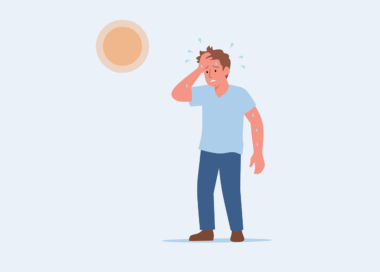
Fatigue and dizziness are common signs often overlooked but can indicate dehydration. Understanding the connection between these symptoms and hydration is essential for proper health management. When the body loses more fluids than it takes in, various functions begin to falter, leading to fatigue. This lack of adequate hydration means that the blood may not carry enough oxygen to vital organs, causing feelings of tiredness. Additionally, dizziness can stem from reduced blood volume impacting balance and coordination. Proper hydration helps maintain a healthy blood volume and electrolyte balance. It’s important to be vigilant about fluid intake, particularly when engaging in strenuous activities or during hot weather. Signs to watch for include: dry mouth, decreased urine output, and feelings of sluggishness. Make it a practice to check how much water you consume daily and adjust according to your activity level. Adding fruits and vegetables with high water content to your diet can also assist in maintaining hydration levels. For anyone experiencing these symptoms frequently, seeking medical advice may be necessary to explore further underlying health concerns and appropriate interventions.
Another critical aspect of recognizing fatigue and dizziness as dehydration indicators involves awareness of personal circumstances. Older adults, children, and pregnant women are particularly vulnerable to dehydration. They may not adequately express thirst or recognize early symptoms, putting them at greater risk. For instance, elderly individuals might experience reduced thirst sensations, leading to insufficient fluid intake over time. Similarly, children engaged in active play may forget to hydrate, resulting in fatigue and dizziness later. It’s crucial to stay proactive and encourage regular fluid consumption, especially among these groups. Simple measures can include carrying water bottles during outings or setting reminders to drink fluids throughout the day. By implementing these strategies, you can help mitigate risks associated with dehydration. Always consider personal factors that may influence hydration needs. For instance, ambient temperature, health conditions, and exercise intensity can all dictate hydration requirements. When fluid loss surpasses intake, it contributes to an increase in symptoms like fatigue and dizziness. Prioritizing hydration is a key part of maintaining overall well-being and preventing these uncomfortable sensations from affecting performance in daily tasks.
Additionally, being aware of the signs and symptoms of dehydration is crucial for early intervention. One of the first indicators can be mild fatigue, which often escalates if not addressed promptly. As fatigue progresses, coordination may become affected, leading to increased dizziness. This sequence can create a concerning cycle where dehydration exacerbates symptoms, further discouraging individuals from replenishing lost fluids. To combat this, one should recognize personal limits and aim to drink fluids before engaging in physical activity or prolonged sun exposure. Some tips for maintaining hydration include setting a fluid intake goal and tracking consumption over periods. For individuals involved in sports or outdoor activities, electrolyte drinks can also provide both hydration and essential nutrients. Understanding personal hydration needs is about more than just drinking water; it also entails recognizing when the body requires more fluids. A common misconception is that thirst is the only signal indicating the need for hydrating, but it often comes too late. Instead, developing a habit of regular hydration, at intervals throughout the day, can help maintain stamina and alertness while mitigating symptoms of dehydration.
The Impact of Dehydration on Mental Clarity
Research has shown that dehydration not only affects physical performance but also has significant implications for mental clarity and cognitive function. Fatigue and dizziness can cloud judgement, impair concentration, and reduce overall cognitive abilities. This impact can be particularly pronounced in tasks requiring sustained attention, such as driving, studying, or working. When fluid levels drop, the brain’s efficiency decreases, leading to feelings of lethargy and confusion. Moreover, dehydration can trigger headaches, further exacerbating the situation. This scenario is concerning, especially in high-pressure environments where focus is paramount. Hydration directly influences: mood, memory, and overall cognitive performance. Ensuring adequate hydration isn’t just about physical health; it empowers one’s mental effectiveness. Simple strategies to improve hydration include keeping a water bottle nearby and consuming hydrating foods. Foods such as cucumbers, oranges, and watermelon have both hydration and nutritional benefits. In workplaces or academic settings, making water breaks a routine can lead to improved cognitive outcomes. Remember, mental sharpness is intricately tied to hydration status, highlighting the importance of regularly assessing fluid intake for optimal function.
Furthermore, the relationship between fatigue, dizziness, and hydration underlines the importance of a holistic approach to health. Being aware of how different factors can lead to dehydration supports individuals in making informed decisions about their wellbeing. Alongside hydration, ensuring a balanced diet rich in vitamins and minerals enhances the body’s overall capacity to function optimally. Minerals like sodium, potassium, and magnesium are vital for maintaining electrolyte balance, while deficiencies can lead to worsened symptoms. Regularly consuming meals that incorporate a variety of nutrients can directly influence hydration levels, energy, and brain function. Combining hydration strategies with proper nutrition actively combats the consequences of dehydration-related fatigue and dizziness. Creating personalized hydration plans that include meals, snacks, and fluid intake helps establish a framework for success. Additionally, including high-water-content foods alongside regular fluid intake can promote optimal hydration. Being mindful of triggers for dehydration, such as extreme heat or illness, equips individuals with tools to counteract these effects effectively. Staying proactive about hydration informs healthier lifestyle choices.
Hydration During Exercise
It becomes even more critical to pay attention to hydration during physical exertion. Dehydration symptoms, including fatigue and dizziness, are prevalent in athletes or anyone engaging in strenuous activities. As the body loses fluids through sweat, its ability to regulate temperature diminishes, leading to potential overheating, fatigue, and dizziness. This situation can compromise performance and increase the risk of heat-related illnesses. Therefore, maintaining fluid intake is essential, particularly during long workouts or outdoor activities in hot conditions. Performance-enhancing hydration strategies include: drinking water before, during, and after exercise. Planning ahead by consuming electrolyted beverages can also replenish lost minerals due to sweat. For optimal results, it’s necessary to familiarize oneself with personal hydration needs based on exercise intensity and duration. Many athletes benefit from testing various hydration strategies to see what works best. Hydration strategies should account for individual sweat rates, metabolic responses, and environmental conditions. Establishing a personalized hydration strategy can keep fatigue and dizziness at bay while maximizing performance. Ultimately, combining effective hydration with sensible training regimens contributes to improved overall well-being.
In conclusion, recognizing fatigue and dizziness as significant signs of dehydration is key to maintaining health and well-being. Addressing these symptoms proactively can prevent complications and improve overall functionality. Whether at work, home, or while exercising, understanding one’s hydration needs empowers individuals to take charge of their health and optimize performance in various activities. It’s vital to remain cognizant of environmental factors and personal circumstances that could influence fluid intake levels. Establishing a habit of regular hydration can substantially reduce the risk of fatigue and dizziness, ensuring that individuals remain alert, focused, and empowered. Remember to include hydrating foods alongside water intake to create a well-rounded approach to hydration. If symptoms persist despite making lifestyle adjustments, consulting with a healthcare provider is a necessary step to rule out other health concerns. Embracing effective hydration strategies transforms the way we approach health and wellness. Prioritizing hydration not only combats fatigue and dizziness but also enhances overall energy levels and cognitive abilities. By staying informed and making mindful choices, we can significantly influence our quality of life positively.