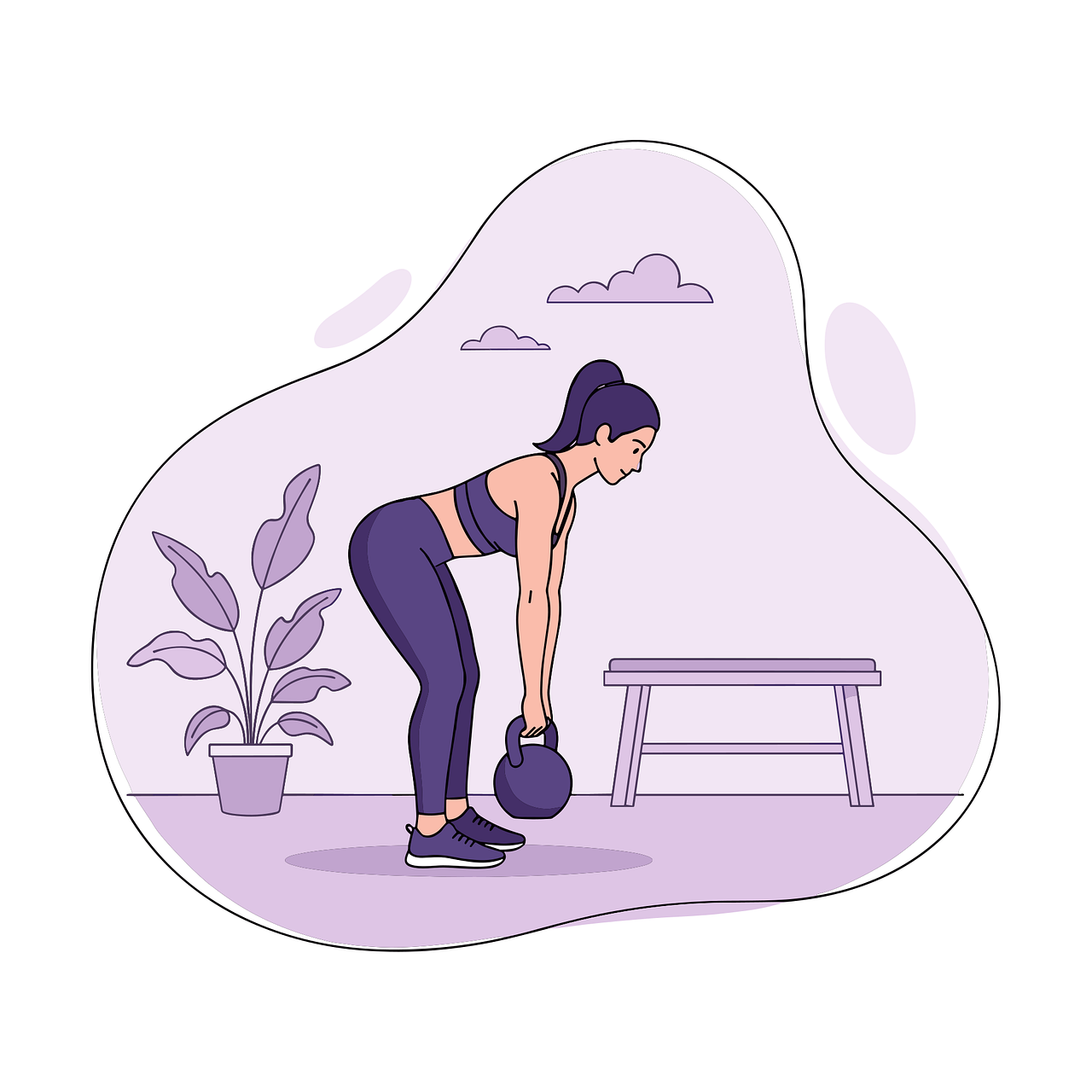

Stretching Techniques to Enhance Muscle Growth at Home
Stretching plays a crucial role in muscle growth, especially when performed at home where convenience is key. Incorporating various stretching techniques into your workout routine can enhance flexibility and improve overall performance. These techniques not only aid in muscle recovery but also reduce the risk of injury during workouts. Essential stretching routines help elongate your muscles by increasing blood flow, temperature, and nutrient delivery to your muscles prior to resistance training. Among the most effective techniques are static stretches, dynamic stretches, and proprioceptive neuromuscular facilitation (PNF). Static stretches involve holding a position for a certain duration, allowing muscles to relax and lengthen. Dynamic stretches, on the other hand, entail active movements that improve range of motion without holding positions. PNF is a more advanced technique that combines stretching and contracting, often requiring a partner. By utilizing these methods, you not only promote better muscle growth but also enhance mobility and flexibility. Remember to maintain proper form and focus on breathing to maximize the benefits of each stretch. Consistency and patience are essential in attaining desired results and ensuring healthy muscle development.
One effective stretching routine is incorporating static stretches post-workout. This type of stretching can be performed on major muscle groups, ensuring they are treated equally. Some key static stretches include the seated hamstring stretch, quadriceps stretch, and the shoulder stretch. To execute the seated hamstring stretch, simply sit on the ground with one leg extended. Reach towards your toes while keeping your back straight, and hold this position for about thirty seconds. In doing so, you lengthen the hamstring muscles effectively. For the quadriceps stretch, stand on one leg while pulling your other foot towards your glutes. Hold onto a wall or stable surface for balance. To enhance the shoulders, extend one arm across your body and pull on the elbow with the opposite hand. These post-exercise static stretches not only promote flexibility but also encourage recovery by reducing muscle soreness. Maintain each position for 15 to 30 seconds and engage in controlled breathing throughout the process. Overall, implementing static stretches regularly contributes significantly to muscle growth and improved overall function.
Dynamic Stretching Before Workouts
Dynamic stretching is essential to incorporate into your pre-workout routine, as it increases blood circulation and prepares your muscles for more intensive exercises. It engages muscles and improves flexibility, which is vital for maximizing performance and reducing injuries. Dynamic stretches, including leg swings, torso twists, and side lunges, activate major muscle groups and enhance range of motion. For leg swings, stand on one leg and swing the other leg forward and backward, focusing on hip mobility. This movement warms up the hip flexors and hamstrings effectively. Torso twists involve standing with your feet shoulder-width apart, rotating your upper body side to side while maintaining a slight bend in your knees. These twists improve spinal flexibility and engage the core. Side lunges help open up the hips while activating the adductors. To perform side lunges, step out laterally with one leg while bending that knee, keeping the opposite leg straight. Engage in dynamic stretching for about 10 to 15 minutes prior to your workout. This will prime your muscles and promote muscle growth through better performance during exercises.
A unique approach to improving flexibility and muscle growth is the incorporation of PNF stretching techniques. PNF stretching, often used in rehabilitation settings, combines stretching and contracting patterns to achieve greater range of motion while enhancing muscle strength. PNF stretches typically require a partner for maximum effectiveness, but can also be done solo using an object for resistance. To practice this technique, choose a muscle group to stretch. First, stretch the muscle to the end of its range of motion and hold it for about 10 to 15 seconds to relax the muscle. Next, contract the muscle against resistance for about 5 seconds, then relax. Immediately follow this with a deeper stretch, holding for 15 to 30 seconds. This process is repeated several times to elicit enhanced stretching effects. PNF techniques are particularly beneficial for those looking to develop muscle strength because they target both the muscle being stretched and its opposing muscle groups. Regularly engaging in PNF stretching aids in muscle growth, enhances coordination, and improves athletic performance overall.
The Importance of Breathing Techniques
While practicing stretching routines, it is crucial to focus on breathing techniques. Proper breath control can enhance the effectiveness of your stretching exercises, promoting relaxation and reducing tension in the muscles. Breathing techniques should be integrated seamlessly into your stretching routine to maximize the benefits. For instance, during static stretching, inhale deeply through your nose and exhale slowly through your mouth while holding each position. This controlled breathing helps increase oxygen flow to your muscles and allows for a deeper stretch. Additionally, maintaining a steady, calming breath encourages a focused state of mind and limits discomfort. For dynamic stretches, synchronize your breath with your movements, inhaling during preparation phases and exhaling during exertion. This practice ensures that muscles receive adequate oxygen and can perform optimally during workouts. In addition, effective breathing can assist in maintaining form and posture throughout your stretches. By incorporating conscious breathing with stretching, you’ll create a holistic workout routine that fosters muscle growth, flexibility, and overall physical well-being.
Incorporating restorative stretching routines into your relaxation periods is vital for muscle growth. Restorative stretches can aid in recovery by decreasing muscle tightness and soreness. They provide an excellent opportunity to refocus your mind and body, especially after intense workouts. Key restorative stretches include the child’s pose, cat-cow stretch, and the lying spinal twist. The child’s pose promotes deep relaxation and gently stretches the spine, hips, and thighs. The cat-cow stretch is effective for improving spinal flexibility, alternating between rounding and arching your back. To perform the lying spinal twist, lie on your back, draw one knee to your chest, and gently guide it across the body towards the floor. Each of these stretches can be held for 30 seconds to a minute, allowing your muscles to unwind fully. These restorative practices not only help improve flexibility but also enhance your ability to engage in future workouts more effectively. Dedicate time to these stretches at least two to three times a week to experience significant benefits in muscle growth and recovery outcomes.
Staying Consistent with a Stretching Routine
Consistency is essential when it comes to stretching. To enhance muscle growth at home through stretching, develop a routine that incorporates both dynamic and static stretches regularly. Aim to stretch at least three to four times a week, dedicating time before and after workouts to maximize benefits. Setting aside even as little as 15 minutes per session can lead to improved flexibility and muscle elasticity. Maintaining a stretching schedule not only enhances performance but also keeps you accountable without skipping sessions. You can even incorporate technology into your routine, using apps that send reminders or provide guided stretches. As you become more familiar with different techniques, you’ll find particular stretches that work best for your body. Tracking your progress and noting improvements in flexibility, range of motion, and muscle recovery can also be motivating. Additionally, be patient with your body; improvements may take time. Celebrate small milestones you achieve along the way, such as reaching new lengths in your stretches. By remaining consistent and dedicated to your stretching routine, you’ll witness significant muscle growth and overall physical improvements.
Conclusion and Motivation
In conclusion, embracing a variety of stretching techniques at home significantly enhances muscle growth and overall performance. Incorporate both static and dynamic stretching into your routine while paying attention to breathing techniques and engaging in restorative stretches. Utilize PNF stretching methods to maximize flexibility and strength effectively. As you remain consistent with your practice, you will notice improvements in your muscle development, range of motion, and functional movements. Setting realistic goals ensures that you maintain motivation throughout your journey toward better flexibility and muscle growth. Remember that patience and perseverance are key in this process; gradual progress yields rewarding outcomes. Your commitment to stretching is an investment for your body and overall well-being. Stay motivated by tracking your journey, sharing your success with friends or fitness communities, and reminding yourself of the benefits of stretching on both mental and physical health. Ultimately, each stretching session brings you closer to achieving your fitness goals. With dedication, you can create an environment at home that fosters muscle growth and promotes a healthier lifestyle.