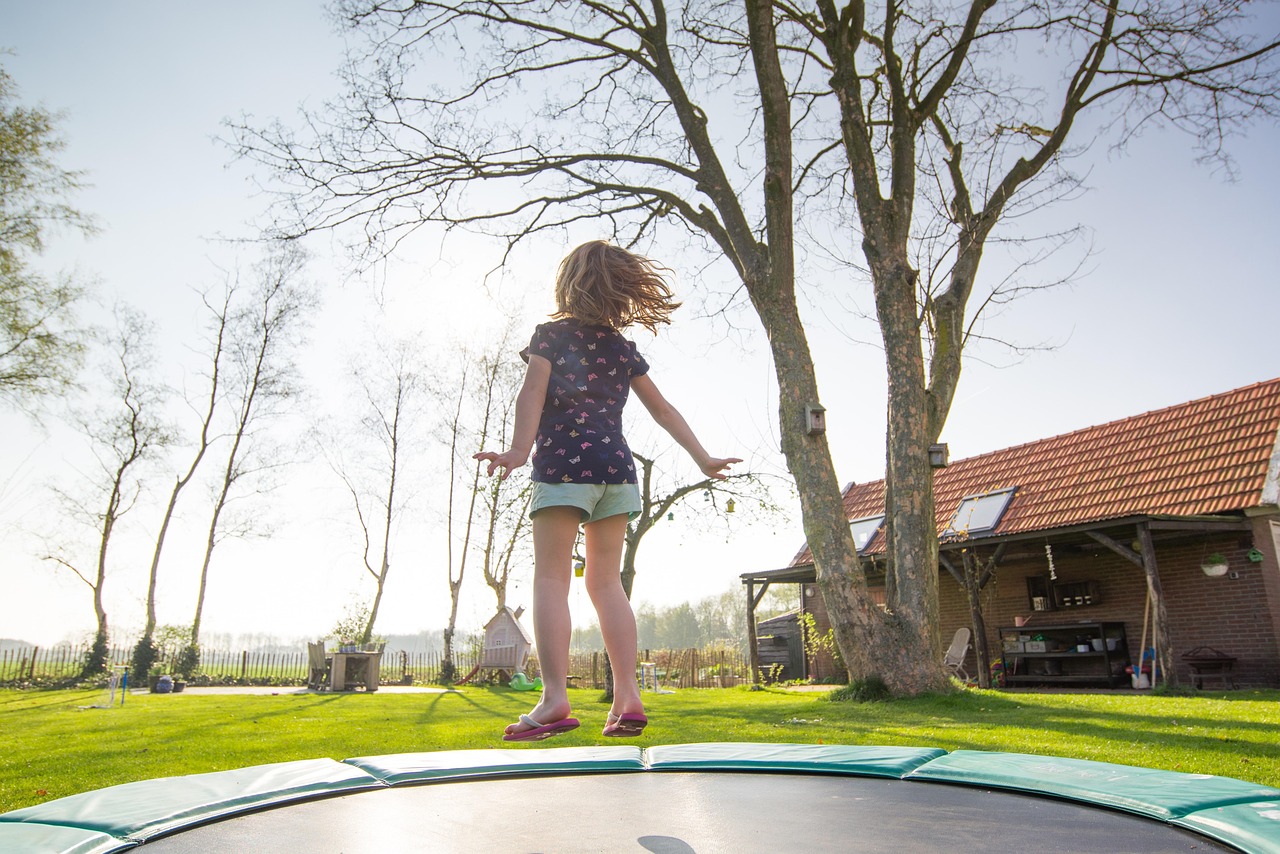

Incorporating Exercise into Daily Routines for Children
Motivating kids to exercise is an essential part of ensuring their health and fitness. It is crucial to create environments where children are encouraged to be active and develop healthy habits. One effective strategy is to incorporate exercise into their daily routines. By turning physical activities into enjoyable experiences, children are more likely to participate willingly. For example, consider family outings that include hiking or biking. Involve children in choosing the activity, fostering a sense of ownership. Regular physical activity can be integrated into chore routines, making them less of a task and more of an adventure. Set aside a specific time each day dedicated to activities, like jumping rope or playing catch. Use technology to track progress and celebrate milestones to build excitement. Engaging in activities with friends can motivate them to stay active while enjoying social interaction. It’s important to showcase various exercise options, allowing kids to try different sports or dance classes. This variety can make the process of staying active fun for them; thus, laying the foundation for a lifelong love of exercise.
Establishing a routine is essential when incorporating exercise into children’s lives. Mornings can be a great time for engaging activities, setting a positive tone for the day. Consider ideas like stretching together as a family before breakfast. Additionally, organizing short bursts of exercise during homework breaks can be beneficial. Encourage options such as dancing to their favorite music or doing quick exercise circuits together. Moreover, utilizing weekends for more extensive family activities provides opportunities to bond. Invite children to participate in a weekend sport, such as soccer or basketball, strengthening teamwork and communication skills. During the week, consider creating a fun physical activity calendar filled with various exercises. Reward them for accomplishing their goals, reinforcing positive behavior. Make the motivation visible and easy to comprehend, demonstrating the benefits it yields, such as energy and improved focus. In collaboration with their schools, parents can also advocate for more physical activity throughout the academic day. By implementing these strategies, children can seamlessly integrate exercise into their routines while developing a positive mindset regarding fitness.
Making Exercise Fun
To keep children motivated, it is essential to make exercise enjoyable. Fun activities resonate deeply with kids, drawing them into regular physical routines. Incorporate games, challenges, and creative approaches to traditional sports. Friendly competitions can stimulate interest; for instance, setting up playful obstacle courses can ignite excitement and engaging challenges among friends or family members. Using creative rhythms by combining music and movement can establish a pleasant association with exercise. Dance sessions at home can become a joyous experience, promoting cardiovascular fitness and coordination. Additionally, consider thematic sports days where kids can try out new activities inspired by their favorite characters or movies. E-gaming platforms with fitness games can lead to a positive incline in participation rates, displaying how technology can bridge fun and exercise. Integrating seasonal or cultural themes can also motivate participation by whether it is skating in winter or playing beach volleyball in summer. Thus, approach physical fitness with a creative mindset will yield more profound and long-lasting results in instilling healthy habits.
An important aspect of motivating kids to exercise is the role of parental involvement. When parents actively participate, it sends a message about the value of fitness. By joining in on family exercises, they can experience firsthand the joy it brings. Creating family fitness goals encourages children and solidifies family bonds. Consider family challenges, such as walking a specific distance each week or completing a certain number of active days. Parents can elevate the excitement by sharing their fitness journey, showcasing personal achievements while reinforcing the entire family’s commitment. Furthermore, encourage physical activity through invitations to friends to join in on activities. This can foster social interaction and strengthen friendships while promoting fitness. Exploring community programs can be another avenue to keep children engaged. Signing them up for local sports teams or summer camps introduces them to structured physical activities. By being role models and participating, parents can lay down a solid foundation for a lifetime of healthy habits, shaping their children’s attitudes towards exercise positively.
Utilizing Technology Wisely
Technology, when harnessed correctly, can play a significant role in motivating kids to stay active. Children today are inherently attracted to various digital tools, making it vital for parents to utilize these interests constructively. Fitness tracking apps can serve dual purposes by engaging kids and providing insights into their physical activities. For instance, using apps that gamify exercise encourages them to reach their goals while having fun. Setting digital challenges among peers can instill a sense of competition and motivate further participation. Additionally, interactive fitness videos can lead children through exercises while keeping them entertained. Alternatives such as YouTube channels dedicated to kids’ workouts can turn exercise into an exciting event. Monitor screen time and ensure an appropriate balance between digital involvement and real-life activities. Leverage technology to maintain their excitement and interest, ensuring children also understand the importance of physical activity beyond the screen. By cleverly blending technology and fitness, we create opportunities for children to engage actively in their health journey.
Nutrition and exercise go hand in hand for children’s overall wellness. Offering healthy snack alternatives is essential in keeping energy levels high and encouraging activity. Encourage children to appreciate nutritious food by involving them in meal prep. Teaching them about the importance of fuel in relation to exercise can shift their mindset towards healthy eating. Create fun recipes that incorporate colorful fruits and vegetables; let them select ingredients for smoothies or salads. Establishing meal routines that consider activity levels can also be an effective strategy. For instance, feeding kids nutritious foods after they engage in sports can instill positive eating habits. In addition, teach children how hydration affects performance during exercise. Encourage water consumption before, during, and after physical activities for optimum benefits. Providing age-appropriate education about nutrition can empower kids to make informed choices. By intertwining good nutrition with physical activities, children can create positive associations, strengthening their desire to lead a healthy lifestyle at home and beyond.
Setting Realistic Goals
When motivating kids to exercise, setting achievable goals is imperative for maintaining their enthusiasm. Goals should be age-appropriate and focus on gradual improvements rather than perfection. Begin with simple targets, like aiming for twenty minutes of activity each day. This can take several forms, such as playing tag or practicing a specific skill. Teach children about progress rather than one-time performances. Regularly review and adjust goals together to keep them engaged. Visualization techniques can encourage kids to understand their goals more clearly by drawing or writing them down. Celebrating milestones, even the small wins, can significantly enhance motivation levels. Children crave acknowledgment, so rewarding accomplishments reinforces their commitment to active lifestyles. Incorporate flexibility into their goal-setting; if they are feeling overwhelmed, adjusting expectations can alleviate pressure and prevent burnout. Keep fitness a refreshing adventure; the excitement should lie in the journey rather than just the destination. Through realistic, gradual, and engaging approaches, children are empowered to continue their fitness journey throughout their lives.
In conclusion, motivating kids to exercise may seem daunting, but with creativity and dedication, it can be achieved effectively. Building a supportive environment that acknowledges their efforts and celebrates their successes fosters lasting interest in fitness. Parents should recognize the significance of being role models and involved in their children’s physical journeys. Implementing diverse activities can maintain engagement while teaching valuable social skills. The combination of technology, fun, and nutrition reinforces healthy habits from an early age. By setting realistic goals, encouraging involvement, and making exercise enjoyable, health becomes an integral part of their lifestyle. Ultimately, children who view physical activity positively will carry these principles into adulthood, resulting in healthier communities. Establishing a foundation for children where exercise is woven into the fabric of daily life equips them with tools that support their future well-being, so every small step matters. Embrace each opportunity to create bonding moments through activities—these will shape their relationship with exercise. Make fitness an engaging part of their daily lives for lasting benefits and happiness.