
Analyzing Floorball Rules: A Comprehensive Overview
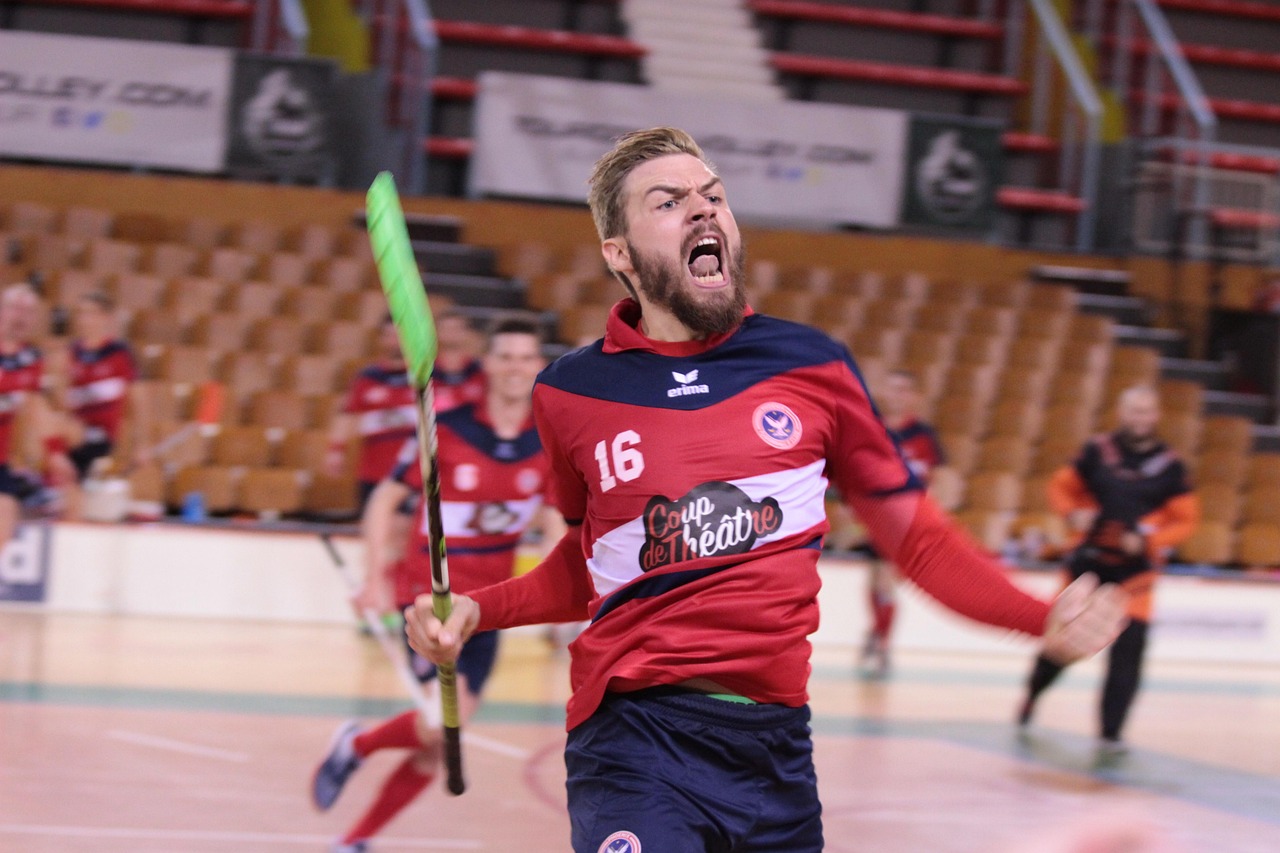
Floorball is a thrilling and fast-paced team sport played indoors. Understanding its rules is essential for players, coaches, and enthusiasts alike. The game involves two teams, each with five field players and a goalkeeper. Players use lightweight sticks to maneuver a plastic ball into the opposing team’s goal, similar to ice hockey. One of the unique aspects of floorball is the no-contact rule. Physical play is limited to allow for fluid movement and safety. Players can only engage in limited defensive actions, helping to maintain a dynamic pace throughout the match. The official game duration consists of three twenty-minute periods. Teams switch ends after each period, ensuring the goalies face all sides of the rink. The rules also emphasize sportsmanship, encouraging respect among players and officials. Penalties for unsportsmanlike behavior can lead to time penalties, where offenders must sit out. Goals are typically scored from close range and require quick reflexes. Understanding these fundamental rules can enhance appreciation and enjoyment of the game. A basic grasp of floorball rules can also improve strategies employed during matches, leading to more competitive games.
The Playing Field and Equipment
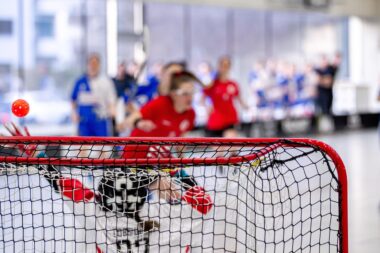
The playing field for floorball is rectangular, measuring between 40 to 44 meters long and 20 to 22 meters wide. It is surrounded by boards that help keep the ball within play, making the game fast and continuous. The goal frames measure 1.6 meters high and 2.4 meters wide. Players wear specialized shoes designed for indoor surfaces, which provide grip without damaging the flooring. Additionally, each player must use a flexible plastic stick that varies in length and curve to suit their style of play. The ball used in floorball is lightweight, usually weighing around 23 grams, which allows for quick passing and shooting. Protective gear, including shin guards and gloves, is recommended to minimize injuries. Goalkeepers wear additional padding, including a helmet, chest protector, and leg guards, ensuring their safety while blocking shots. The combination of this equipment and the reinforced playing field contributes to the sport’s unique character. All participating teams need to ensure they have the necessary attire and equipment to comply with official regulations before any match. Proper understanding of the field dimensions is crucial for effective strategy in bringing teamwork into play.
Another essential aspect of floorball rules involves the methods of scoring. A goal is awarded when the ball entirely crosses the goal line, therefore the precision of strikes and passes is paramount. The area immediately in front of the goal, known as the crease, is where restrictions apply specific to goalkeepers and players. Only one attacking player is allowed in the crease at a time, while opponents are not permitted to interfere with the goalkeeper’s movement. As a result, players must highlight efficiency in their movements to secure a successful score. Besides physical skills, strategic positioning play a vital role in earning goals through planned teamwork. An understanding of advantageous plays can lead to increased scoring opportunities, and communication is vital during a game. Players often engage in coordinated efforts to create openings. The referee’s perspective is important to enforce rules about scoring and crease violations, which may be complicated during fluid game dynamics. Officiating is essential in ensuring that the game runs smoothly, penalizing any infringement. Furthermore, an accurate referee’s judgment helps maintain fair play throughout the match, demonstrating the importance of rules to the sport.
Penalties and Fouls
Fouls in floorball can lead to various penalties that can significantly affect a match’s outcome. Players are penalized for hitting, pushing, or tripping opponents, resulting in a free-hit for the opposing team. One serious infringement is a 2-minute penalty, where the offender must leave the rink, exposing their team to temporary disadvantage during that time. It is also common to garner a 5-minute penalty for dangerous play, sending players off for more egregious acts, such as high-sticking or reckless behavior. Referees play an essential role in maintaining the integrity of the game through strict adherence to these foul rules. Maintaining comradery and sportsmanship is important to floorball, and players must remember to remain respectful toward each other on and off the field. Additionally, players must also be aware of accumulating personal fouls, as facing a certain number within a designated timeframe can result in automatic disqualification. Understanding how penalties can impact team dynamics is vital in close matches to ensure an advantage while adhering to the rules. Therefore, players frequently strategize during gameplay to minimize their fouls while seeking advantageous plays against opponents.
Another critical rule aspect is the technique for restarting play after stoppages. Depending on the situation, several methods can be used to resume the game. If the ball goes out of play over the boards, a free hit is awarded to the opposite team at the point of exit. Players must be cautious and adhere to the correct designated distance from the ball during free hits. A common practice during face-offs occurs at the beginning of periods and after goals, where players from each team contest for possession. Situations requiring a restart often differ as a game evolves, and the referee’s decision here is final, affecting conditions. Moreover, these stoppages can also be perfect opportunities to strategize and regroup. Maintaining composure during transitions is crucial, as losing focus might lead to unnecessary penalties or mistakes that could turn unfavorable during crucial match junctures. The game’s unique character relies on understanding how to leverage stoppages effectively while remaining vigilant. Consequently, teams that master restart techniques frequently enhance their ability to maintain control throughout the match while being prepared for unforeseen circumstances and reactions.
Game Tactics and Strategies
Effective game tactics and strategies are essential for successful teams in floorball. Coaches and players must analyze opponents and adapt their tactics based on previous encounters. Defensive formations, such as a ‘zone defense’, focus on covering areas instead of marking individual opponents. This approach can prove effective against opposing teams, ensuring that attackers find it challenging to penetrate the protected areas. Conversely, attacking formations can include quick transitions, where teams frequently exploit defensive lapses by executing swift counter-attacks. Another tactic involves maintaining continuous puck movement, subsequently presenting potential openings to create scoring opportunities. Players should be well-trained to maintain flexible formations, adjusting to the dynamic and occasionally unpredictable flow of the game. The ability to utilize time and space effectively allows teams to capitalize on situations against their opponents. Implementing a mutually supportive approach ensures effective communication between players, enhancing coordination during gameplay. Furthermore, successful teams incorporate strategic planning into their training sessions to develop stronger tactics during live matches. The ultimate goal is not only winning but also ensuring sportsmanship, aligning with the foundational values of floorball within the sport itself.
Floorball’s growing popularity has led to increased visibility in various sporting events and competitions. These events serve as critical platforms for showcasing talent and skills. National and international competitions present opportunities for teams to demonstrate their mastery of the rules, tactics, and strategies developed during their practice sessions. Each tournament typically adheres to standardized regulations set forth by governing bodies, such as the International Floorball Federation (IFF). Observers witness elite-level play, helping to inspire a new generation of players. Events often enable networking between teams, coaches, and administrators, building relationships that foster mutual growth within the sport. Additionally, these competitions provide opportunities to refine rule understanding, as participants need to adapt to officiating styles across varying competitive settings. Attendance at floorball events also boosts awareness about the sport, gathering new fans and potential players drawn in by the excitement and pace of the game. The development of the sport is dependent on the support it garners from community engagement. Overall, awareness, participation, and competitive play work interchangeably to cultivate the future of floorball as it continues to evolve into a mainstream sport.
In conclusion, the rules of floorball are integral to ensuring a fair and enjoyable match experience for all participants. The regulations govern gameplay, penalizing misconduct while encouraging sportsmanship and strategic play. Floorball is more than just a sport; it embodies community and camaraderie among players. Understanding the rules enhances the spirit of teamwork and collaboration, essential attributes of successful teams. Coaches play a critical role in nurturing player understanding of rules and strategies, fostering an atmosphere where players flourish. Through practice and comprehensive knowledge of the game’s rules, everyone involved can contribute to an exciting playing environment. Participation in floorball not only promotes fitness but also lifelong friendships and networks among players. With continuous growth in popularity, it is vital to remain committed to sportsmanship, respect, and understanding the rules. The rules alone cannot dictate the essence of the sport; rather, they serve as a foundation upon which camaraderie and competition are built. Aspiring players should embrace learning and improvement while enjoying every match that aligns with the sport’s core values. As floorball continues to develop, it opens doors to broader recognition and further engagement within the sporting community.