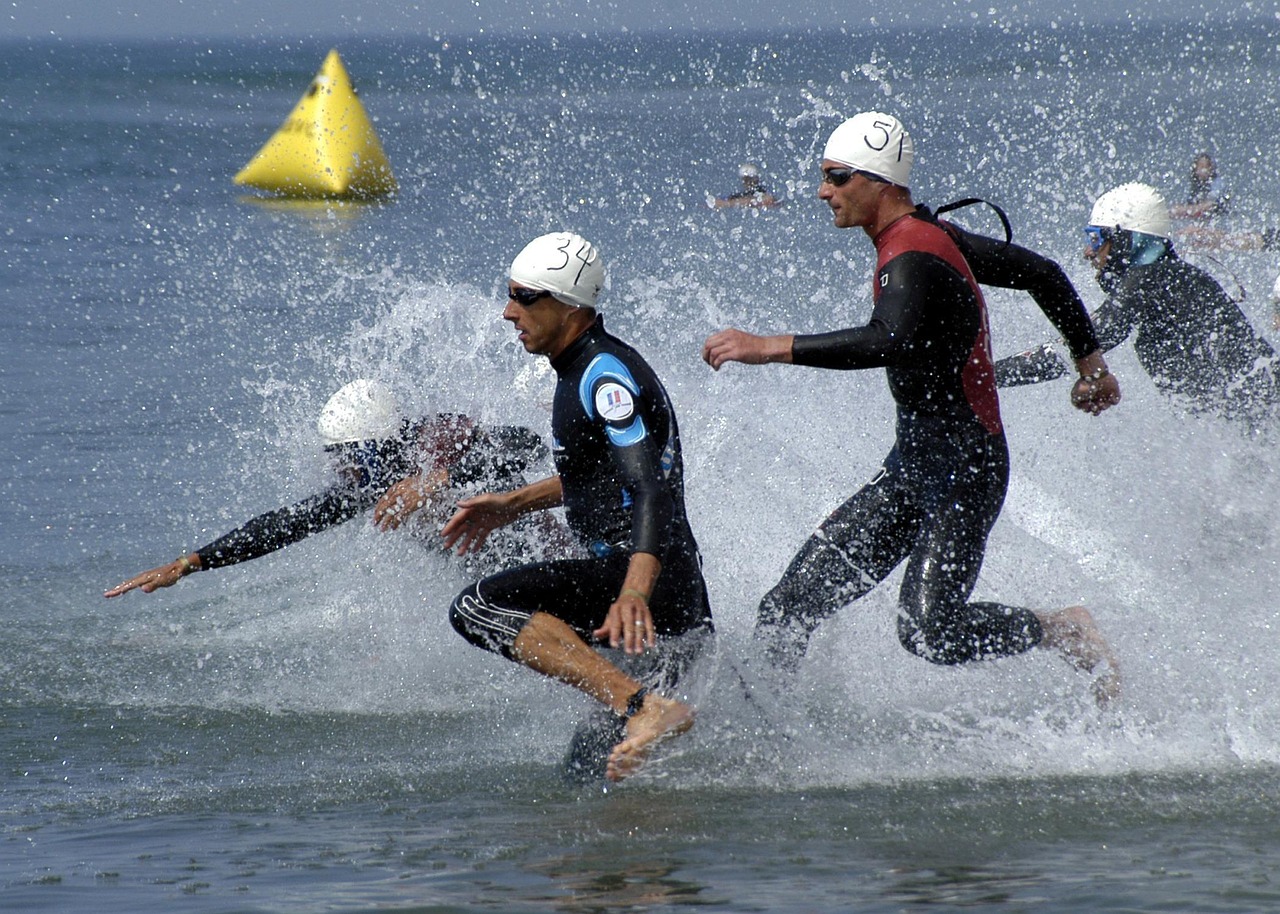

Fueling Strategies for Long Triathlon Endurance Sessions
Fuels and hydration play crucial roles during long triathlon endurance sessions. Athletes should prioritize a balanced intake of carbohydrates, proteins, and fats to meet their energy demands. Carbohydrates are especially vital, as they provide the primary fuel for endurance activities. During training, a proper intake of electrolytes will regulate hydration levels and prevent fatigue. Assessing individual energy needs may involve experimentation, so athletes can find the optimal balance right for their body. Consuming 30 to 60 grams of carbohydrates per hour during workouts can help maintain energy levels. Foods like bananas, energy gels, or sports drinks can be effective sources of carbohydrates. However, remember to balance convenience with nutrition. Practicing fueling strategies during long sessions helps refine methods and integrate them into race conditions. As athletes discover what methods work best for them, they can adjust their plans accordingly. Ultimately, effective nutrition contributes to improved performance and a faster recovery process, leading athletes to achieve their personal best. Remember always to listen to your body and adjust your intake to fit individual requirements throughout training.
Hydration and Electrolyte Balance
Hydration should be a top priority during endurance training sessions. Inadequate fluid intake can lead to dehydration, impairing performance and recovery. A general guideline suggests drinking about 500-700 mL of water or a sports drink per hour of activity. Additionally, one must consider electrolyte balance. During extended sessions, athletes lose essential minerals such as sodium, potassium, and magnesium through sweat. Maintaining proper electrolyte levels helps prevent cramps and supports optimal muscle function. Consider incorporating electrolyte tablets or sports drinks to restore lost electrolytes. It may be beneficial to develop a hydration plan tailored to individual sweat rates and performance goals. Monitoring urine color can be an effective way to assess hydration status; clear urine often indicates proper hydration, while dark urine can signal dehydration. Pre-ride or run hydration is equally important, so ensure to consume fluids ahead of time. Establishing a hydration routine during training will allow athletes to gauge their needs and make necessary adjustments before competition day. Ultimately, finding a balance between hydration and electrolyte replenishment plays a vital role in enhancing performance and achieving success.
In addition to hydration and fueling, post-training recovery nutrition cannot be overlooked. After long endurance sessions, the body’s glycogen stores are depleted, and adequate nutrition is essential for recovery. Consuming a mix of carbohydrates and proteins shortly after finishing a workout optimally replenishes energy reserves and aids muscle repair. Aim for a recovery meal or snack that includes 3:1 or 4:1 carbohydrate-to-protein ratio. This ensures muscles receive the nutrients they require for effective rebuilding. Good examples include a smoothie made with fruits and yogurt, or a sandwich with lean protein. Likewise, staying hydrated following a workout is essential for recovery. Aim for at least 500 mL of fluids, and consider consuming electrolytes if necessary. An effective recovery plan will address both macronutrient needs and hydration, ensuring athletes feel rejuvenated for their next training session. Optimizing post-workout nutrition is crucial in a long-term endurance training strategy. By focusing on recovery nutrition, there is a marked improvement in performance, endurance, and overall well-being, fostering a competitive edge in races.
Pre-race Nutrition
The importance of nutrition leading up to race day cannot be overstated. The final days before a triathlon should prioritize carbohydrate loading, boosting glycogen stores that provide energy during the event. Athletes should focus on consuming complex carbohydrates such as pasta, rice, and sweet potatoes while reducing fat and fiber intake to avoid gastrointestinal discomfort. The last meal before the race should be a balance of carbs and easily digestible protein. Timing is also crucial; aim to consume this meal approximately three to four hours prior to the race. Hydration should be closely monitored in the days leading up to the event to ensure optimal performance. Consider drinking electrolyte drinks as well, which can aid in maintaining fluid balance. Practicing race-day nutrition strategies during training sessions will enhance confidence. It reduces the risk of gastrointestinal distress on race day. Establishing a consistent feeding and hydration plan for race day helps minimize uncertainty. Ultimately, careful attention to pre-race nutrition can lead to improved performance and an overall positive race experience.
During the race itself, refining fueling strategies can make a difference. Incorporate nutrition during the triathlon with energy gels, chews, or small snacks, especially during the bike and run stages to keep energy levels steady. Athletes should practice this during training to develop the best approach to timing and quantity. Aim to consume a small amount of carbohydrates every 30 minutes. Simple, high-glycemic foods like jelly beans, dried fruits, or commercial energy bars can be effective choices. Once more, individual preferences, tolerances, and experiences will guide the right approach. Timing the intake of fluids coinciding with nutrition helps maintain hydration levels. Carry a small water bottle on the bike or run to sip fluids frequently. This promotes consistent hydration without overfilling the stomach. Ultimately, the ideal strategy melds timing and choice of fuel into a personalized plan, maximizing energy availability. Race day is the culmination of hard work, making it crucial to execute fueling plans effectively. Finding this rhythm can be a game-changer for triathletes in achieving optimal performance outcomes.
The Role of Varied Training Sessions
Variety in training is essential for preparing for long triathlon endurance events. Incorporating different modalities such as swimming, biking, and running allows athletes to adapt progressively. Diverse workout types also increase the body’s resilience and overall endurance, translating into better performance in races. Training sessions should include long endurance workouts, tempo sessions, and intervals. These varied workouts test athletes’ energy systems and teach the body how to react under stress. Moreover, practicing fueling strategies across various disciplines helps solidify plans for race day. Athletes should mimic the race intensity and duration during training while implementing their nutrition strategies. Such practice builds familiarity and confidence called upon in competitive situations. Integrating strength training can further benefit endurance capabilities by improving muscle balance, joint stability, and power output. Balance is key; a well-rounded training plan not only emphasizes endurance but also strength and speed. By implementing varied training sessions, athletes pave the way to accomplish endurance goals while also enjoying the training journey. Emphasis on variety ensures preparedness and resilience, which contribute to successful races.
To maximize performance, athletes should also analyze what works best for them through reflection. Maintaining a training journal can enhance awareness, allowing for adjustments based on experiences. Documenting nutrition strategies is equally crucial, providing valuable insights into what boosts energy and sustains endurance. Reviewing this information over time will help identify patterns and refine strategies for improvement. Another effective strategy entails experimenting during training sessions to test various nutrition approaches without the pressure of competition. Making substitutions or modifications to fueling plans enables athletes to tailor their approach. The racing environment often presents unique challenges, making pre-planned strategies paramount. Additionally, discussing experiences with fellow athletes can foster a supportive community where individuals share tips and discoveries. This collaborative learning experience encourages growth and camaraderie, strengthening enduring bonds within the triathlon community. Ultimately, successful endurance training incorporates a blend of preparation, experimentation, and collaboration, enabling athletes to unlock their potential. With each completed session, the journey becomes richer, and the results flourish on race day, leading to unyielding passion for pursuing excellence in long triathlon training.