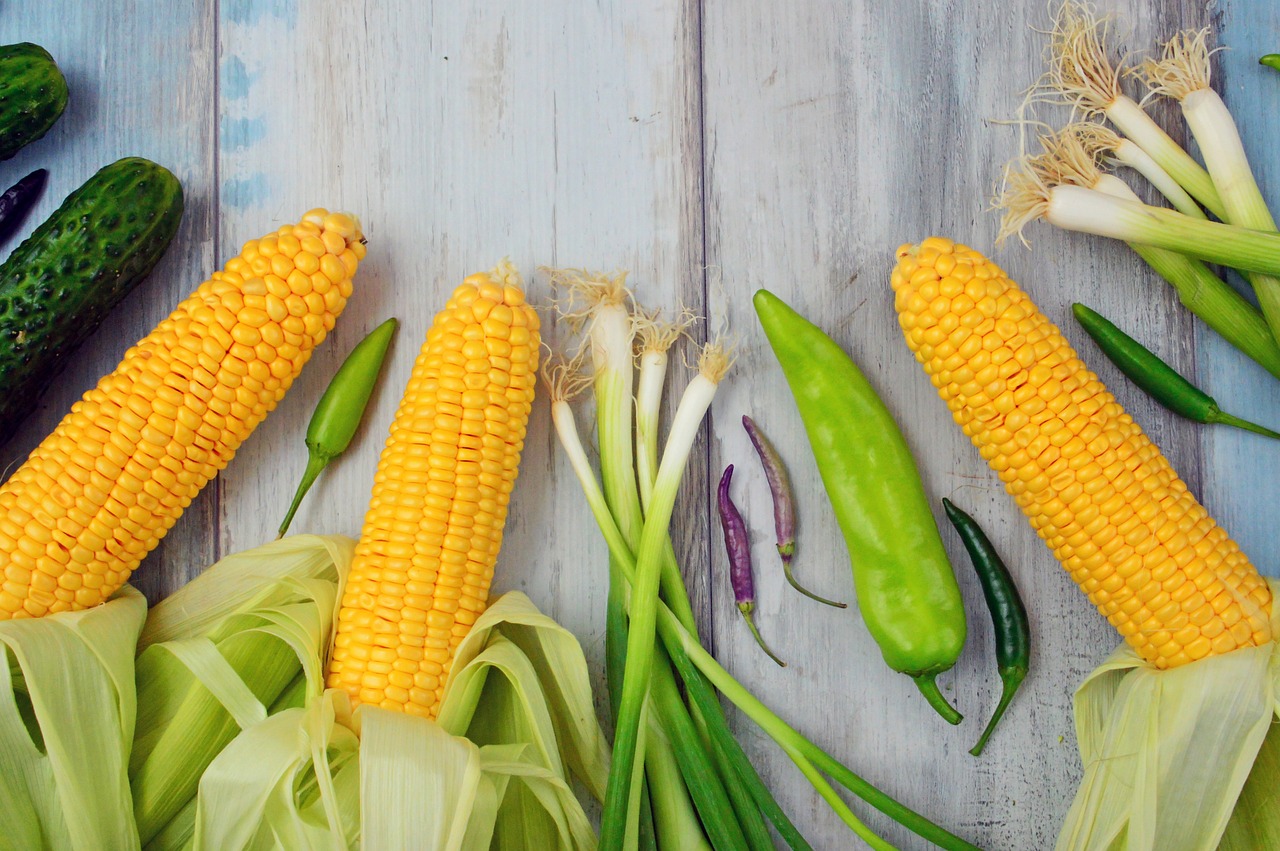

How Fiber-Rich Plant Foods Aid in Weight Loss
Weight loss can often be a challenging journey, requiring both dedication and the right strategies. One of the most effective approaches is incorporating a fiber-rich plant-based diet. Foods high in fiber not only promote satiety, helping individuals feel full longer, but also play a crucial role in regulating digestion. For instance, beans, lentils, and whole grains are excellent sources of soluble fiber. This type of fiber can help you manage hunger by slowing down digestion and stabilizing blood sugar levels, which results in fewer cravings. Moreover, fruits and vegetables are packed with both soluble and insoluble fibers, encouraging overall digestive health. Incorporating a variety of these foods into meals can increase overall nutrient intake and provide a sense of fullness. Natural fiber sources also provide essential vitamins and minerals, which are vital for overall health. Additionally, a fiber-rich diet can enhance gut health by promoting beneficial bacteria in the digestive system, contributing not only to weight loss but improved metabolism. Therefore, embracing plant-based foods rich in fiber is beneficial for effective and sustainable weight management.
The Role of Fiber in Weight Management
When discussing fiber, it’s essential to understand its various types and their unique benefits. Fiber is classified into two main types: soluble and insoluble. Soluble fiber is known for its ability to dissolve in water, forming a gel-like substance that aids in slowing digestion. Foods such as oats, apples, and flaxseeds are rich in soluble fiber. They assist in reducing cholesterol levels and stabilizing blood sugar. On the other hand, insoluble fiber does not dissolve in water and promotes the movement of food through the digestive tract. Sources include whole grains, nuts, and vegetables. This type of fiber helps to prevent constipation and contributes to a healthy gut. A well-balanced diet rich in both types of fiber can facilitate weight management by encouraging a feeling of fullness, thus reducing overall calorie intake. It’s recommended to increase fiber intake gradually and ensure to drink plenty of water to avoid discomfort. Adapting to a fiber-rich diet can make snacking healthier and provide energy without sacrificing enjoyment or satisfaction during meals.
One significant advantage of a high-fiber diet is its impact on metabolic health. Studies have shown that individuals who consume more fiber tend to have lower body weight and reduced waist circumference. Fiber aids in controlling blood sugar levels, thereby minimizing insulin spikes that lead to fat storage. Insulin is a hormone that plays a pivotal role in weight gain and obesity, so managing its levels is crucial. Moreover, fiber helps alter the body’s energy balance by reducing the caloric density of meals. Hence, individuals eat larger portions yet consume fewer calories overall. A high-fiber diet emphasizes whole plant foods, including fruits, vegetables, legumes, and whole grains, contributing to a balanced intake of essential nutrients. Additionally, when fiber-rich foods are consumed, they are often less processed and more nutrient-dense. An effective strategy would be meal prepping or incorporating these foods into everyday dining. Over time, individuals can adapt to a lifestyle where nutritious options replace habitual junk food, making weight loss a natural result of a healthier diet and improved lifestyle choices.
Benefits of Plant-Based Foods
Plant-based foods, particularly those high in fiber, bring a multitude of health benefits, which can outperform some conventional weight loss strategies. Most plant foods are low in calories and contain high water content, making them perfect for weight loss. When including foods such as leafy greens, fruits, and legumes in daily meals, weight management becomes less about restriction and more about finding satisfying, nourishing options. Additionally, these foods often have a lower energy density, which means they offer fewer calories per gram compared to processed foods. Some studies indicate that plant-based eaters tend to consume fewer calories overall while enjoying larger portions. Not only does this lead to weight loss, but it also fosters a plethora of health benefits, such as enhanced heart health, better digestion, and improved mental wellness. Transitioning to a plant-based lifestyle can also be a gradual process, allowing individuals to explore various cuisines and flavors without feeling deprived. Thus, lifestyle changes toward plant-based eating can have lasting effects on body composition and overall wellbeing.
Incorporating a variety of fiber-rich plant foods into meals can be effortless and delightful. Some easy options for breakfast include oatmeal topped with fruits and nuts, or smoothies packed with spinach, bananas, and chia seeds. During lunch, hearty salads with quinoa, chickpeas, and diverse vegetables can provide substantial nutrition and fullness. Dinner can feature dishes such as lentil curry or vegetable stir-fry served with brown rice. Healthy snacks might consist of carrot sticks with hummus, apple slices with almond butter, or a handful of mixed nuts. These simple meal ideas can help meet daily fiber requirements. It’s essential, however, to prioritize whole food sources over processed varieties. Although bars and snacks may market themselves as healthy, they often contain added sugars, unhealthy fats, and minimal fiber. To maximize health benefits, one should focus on preparing meals using whole plant foods. By experimenting with diverse recipes and flavors, they can maintain interest in their diet, enhancing motivation to stick with weight loss goals through healthy eating practices.
Effective Strategies for Transitioning
Transitioning to a plant-based, fiber-rich diet does not need to be overwhelming. Gradually incorporating more whole grains, fruits, and vegetables each week can help ease the transition. Start by substituting one or two meals a week with plant-based options instead of trying to overhaul your entire diet at once. Experimenting with different recipes can lead to enjoyable discoveries, making the dietary change feel less restrictive. Also, teaming up with friends or family members can offer additional support and motivation. Preparing meals together can make healthy eating more enjoyable while emphasizing variety. When dining out, explore vegetarian or vegan options to learn how chefs creatively utilize plant foods. Taking time to read food labels can also be beneficial. Opt for products rich in whole ingredients, especially those containing whole grains, legumes, and higher fiber content. Without strict rules, flexibility is vital in ensuring lasting dietary change is possible. Celebrate small achievements along the way, which can build confidence and motivation, leading to a sustainable and satisfying approach toward weight loss and health improvement.
Finally, maintaining a balanced lifestyle alongside a fiber-rich diet is fundamental for effective weight management. Regular physical activity combined with a plant-based diet encourages not just weight loss, but overall health improvement. Engaging in activities like brisk walking, cycling, or yoga complements the nutritional benefits from fiber-rich foods. Forming a habit of consistent exercise and proper hydration is equally crucial to support weight loss goals. Setting realistic expectations regarding weight loss is also essential; sustainable changes take time. Expecting immediate results often leads to frustration, but keeping a focus on long-term health provides motivation. Regularly tracking progress, whether through journals or apps, can also enhance accountability. Furthermore, celebrate non-scale victories like increased energy levels or improved mood to recognize the benefits of healthy living. Such holistic approaches ensure that the transition to a fiber-rich plant-based diet is smooth and enjoyable. Overall, adopting these principles not only aids in effective weight management but also improves general health, well-being, and quality of life.
In summary, fiber-rich plant foods can significantly aid in weight loss and management through various mechanisms. Their ability to promote satiety, regulate blood sugar, and enhance digestive health makes them invaluable in any effective weight loss strategy. Moreover, transitioning to a plant-based diet does not have to be a daunting task; taking gradual steps, exploring diverse recipes, and finding enjoyment in the process can foster long-lasting changes. The integration of physical activity and maintaining a balanced lifestyle enhances the effectiveness of these dietary changes. Recognizing the relationship between diet and overall wellness will inspire individuals to make conscious choices for their health. With commitment and an open mind, one can experience the multitude of benefits from fiber-rich plant foods, leading to not only weight loss but also improved energy levels, emotional wellness, and a positive relationship with food. Ultimately, the journey toward healthier living becomes about embracing a lifestyle rather than merely achieving a goal. Finding balance, variety, and satisfaction in meals forms the foundation of sustainable habits that empower individuals to thrive on their health journey.