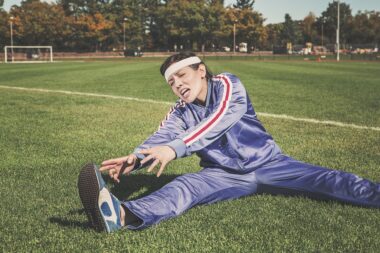

How Flexibility Impacts Power Output in Fitness Competitions
Flexibility is often underestimated when discussing fitness competitions, yet it plays a critical role in determining power output. Improved flexibility allows athletes to achieve greater ranges of motion, thus enabling them to execute their movements more efficiently. When competitors can utilize a full spectrum of movement, they can generate more power in their lifts or actions. This increased power not only contributes to better performance outcomes but also reduces injury risks associated with tight muscles. Flexibility can enhance strength training by facilitating a more effective and safe warm-up routine. Athletes who include mobility exercises in their regimen notice profound differences in their overall capabilities. The integration of stretching and mobility drills creates a comprehensive fitness approach that boosts performance levels. Furthermore, studies show that athletes who possess greater flexibility tend to perform better in various movements, from Olympic lifts to gymnastics routines. Consequently, flexibility training should become a non-negotiable part of every serious competitor’s plan. Athletes who prioritize flexibility can unlock their potential, transforming their performance and competitiveness in the fitness arena. Understanding flexibility’s significance is paramount for aspiring champions.
The Science Behind Flexibility
Flexibility functions at a biological level tied to muscle and joint health, involving the lengthening of muscles and the connective tissues intermixed with them. When training for flexibility, microtears occur, allowing the muscles to rebuild stronger and longer during recovery. This physiological process results in an improved range of motion along with better overall joint functionality. Furthermore, flexibility aids in the prevention of muscular imbalances, which can hinder power output during explosive movements executed in competitions. Athletes with limited flexibility may experience suboptimal lifting techniques, jeopardizing performance. Science has demonstrated multiple mechanisms by which flexibility affects overall strength output indirectly. Enhanced mobility decreases muscle stiffness, allowing for the transfer of force more effectively through the kinetic chain while participating in various sports. Moreover, flexibility positively influences proprioception, an athlete’s awareness of joint positioning and movement. Improved proprioception leads to better coordination and balance, two factors instrumental in enhancing power output. The relationship between flexibility and power is grounded in tangible science, making it crucial for athletes in their training plans. Functional flexibility can elevate performance and assist competitors in optimizing their physical capabilities.
Training programs designed for flexibility should combine various methods such as static stretching, dynamic stretching, and relaxation techniques like yoga or Pilates. These methods encourage muscle relaxation, enhancing one’s ability to perform movements explosively. Yoga, for instance, promotes strength while increasing overall flexibility, improving athletic performance across different domains in fitness competitions. Dynamic stretches specifically target muscle groups pre-competition, preparing the body for explosive actions. Various studies have indicated that routine stretching can enhance muscle recruitment, allowing for the delivery of greater power outputs during high-intensity performances. The effectiveness of such a regimen becomes evident as competitors notice improved athleticism and a reduction in injury flair-ups. A well-rounded flexibility program should cater to both static and dynamic elements. Static flexibility should be targeted post-workout when the muscles are warm and receptive to elongation. This practice supports muscle recovery while preserving the elasticity needed for future workouts. It’s essential for athletes to ensure a progressive increase in flexibility training intensity. Incorporating flexibility routines can ultimately cultivate resilience, enabling athletes to push beyond their limits in competitive environments.
Flexibility and Recovery
Critical to maximizing power output is the relationship between flexibility and recovery, a key aspect often overlooked by athletes. Adequate recovery embraces flexibility training through enhanced blood circulation, which promotes muscle healing after intense workouts. Stretching encourages the removal of metabolic waste while introducing fresh oxygen and nutrients into sore muscles. As a result, athletes recover faster, gaining strength and maintaining high power levels more efficiently. Additionally, individuals engaged in mobility training are more likely to have lower chances of sustaining injuries. Flexibility training remains vital for athletes with high training volumes or those who engage in demanding competition schedules. Neglecting flexibility can lead to stiffness, hampering mobility and ultimately power output. Implementing post-workout stretching routines can significantly impact one’s ability to recover effectively, contributing to long-term performance improvements. Athletes often report decreased muscle soreness and improved joint function when incorporating flexibility practices into their recovery protocols. Moreover, the mental benefits of enhanced relaxation through stretching methods cannot be undervalued. Thus, flexibility training should be seen as a luxury but instead embraced as a necessity for optimal recovery and sustained peak performance.
Beyond enhancing physical attributes, flexibility also plays a significant role in mental preparedness for competitions. Athletes who regularly engage in flexibility training often experience reduced levels of stress and anxiety. The integration of breathwork into stretching routines promotes not only physical benefits but also mental clarity. Competing in fitness events can evoke nervousness, but the grounding techniques cultivated through flexibility sessions prepare competitors to better manage these feelings. Additionally, being in a calm mental state enhances focus, enabling athletes to better execute their planned movements with precision. Successful athletes know the importance of mental and physical synergy; flexibility training helps bridge these two facets. Athletes can perform tasks more smoothly and with reduced distraction during competitions. Increased flexibility also fosters confidence, as individuals feel more capable of expressing their physicality without constraint. This psychological advantage can be a game-changer in competitive settings where mental fortitude is equally as crucial as physical prowess. By addressing mental health through flexibility practices, athletes create a holistic approach to competition readiness. As a result, embracing flexibility training becomes essential for a complete competitor in fitness challenges.
The Role of Coaching in Flexibility Training
Coaching plays a pivotal role in integrating flexibility training into an athlete’s overall regimen. Coaches must understand how flexibility influences performance and guide their athletes accordingly. A well-informed coach develops tailored programs that meet the unique needs of each competitor. However, simply advocating for flexibility is not enough; it requires smart implementation. Coaches need to monitor athletes’ progress and assess flexibility training’s impact on their power output consistently. Emphasizing the importance of recovery days and mobility work in training programs fosters an environment conducive to maximizing both flexibility and performance. Set up specialized sessions dedicated solely to flexibility to ensure focus on these critical areas. Furthermore, coaches can facilitate educational workshops about the benefits of flexibility for athletes. Incorporating flexibility routines into warm-ups and cooldowns ensures that athletes are always factoring flexibility into their training. Consistent reminders about stretching methods and posture improve overall athleticism and performance outcomes. Coaches who prioritize flexibility will see their athletes thriving in competition. Ultimately, informed coaching can unlock the full potential of athletes, driving them toward excellence in their respective fields.
In conclusion, flexibility is an integral component of fitness competitions, significantly influencing power output, recovery, mental well-being, and overall performance. Understanding the science underlying flexibility enables athletes to develop targeted training programs that encompass stretching, mobility work, and flexibility routines. When athletes prioritize flexibility, they not only experience enhanced performance levels but also minimize the risk of injury, allowing them more consistent training sessions. Coaches should be proactive in implementing flexibility strategies that recognize their athletes’ specific needs. Furthermore, mental preparedness facilitated by flexibility training enhances focus and confidence during competitions. Successful fitness competitors ultimately embody a synergy between physical capabilities and mental fortitude. The benefits of flexibility stretch far beyond just physical performance; they encompass emotional and mental health as well. As such, athletes must include flexibility training as a non-negotiable part of their regimen. This commitment to flexibility will bear fruit during competitions, enabling athletes to truly reflect their hard work and dedication. Adopting a holistic approach toward flexibility can set competitors apart, elevating them to new heights within fitness competitions as they harness their full potential.
Flexibility is often underestimated when discussing fitness competitions, yet it plays a critical role in determining power output. Improved flexibility allows athletes to achieve greater ranges of motion, thus enabling them to execute their movements more efficiently. When competitors can utilize a full spectrum of movement, they can generate more power in their lifts or actions. This increased power not only contributes to better performance outcomes but also reduces injury risks associated with tight muscles. Flexibility can enhance strength training by facilitating a more effective and safe warm-up routine. Athletes who include mobility exercises in their regimen notice profound differences in their overall capabilities. The integration of stretching and mobility drills creates a comprehensive fitness approach that boosts performance levels. Furthermore, studies show that athletes who possess greater flexibility tend to perform better in various movements, from Olympic lifts to gymnastics routines. Consequently, flexibility training should become a non-negotiable part of every serious competitor’s plan. Athletes who prioritize flexibility can unlock their potential, transforming their performance and competitiveness in the fitness arena. Understanding flexibility’s significance is paramount for aspiring champions.