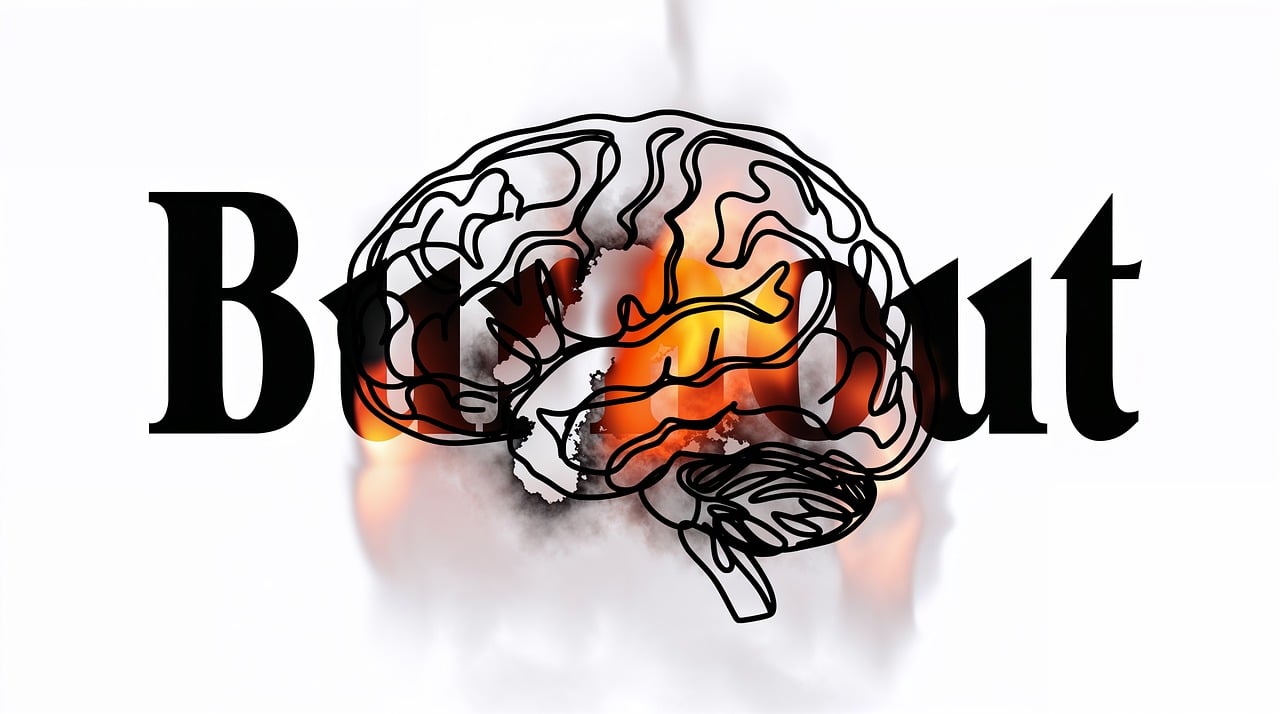

How Mental Fatigue Affects Injury Recovery
Recovery from injury can be a complex process, influenced not just by physical factors, but significantly by psychological aspects. Mental fatigue, often stemming from long rehabilitation sessions or emotional stress related to injury, may hinder progress. Recognizing the signs of mental fatigue, such as decreased concentration, irritability, or lack of motivation, can be important for both patients and practitioners. This fatigue can impact an individual’s ability to adhere to rehab programs and may result in suboptimal recovery outcomes. Therefore, psychological support is essential in facilitating the healing process. Physical therapists and psychologists should work collaboratively to provide holistic care, addressing both physical and mental needs. One key outcome of understanding mental fatigue is the incorporation of breaks and mental rest periods in rehabilitation routines. By managing mental fatigue effectively, patients may improve their rehabilitation adherence and overall recovery rate. In addition, implementing mindfulness and relaxation techniques can greatly enhance an individual’s coping strategies. Ultimately, attention to mental fatigue is vital for anyone undergoing rehabilitation, ensuring they receive the comprehensive support necessary for a successful recovery.
Understanding how mental fatigue affects injury recovery can help athletes and individuals recover more efficiently. A common misconception is that physical healing is the only concern during rehabilitation. The psychological component plays an equally critical role. Athletes often report feeling overwhelmed, anxious, or depressed as they navigate their recovery. This emotional burden is compounded by the pressures of returning to competition and performing at previous levels. As a consequence, mental fatigue can stymie progress, leading to greater physical limitations. Adverse consequences include increased pain perception, lower motivation levels and a cycle of frustration. Therefore, mental health must be prioritized in recovery practices. Communication amongst therapists, athletes, and mental health professionals becomes key. Implementing tailored psychological strategies, such as cognitive behavioral therapy, can empower individuals, allowing them to recognize and manage their feelings of fatigue. These interventions help build resilience, focusing on the importance of a balanced approach to recovery. Moreover, addressing mental fatigue creates a more favorable environment for physical focus and accomplishment during rehabilitation exercises. A well-rounded approach can significantly enhance an athlete’s quality of life, ultimately ensuring a happier and more successful return to sport.
Strategies to Combat Mental Fatigue
The implementation of various strategies to combat mental fatigue can be essential in enhancing recovery from injury. Simple changes often yield significant results. Establishing a structured routine creates a sense of normalcy and predictability which is crucial for mental health. Engaging in light relaxation exercises or yoga helps individuals disconnect from intense rehabilitation regimens, offering mental breaks. Social support, too, is an essential element; connecting with friends and family creates a network of encouragement that combats isolation brought on by injury. Encouraging open dialogue about feelings of frustration or anxiety with support systems can lead to effective coping strategies. Mindfulness techniques are increasingly recognized for their beneficial effects, helping to focus on the present moment while effectively managing racing thoughts. Encouraging journaling as a form of expression can allow individuals to articulate their trials and tribulations. Setting achievable goals during rehabilitation, both physical and psychological, may also serve to keep spirits high and promote sustained effort. Other complementary therapies such as art or music therapy can stimulate positive emotions, easing the burden of mental fatigue while making the rehabilitation process enjoyable.
Recognizing the seriousness of mental fatigue’s impact on injury recovery can help clinicians employ a more integrated approach. This entails routine assessments not only of physical recovery but also of psychological well-being. Recommending regular mental health check-ins during the rehabilitation journey creates an avenue for athletes to express their challenges, thereby giving therapists vital information for better treatment planning. Training programs for therapists can further enhance this process, providing them with tools for identifying mental fatigue early. Integration of multi-disciplinary teams such as sports psychologists and nutritionists contributes to creating tailored recovery programs addressing both body and mind. Additionally, fostering a positive environment encourages athletes to take control of their mental health, allowing them to emerge stronger from their experiences. Sensitizing peers and team members about the importance of mental well-being can create a community that actively supports recovery. By integrating physical rehabilitation practices with psychological support, practitioners can establish a more cohesive recovery process that ultimately benefits the injured individual. Such a comprehensive focus fosters not only recovery but also long-term mental resilience that significantly aids in reducing the chances of future injuries.
Conclusion: The Importance of Mental Health in Recovery
In conclusion, the influence of mental fatigue on injury recovery should not be underestimated. Athletes and patients alike must take their mental well-being as seriously as their physical recovery regimen. It is crucial for recovery strategies to incorporate mental fatigue assessment, enhancing the overall support provided in rehabilitation. Mental health professionals can equip individuals with coping skills, fostering an understanding of how thoughts and emotions affect physical performance. Empowering athletes to advocate for their mental health aligns with holistic recovery practices. Encouraging the recognition of mental fatigue among therapy teams cultivates proactive management of these psychological aspects. Furthermore, utilizing resources for mental health, such as workshops or support groups, allows individuals to share their experiences, building community resilience. As our understanding of psychological aspects of rehabilitation deepens, the integration of mental and physical recovery will pave the way for more enhanced rehabilitation outcomes. Ultimately, the goal of recovery is to return individuals to their desired activity levels without compromising their mental health, emphasizing the need for a well-rounded approach to rehabilitation.
Implementing these strategies helps in not only addressing mental fatigue but also in enhancing overall recovery outcomes. Patient education on the importance of psychological health is essential. Creating opportunities for discussion about mental fatigue encourages a two-way dialogue between therapist and patient, fostering a culture of openness. This can lead to the identification of early signs of fatigue, allowing timely interventions. Enhanced focus on recovery goals helps individuals stay motivated, while exploring feelings of fear or self-doubt assists them in confronting these issues head-on. Engaging in peer-support networks provides a platform for sharing experiences, helping individuals not feel alone in their recovery journey. Educational resources, including articles and training materials specifically addressing mental health, should be provided to patients. Establishing clear communication strategies strengthens relationships between therapists and patients, creating a collaborative atmosphere essential for successful rehabilitation. Additionally, mental health professionals must emphasize the importance of balancing physical exertion with mental well-being. Continuous evaluation of recovery plans allows for modifications based on individual progress, ensuring that both physical and psychological needs are met. By acknowledging the multifaceted nature of recovery, patients and professionals can work jointly to build resilience that supports long-term success.
As the understanding of mental fatigue’s role in injury recovery broadens, it becomes evident that comprehensive approaches are integral to rehabilitation success. Collaboration between medical experts, athletes, and psychologists will lead to more effective treatment plans that prioritize psychological welfare alongside physical rehabilitation. Future research should continue to explore the depth of this relationship, providing data that can inform best practices moving forward. Enhanced training for therapists in recognizing and addressing psychological aspects will create a more supportive environment for recovery. Additionally, incorporating technology, such as mobile applications designed to improve mental well-being, may present innovative avenues for rehabilitation. These tools can help track mood, offer mindfulness exercises, and connect users with mental health professionals. Personalizing rehabilitation programs based on both physical and psychological needs fosters resilience and empowers patients. Improved awareness and regular monitoring of mental fatigue can result in more favorable recovery timelines and outcomes, proving beneficial for both individuals and the healthcare system. Emphasizing mental health can shift the paradigm of rehabilitation towards a more holistic framework, where the complete individual is supported in their journey towards recovery and optimal performance.
Ultimately, integrating the acknowledgment of mental fatigue into injury recovery practices is crucial for enhancing rehabilitation outcomes. Injury recovery can be an emotionally taxing experience, and mental fatigue can play a cathartic role in this process. By focusing on emotional resilience and equipping patients with appropriate coping mechanisms, healthcare providers and therapeutic teams contribute to improved patient experiences. Mental health must be treated on par with physical health to ensure complete rehabilitation. Comprehensive programs that address both components can position individuals for successful recoveries while reducing the chances of long-term psychological impacts. Establishing support systems—whether through therapy sessions, community meetings, or online forums—helps athletes understand they are not isolated in their experiences. Effective recovery promotes a positive outlook that can bolster motivation for adhering to rehabilitation protocols. It’s essential that therapists prioritize continuous mental well-being checks alongside physical assessments. In doing so, they can create a dynamic and responsive rehabilitation environment. By recognizing and addressing mental fatigue, the rehabilitation process can transition from a strenuous obligation to a proactive journey, fostering growth, resilience, and ultimately, success in overcoming injury.