
Relaxation Meditation for Stability and Coordination
Finding moments of stillness is essential for enhancing both stability and coordination. Relaxation meditation can serve as an effective tool for developing these skills, which are vital in many aspects of life, from sports performance to daily activities. By incorporating regular meditation practices into your routine, you can witness an improvement not only in your mental clarity but also in your physical coordination abilities. This improvement stems from strengthening the mind-body connection, allowing for quicker responses and smoother movements. As you practice relaxation meditation, focus on your breath to anchor your thoughts and bring awareness to your body. During each session, visualize your movements flowing effortlessly, creating harmony between mind and body. This visualization aids in building familiarity with your body’s capabilities, enhancing your sense of balance. Meditation also reduces anxiety, which can hinder performance. Less anxiety means better focus and coordination. Leading a meditative lifestyle doesn’t just benefit athletic performance; it enriches life overall. You cultivate patience and resilience, crucial attributes for navigating challenges, thus promoting stability in your mental and physical pursuits.
One powerful technique within relaxation meditation involves practicing mindfulness. Mindfulness encourages you to be present, heightening your awareness of bodily sensations and movements. By tuning into your physical state, you become more connected with your body, greatly enhancing your inherent balance and coordination. This awareness allows you to assess your posture, weight distribution, and muscle tension. Therefore, integrating mindfulness into your meditation practice serves as a foundation for improving coordination. To begin, find a quiet space and sit comfortably. Close your eyes and take a deep breath, focusing solely on your inhalations and exhalations. Gradually bring attention to different areas of your body, consciously relaxing any tense muscles. As thoughts arise, acknowledge them without judgment, then return to focusing on your breath and body sensations. Regular practice fosters a greater understanding of how movement feels in your muscles and joints, ultimately enabling you to perform various actions with grace. As your mindfulness grows, activities like dancing, walking, or engaging in sports can feel more fluid. You may find previously challenging exercises become simpler and more enjoyable, reflecting how meditation enhances your physical capabilities.
The Role of Visualization in Meditation
Another vital component of relaxation meditation is visualization. Visualization is the practice of creating vivid mental images to influence your physical abilities positively. This technique is particularly beneficial for enhancing coordination. When you visualize, imagine yourself performing specific movements or activities you want to master with fluidity and precision. This could be anything from a yoga pose to a complex sport maneuver. As these images form in your mind, focus on the feelings associated with these movements, including grace and confidence. The brain interprets these visualizations similarly to actual practice, reinforcing neural pathways responsible for your physical abilities. Consequently, your coordination improves as your mind creates a clearer picture of how to execute various tasks. To incorporate visualization into your meditation, set a specific intention for your practice, like improving your coordination for an upcoming event. Dedicate time to envision yourself succeeding in that event while navigating movements smoothly. The more vividly you can imagine this success, the more likely it is to manifest in reality as your brain acclimates to these positive images.
Breathing techniques also play a crucial role in meditation aimed at improving coordination. Controlled breathing methods can help calm the mind and enhance body awareness. Engaging in deep, diaphragmatic breathing allows for better oxygen flow, which is crucial during physical activities. Further, focusing on your breath during meditation creates a rhythm that can mirror the movements you’ll perform in everyday life. This rhythmic breathing promotes relaxation, preventing muscle tension that can disrupt your coordination. Try incorporating the 4-7-8 breathing technique during your meditation sessions. Inhale through your nose for a count of four, hold for seven seconds, and exhale through your mouth for eight counts. This technique not only calms your nervous system but also creates a deeper connection to your body’s movements. By practicing this type of breathing, you can develop a steady heart rate, which is essential for maintaining balance and stability during execution of various tasks. As you practice both meditation and these breathing techniques, you’ll discover a newfound ability to control your body and movements with ease and grace in your daily life.
Integrating Meditation into Daily Life
In order to fully benefit from relaxation meditation, it’s essential to integrate it into your daily life. Establishing a consistent routine ensures that meditation becomes a natural part of your lifestyle, significantly enhancing its effectiveness. Start small, dedicating just five to ten minutes each day to your practice. Over time, as you become more comfortable, gradually increase this duration. Consistency lies at the heart of building lasting benefits. Consider creating a dedicated meditation space in your home that fosters relaxation and peace. Whether it’s a comfortable chair or a corner of your bedroom, an inviting space encourages you to meditate regularly. Also, find a time that works best for you, whether it’s in the morning to prepare for the day or at night to unwind and reflect. Additionally, explore various meditation styles to find the one that resonates with you. Some may prefer guided meditations, while others thrive in silence, so experiment until you discover what helps you reach your state of relaxation most effectively. Incorporating meditation into your routine can lead to a more balanced, centered life, resulting in improved coordination.
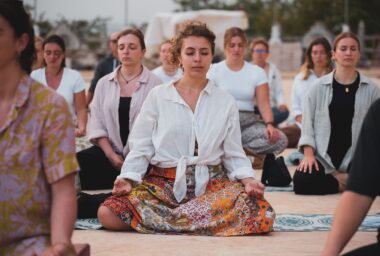
Many people find community support beneficial for their meditation journey. Engaging with like-minded individuals can provide encouragement and motivation to maintain a consistent practice. You can join local meditation groups or explore online platforms offering virtual classes to deepen your understanding of relaxation techniques. Additionally, sharing experiences with others can enhance your practice tremendously. Through this collaboration, you may learn new techniques to improve coordination or discover personalized approaches that work well for others, adding variety to your meditation regimen. Furthermore, participating in group meditations can elevate your experience through shared energy and intention. As a community, participants can hold each other accountable, discuss insights gained, and celebrate progress. This camaraderie fosters a positive atmosphere that can greatly enhance your journey towards improved stability and coordination. Taking time to connect with others also brings an additional social aspect to meditation, making the practice more enjoyable. Consistently participating in these groups can lead to long-lasting friendships, in addition to benefitting your meditation practice. Connecting with others fosters motivation and creates lasting bonds that can support you in your journey of personal growth.
Conclusion and Ongoing Support
Ultimately, relaxation meditation offers profound benefits for enhancing balance and coordination in your life. With regular practice, you can build greater awareness of your body and mind, leading to improved performance in physical tasks. By embracing relaxation meditation, you’ll notice that your coordination and stability improve gradually over time. Just maintaining patience during your journey is crucial. As with all personal growth paths, it requires dedication and persistence. Remember to start with small, manageable sessions and gradually increase your practice’s frequency and duration, adapting it to fit your lifestyle. Additionally, incorporate visualization techniques and mindful breathing to maximize the benefits. Ensure you engage with community support, exploring group classes to foster growth and development further. Make meditation a consistent part of your daily life and embrace the calming effects it offers, contributing to enhanced coordination and stability in your physical practice. Sharing your journey with others not only enriches your experience but creates lasting support from like-minded individuals. Ultimately, meditation can transform your life by providing stability in movement and enhancing coordination in everything you do.
If you’re ready to embark on this journey, begin today. Gather your intent and set aside time for a relaxing meditation session that cultivates peace and improves balance. Over time, let go of frustrations and engage in this process wholeheartedly. Allow yourself to be present, embrace both successes and setbacks, and celebrate your progress on this transformative path. With every session, you’ll grow more in touch with your body, your movements, and your overall sense of balance. Thus, meditation can become a valuable ally in the development of your coordination. You will find that effortless movements start becoming a reality as you navigate through life’s challenges with newfound skills and increased self-awareness. So, take this leap, prioritize your meditation practice, and cultivate stability and coordination in order to elevate your daily life experiences. The commitment lies in your hands, and the rewards are immense. Begin today, and transform your life through the power of relaxation meditation!