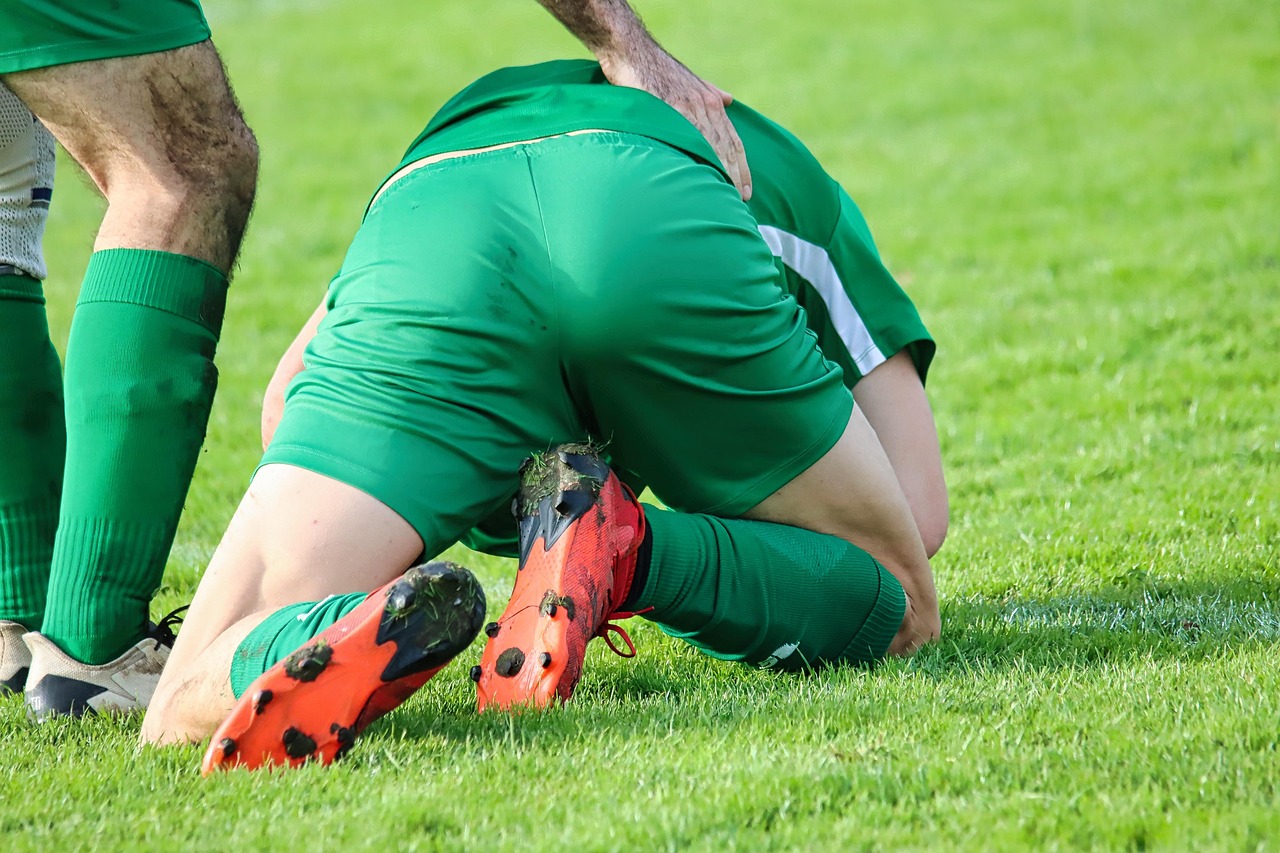

The Science of Tendon and Ligament Injuries
Tendons and ligaments are crucial components of the musculoskeletal system, connecting muscles to bones and stabilizing joints, respectively. Injuries to these structures can lead to significant pain, dysfunction, and reduced athletic performance. Common tendon injuries include tendinitis and tendon tears, while ligament injuries often manifest as sprains. Understanding the mechanisms and risk factors behind these injuries is essential for effective prevention and management. Genetics, training errors, and overuse are all contributors. Additionally, specific sports pose unique risks due to their dynamic movements. Athletes must pay attention to their body’s signals and seek professional guidance when needed to avoid serious injuries. Rehabilitation plays a critical role in recovery, allowing athletes to return to their previous levels of performance safely, minimizing the chances of reinjury. Modalities such as strength training, agility exercises, and stretching can enhance total fitness and support recovery. In the realm of sports science, incorporating these insights can aid in crafting personalized injury prevention programs that are essential to athletes at all levels. Education regarding proper techniques and warm-up routines can also significantly contribute to reducing injury risk.
Understanding the anatomy of tendons and ligaments is fundamental to grasping injury mechanisms. Tendons are composed of dense connective tissue, mainly collagen, which provides strength and elasticity. Ligaments, while also composed of collagen, have a different structure that allows for greater tensile strength. Their primary role is to stabilize joints and restrict excessive movement. Injuries may occur suddenly or develop over time due to repetitive stress. Symptoms of tendon injuries often include localized pain, swelling, and impaired mobility. On the other hand, ligament injuries may present with swelling, bruising, and instability around a joint. A thorough clinical evaluation, including imaging techniques like MRI or ultrasound, is often necessary for accurate diagnosis. Early intervention is crucial to avoid complications, including chronic conditions or surgical interventions. Treatment protocols generally emphasize rest, ice, compression, and elevation (RICE) for acute injuries. Additionally, non-steroidal anti-inflammatory medications may provide relief. With appropriate care plans, most athletes can expect a return to their pre-injury conditions. Further comprehensive study into the biological healing of these structures is ongoing, and advances in cellular therapies show promise for enhancing recovery processes.
Prevention Strategies
Preventing tendon and ligament injuries is vital for longevity in sports participation. A variety of strategies can bolster an athlete’s ability to avoid injury. These include proper conditioning, technique training, and the use of appropriate equipment. Furthermore, using footwear tailored to the specific Sport can significantly decrease the risk of injuries. A well-structured warm-up routine that incorporates dynamic stretching prepares the body for intense activity. Cool-down stretches should follow workouts to help maintain flexibility and prevent stiffness. Athletes should also incorporate cross-training activities into their regiment, diversifying the muscle groups utilized and allowing for recovery. Regular strength and flexibility training are essential components of injury prevention. Engaging with qualified strength and conditioning coaches can ensure athletes are following effective protocols and utilizing safe practice methods. Athletes must also recognize the importance of rest and recovery time, as overtraining can lead to exhaustion and increased injury risk. Every injury carries the potential for future complications, emphasizing the need for diligent participation in prevention programs. Evidence supports that athletes prioritizing these strategies typically experience fewer injuries and a more enjoyable sports experience over time.
Once injuries occur, individualized rehabilitation plans are essential for a successful recovery. Rehabilitation may entail a combination of physical therapy, strength training, and functional exercises tailored to the specific injury and athlete’s goals. Physical therapists play an integral role in establishing these plans, ensuring gradual progression from basic exercises to more complex movements. Emphasis is often placed on restoring range of motion, alleviating pain, and strengthening surrounding muscle groups. Return-to-play protocols should be strictly followed to prevent premature reinjury. Notably, psychological factors such as fear of reinjury can hinder recovery. Therefore, mental preparedness should be incorporated into rehabilitation programs. Motivational strategies and mental imagery techniques can be utilized to enhance confidence during recovery. New technology, including biomechanical assessments and wearable devices, serves to track progress throughout the rehabilitation process effectively. This data can offer insights into an athlete’s performance and readiness to return to play. Engaging in community support may positively influence emotional resilience during rehabilitation. Collaboration among trainers, medical staff, and athletes is vital to creating an environment conducive to successful healing and performance restoration after an injury.
Advances in Research
The field of sports science continually evolves, particularly regarding understanding and managing tendon and ligament injuries. Recent studies are exploring innovative treatments that extend beyond traditional approaches. For instance, platelet-rich plasma (PRP) therapy has garnered attention due to its potential to expedite healing through regeneration mechanisms. Additionally, stem cell therapy is emerging as a fascinating avenue to promote tissue repair and restore functionality post-injury. Researchers are investigating how these treatments can be effectively integrated into rehabilitation protocols to maximize their efficacy. The use of biomechanical analysis aids in refining training techniques that reduce the risk of injuries. Understanding an individual athlete’s biomechanics can tailor prevention programs that consider their unique movement patterns. Furthermore, the role of nutrition in injury prevention and recovery is gaining importance. Specific nutrients such as omega-3 fatty acids and antioxidants may play significant roles in optimizing healing processes. Science is also scrutinizing the emotional aspects of recovery, examining how mindset influences rehabilitation outcomes. Overall, ongoing research fosters advancements in injury management, paving the way toward enhanced athlete health and performance sustainability in competitive sports.
In conclusion, tendon and ligament injuries represent a significant concern within the sports community, necessitating careful attention to prevention and management strategies. Athletes must acknowledge the importance of understanding how these injuries develop while engaging in physically demanding activities. The integration of scientific insights into training and rehabilitation can lead to improved health outcomes and performance longevity. Collaboration among athletes, coaches, medical professionals, and researchers is essential for creating an environment that values prevention and recovery. Tailored programs that factor in individual biomechanics, training loads, and psychological readiness foster resilience among athletes. Ultimately, a proactive approach will support sports professionals both in preventing injuries and facilitating effective rehabilitation. Participation in regular educational sessions creates awareness about common injuries and effective management strategies. Educational resources in sports science continue to develop, guiding coaches and athletes in mitigating injury risks. Understanding and engaging with these developments establishes a foundation for athletic performance and safety. Future studies must continue to investigate emerging therapies and holistic approaches to streamline injury prevention. By prioritizing these practices, athletes can enjoy sustained participation in their chosen sports and reduce the likelihood of debilitating injuries.
Final Thoughts on Athlete Care
The care and well-being of athletes hinge on informed practices concerning tendon and ligament injuries. Athletes are encouraged to prioritize their health through education and proactive strategies. The role of coaches is to support athletes by implementing injury prevention techniques and fostering environments that encourage dialogue about health. Creating a culture of awareness helps demystify injuries and reduces the stigma surrounding them. As sports evolve, the integration of science will play an even larger role in shaping athlete care. Emphasis on recovery and mental health signifies an emerging understanding of the intricate interplay between physical and psychological well-being. Athletes, trainers, and medical professionals must work collaboratively to redefine success, emphasizing collaboration over competition. Future innovations in therapy and training will inevitably influence the landscape of sports. As the science surrounding injuries progresses, so too should the practices surrounding athlete care. Ultimately, the goal is to ensure that athletes thrive in their pursuits, enabling them to perform at their best while safeguarding their long-term health. The passion for sports combined with scientific understanding creates pathways to better injury management and overall athlete safety.
Overall, the journey of understanding tendon and ligament injuries remains ongoing. Each new study enhances the existing body of knowledge while solidifying the importance of sports science in athlete well-being. As awareness grows, so should the commitment to injury prevention and management. Working towards a future where every athlete enjoys sustained participation and success illustrates the collective responsibility of all involved in sports. Progress relies on continuous education, research endeavors, and willingness to implement changes highlighted by emerging findings. Employing scientifically backed methodologies will lead to enhanced training and rehabilitation protocols. Interactive workshops can enrich understanding across various levels, fostering environments conducive to learning. Furthermore, community-based programs should promote healthy lifestyles while encouraging participation in sports. Building future athlete resilience requires collaboration between educators, scientists, and sports organizations, establishing comprehensive support systems. This multifaceted approach bolsters injury prevention efforts while promoting collective well-being among athletes. As we embrace the scientific nuances of tendon and ligament injuries, we lay the groundwork for a healthier, more resilient sporting community, driving future athletes toward success without compromising their health in the process. Thus, we remain optimistic for what lies ahead in athletic care and performance optimization.