
Whitewater Rafting Techniques: Paddling Skills for Beginners
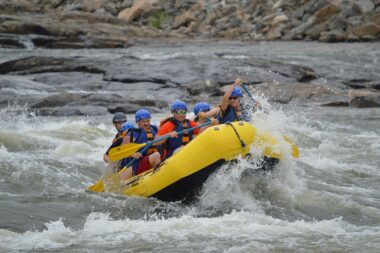
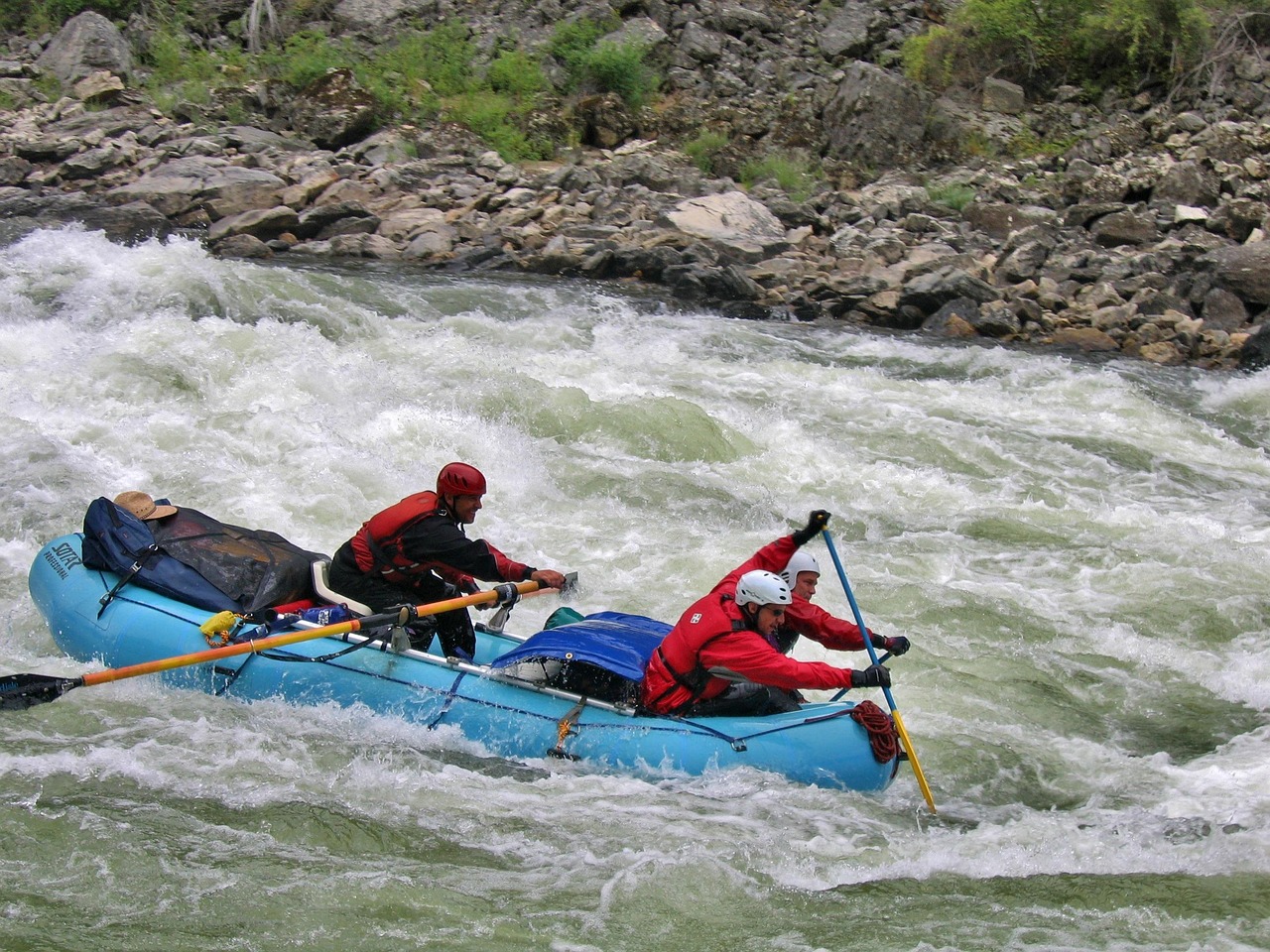
Whitewater rafting is an exhilarating outdoor adventure sport that requires specific techniques to ensure both safety and enjoyment on the water. Beginners must start by learning the essential paddling skills that form the foundation for navigating various water conditions. Key among these skills is the proper grip on the paddle. Holding the paddle correctly ensures better control and power. The grip should be firm but relaxed, allowing for quick adjustments without exhausting the hands. Another crucial skill involves learning to synchronize paddling with teammates. In rafting, moves are often coordinated to change direction effectively or to navigate safely through rapids. Communication becomes vital in this context. Each participant must understand the commands issued by the guide or captain. Additionally, beginners should practice basic strokes, including the forward stroke, reverse stroke, and sweep stroke. Each stroke serves a unique purpose, like moving forward, slowing down, or turning the raft. Combining these abilities results in a smoother and more efficient travel experience across the water. Ultimately, mastering these techniques sets the stage for a more rewarding and safe rafting adventure.
Getting familiar with the types of whitewater is also essential for beginners aiming to improve their paddling skills. Various classifications range from Class I, which denotes flatwater, to Class VI, signifying extreme, dangerous rapid conditions. Understanding these levels helps in selecting the right river for practice and ensures that beginners do not overestimate their abilities. Beginners should start with Class I or II rapids to develop confidence and basic techniques. Next, they can gradually progress to more challenging waters as their skills develop. Physical conditioning should not be overlooked. Rowing in conjunction with aerobic exercises improves strength and stamina, which are crucial for managing the demands of whitewater rafting. Learning how to read the water assists paddlers in anticipating hazards, discovering optimal paths through the rapids, and reacting to changing conditions efficiently. In addition to stroke practice, employing different paddling techniques tailored for various speeds and river features enhances overall maneuverability and safety. Furthermore, taking the time to observe fellow paddlers allows beginners to learn alternative strategies and refine their own techniques, leading to continuous skill improvement throughout their rafting adventures.
Essential Safety Techniques for Beginners
Safety in whitewater rafting is paramount, especially for beginners. Understanding safety techniques goes hand-in-hand with developing paddling skills. For instance, wearing a properly fitted personal flotation device (PFD) is mandatory when on the water. The PFD provides buoyancy in case of accidental falls into the river. Likewise, a correctly adjusted helmet shields the head from bumps and sharp objects, enhancing overall safety. Beginners should also learn to recognize potential hazards like rocks, swift currents, and other obstacles. Planning for a swim is advisable, as capsizes can occur suddenly. Knowing how to swim effectively, especially in moving water, is vital. The river’s current can complicate swimming back to the raft, so learning to ‘swim defensively’—by floating and steering feet-first—can be lifesaving. Additionally, teams must establish clear communication protocols to enhance coordination, such as using signals for paddling harder or stopping. Regular practice of these safety techniques, simulations, and drills aids in preparation for real situations on the water. Over time, these elements contribute to building an overall culture of safety within the team, maximizing enjoyment while minimizing risks associated with whitewater rafting.
Another vital aspect of enhancing whitewater rafting experience involves teamwork. Collaborating effectively with fellow paddlers ensures that everyone remains aligned with each other during the course of the journey. A well-coordinated team can navigate rapids smoother and more effectively than individual paddlers. Beginners should practice team paddling techniques. Establishing a rhythm during paddles can significantly improve a raft’s handling, allowing for swift adjustments while traversing obstacles. Furthermore, developing trust among team members is essential; this can be cultivated through shared experiences and practice sessions. New paddlers should engage in team-building activities to strengthen rapport both on and off the water. Additionally, learning how to position oneself within the raft can affect performance. For example, front placements are excellent for weight distribution and steering, while back positions offer better control during swift maneuvers. Lastly, team members should clearly designate a leader or guide responsible for decision-making. Having one person directing the flow of paddling eliminates confusion while reinforcing the importance of good communication. Practicing these teamwork strategies ultimately enhances the efficiency and enjoyment of the whitewater rafting experience.
Developing Advanced Paddling Skills
Once the foundational skills and basic techniques are learned, paddlers can start focusing on advanced paddling techniques to navigate tougher rapids. Mastering advanced strokes, including the high brace and low brace, enhances the ability to maintain balance and stability in unstable water conditions. The high brace technique is particularly helpful when there’s a risk of capsizing; it protects against flipping the raft. Conversely, the low brace can provide stability during aggressive currents or when making sharp turns. Initiating and mastering these advanced techniques involves consistent practice and a willingness to learn from experienced rafters. This stage often includes taking guided trips with skilled professionals who can provide invaluable insights and tips. Additionally, practicing the art of river reading becomes essential at this level. Understanding water flow patterns and the features of the riverbed can assist in predicting upcoming hazards and navigating efficiently. This knowledge allows paddlers to select safer and faster routes. Over time, these advanced skills will not only contribute to a safer outing but also enhance the overall excitement and enjoyment of the exhilarating sport of whitewater rafting.
Physical fitness plays a crucial role in enhancing overall whitewater rafting experience. However, it is also important to incorporate mental preparation into this equation. Mental readiness boosts confidence while on the water, especially during challenging conditions. Visualization techniques can be extremely beneficial in this context; imagining sequences of movements alongside familiar rapids can prepare the mind for real-life scenarios. Practicing mindfulness before embarking on a rafting journey keeps the body relaxed, reducing anxiety and improving focus. This mental clarity significantly enhances decision-making during high-pressure moments on the river. Additionally, joining rafting clubs or communities encourages camaraderie and shared experiences, contributing positively to a paddler’s mental state. Engaging in open discussions about past challenges and accomplishments can reinforce self-belief and increase enthusiasm for the sport. Moreover, learning basic survival skills is advantageous, providing a sense of security in uncertain situations. Practicing these skills during the off-season will keep them sharp. As paddlers continue exploring more rapids while developing their physical and mental prowess, they will find that whitewater rafting becomes more enjoyable and rewarding than ever.
Choosing the Right Whitewater Rafting Gear
Selecting the appropriate gear is crucial for an enjoyable whitewater rafting experience. Beginners should invest in high-quality equipment tailored to their needs. First, the right type of raft is essential. Options range from inflatable kayaks to larger rafts designed for group excursions. Each comes with varying levels of stability and maneuverability. Beginners would benefit from starting with a more stable, inflatable raft for ease of use. Secondly, paddles also play an important role; lightweight paddles allow for more prolonged paddling with less fatigue. Look for those made of robust materials to ensure durability. Besides the raft and paddle, accessories such as dry bags and safety gear, including helmets and PFDs, should not be neglected. Organizing essentials in dry bags keeps belongings secure and dry, promoting comfort while on the water. Additionally, wearing appropriate clothing improves the overall rafting experience. Synthetic and moisture-wicking materials provide protection against cold water and weather elements. Ensuring proper fit and functionality in all gear enhances paddlers’ skills. By choosing the right equipment and preparing adequately, beginners will have a more successful and enjoyable rafting adventure.
Lastly, embracing ongoing learning and progressing through the limitations of whitewater rafting is essential for constant improvement. Participating in workshops or training sessions lead by experienced rafters can provide vital insights into advanced techniques and safety measures. These opportunities not only strengthen existing skills but also introduce new concepts to keep the sport exciting. Regularly attending seminars or local meetups allows exploration of various techniques, gear advancements, and environmental concerns within the sport. Networking with fellow enthusiasts can open doors to potential guided trips or challenges which enhance skillsets. Furthermore, utilizing online resources and forums can provide additional knowledge and experiences shared by others. Engaging in discussions about past adventures can also inspire new approaches and strategies. Staying informed about local river conditions and environmental changes encourages adaptability when paddling. Documenting personal progress can help track improvements over time and encourage ongoing motivation. By adopting a lifelong learning mindset, beginners gradually evolve into experienced paddlers, directly contributing to skill enhancement over years of rafting. Embracing this journey lays the groundwork for the cycle of learning and adventure that embodies the spirit of whitewater rafting.