
Affordable Wearable Tech Options for Kids and Families
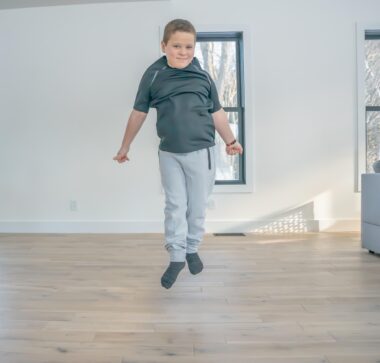
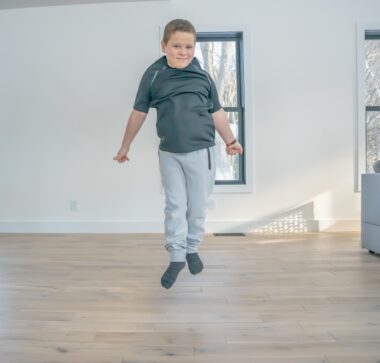
As parents become increasingly aware of the importance of fitness for children, affordable wearable technology has become a top priority. These gadgets not only encourage physical activity, but they also help children learn about healthy habits. One option is a fitness tracker designed specifically for children. These devices are often equipped with features to monitor steps, sleep quality, and physical activity levels. Children can easily access their activity data through a smartphone app, making it engaging and fun to stay active. In particular, look for wearables that offer parental control features, allowing parents to set goals and monitor their child’s progress. Many children’s wearables come in fun colors and styles, encouraging kids to wear them regularly. Additionally, many of these devices are durable and water-resistant, ensuring they can withstand the rough and tumble of children’s play. With many options priced affordably, finding a fitness tracker for your child that fits within your budget is easier than ever. In conclusion, incorporating wearable technology into kids’ fitness routines can be a great way to promote an active lifestyle.
Moreover, several brands have entered the market, emphasizing the importance of fitness for kids. One popular choice among parents is the Fitbit Ace series. These devices are specifically designed for children’s use, featuring various parental controls, activity reminders, and age-appropriate challenges. Not only do they allow children to track their steps, but they also encourage social interaction by enabling kids to connect with friends for shared fitness goals. Additionally, these trackers are waterproof, ensuring they can withstand water-related play. Another noteworthy option is the Garmin Bounce, which combines fitness and safety features. Equally interactive, it tracks physical activities while also providing GPS capabilities for parents’ peace of mind. The device offers a fun interface that engages kids through customizable watch faces and fun challenges. Moreover, the built-in messaging feature ensures that busy parents can stay in touch with their children throughout the day. Ultimately, wearables can play a vital role in creating a fun, interactive fitness experience for kids while reinforcing the importance of healthy habits.
Another essential aspect to consider is value for money when it comes to wearable devices. With various options available, it’s crucial to weigh the features and capabilities of each device against the cost. The Xiaomi Mi Band series, for instance, offers a budget-friendly choice for families. These bands, while less stylish than some competitors, boast excellent functionality, including heart rate monitoring and sleep tracking. They are also known for their lengthy battery life, lasting several weeks on a single charge, making them practical for kids who may forget to charge frequently. When looking at wearables for fitness, features such as step counting, distance monitoring, and fun challenges are integral for motivating children to stay active. Some models even offer rewards systems, turning exercise into a game. As a bonus, many wearables come with educational apps that help teach kids how their bodies work, encouraging them to adopt healthier lifestyles. Understanding the value proposition is vital in ensuring that obtaining technology for fitness is a rewarding investment.
Encouraging Active Lifestyle Through Fun
Incorporating fitness technology into children’s lives effectively encourages them to embrace a more active lifestyle. Many wearables include engaging games and challenges that not only motivate kids to move but also foster a sense of achievement. For example, the LeapFrog LeapBand is much more than just a fitness tracker; it is designed specifically like a game, encouraging kids to complete various physical activities to earn points and unlock new levels of gameplay. This gamified approach to fitness makes it much more appealing to children, aligning with their natural love for play. Furthermore, many options integrate family features that enable group challenges, allowing the entire family to work toward shared fitness objectives. Consequently, children feel supported and encouraged by their family members and peers. Moreover, logging in shared activity can create exciting bonding moments, strengthening family ties while promoting healthy habits. As a result, these wearables can transform fitness from a chore into a fun, integral part of children’s daily routines.
While making decisions about purchasing children’s fitness wearables, parents should also consider health implications. Tracking children’s steps and activities is essential for preventing sedentary lifestyles, promoting a culture of active living from a young age. Studies show that children who engage in regular physical activity are more likely to maintain healthy lifestyles as adults. However, it’s also essential to ensure that the technology does not lead to anxiety or unhealthy competition among peers. Encouraging children to focus on personal fitness goals instead of comparisons can help foster a positive relationship with their health. In this context, it’s important to choose devices that emphasize self-improvement rather than competition, as they can encourage fitness as a fulfilling endeavor rather than simply keeping up with friends. Proper guidance from parents regarding how to interpret the data is critical to reinforce positive behaviors connected with fitness. Ultimately, educational aspects of wearables are a critical factor in shaping children’s understanding of health and wellness.
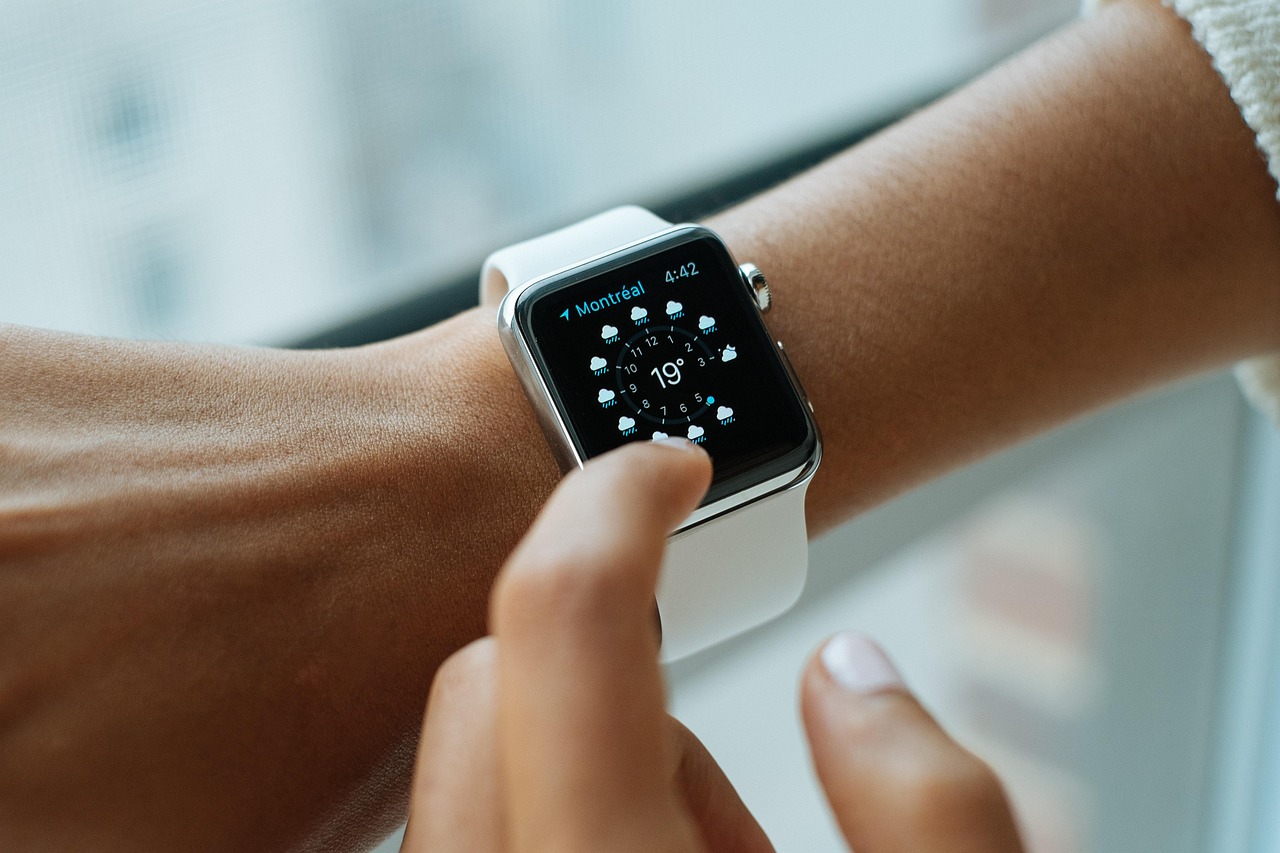
For families that prefer more interactive play, smartwatches may be the ideal choice. Many smartwatches for kids come equipped with a variety of fitness tracking features while offering additional functionalities such as messaging or alerts for parents. They keep kids connected while emphasizing physical activity. The Vtech Kidizoom Smartwatch offers various fun features such as games, a camera, and fitness tracking capabilities. Kids enjoy taking pictures as part of their interactive experiences, while parents can appreciate the fitness aspect. Furthermore, these multifunctional devices will evolve as children grow, potentially replacing the need for a standalone fitness tracker. As kids transition into preteens, the appeal of a smartwatch may remain stronger than a conventional fitness tracker. This can help solidify a consistent fitness routine as they grow older. Parents can look for devices that allow them to set activity goals and encourage their children to remain engaged. Smartwatches ultimately offer versatility, serving various interests while encouraging a healthy lifestyle.
Conclusion and Future of Wearables
As smart technology continues to advance, the future of wearables looks very promising. Families can expect to witness wearables gaining more educational capabilities enabling children to learn through activities. Even more, futuristic gadgets may incorporate augmented reality features that create immersive fitness experiences, further motivating kids to exercise. As wearables become more sophisticated, developers are expected to focus on marrying fun and fitness seamlessly. In this respect, brands will likely invest in creating engaging platforms specifically aimed at kids to keep them inspired to stay active. Furthermore, as these devices continue to become more affordable, families will find it easier to adopt them. Accessibility is fundamental in creating a healthier future for younger generations. Thus, parents can actively instill values of fitness and health within their children through the use of affordable wearable tech. Research in the health tech field also confirms the effectiveness of such devices in altering health behaviors for the better. The growing connection between wearable tech and overall wellness will likely lead to healthier lifestyles and improved fitness outcomes for families everywhere.
As technology continues to evolve, it’s evident the integration of wearables into children’s lives will foster accountability. These devices act not only as motivators but also as educational tools related to exercise, nutrition, and health awareness. Parents can leverage the opportunities presented by affordable wearable tech options to promote challenging yet enjoyable environments for kids. While navigating the extensive offerings available, families can narrow their selections based on personal preferences or desired features. It is crucial to involve children in this decision-making process for child empowerment, as they may feel more inclined to adopt the technology. Whether opting for a fitness tracker or smartwatch, the most important aspect is ensuring that it complements an active lifestyle. By setting individual goals and celebrating achievements, families can cultivate a lifelong appreciation for fitness. Additionally, these devices can help identify areas where growth is needed or where kids might need extra encouragement. Encouraging the use of wearables in fitness fosters positive habits early on, ultimately helping pave the way for healthier futures for the entire family. Overall, affordable alternatives to fitness technology can significantly benefit children and their families, nurturing both fun and fitness.