
Avoiding Overexertion and Fatigue in Winter Sports Safety
Winter sports can be incredibly engaging and thrilling; however, they also pose significant risks if safety guidelines are not observed. One major hazard is overexertion, which occurs when athletes push their bodies beyond their limits. This can lead to fatigue, injuries, and even accidents. Educating oneself on how to balance exertion with rest is vital for safety in winter sports. To prevent overexertion, it is essential to listen to your body. A clear indication of overexertion is unmanageable fatigue, accompanied by muscle soreness. Before participating in any winter sport, athletes should ensure they are adequately prepared and warmed up. This might include engaging in light aerobic activities and stretching. Also, it’s beneficial to know your limits and gradually increase the intensity of your activities over time. It is also essential to stay hydrated, as dehydration can increase fatigue signs. Ensure to have proper equipment, including safety gear. Regular breaks during sporting activities help manage exertion levels effectively. Consequently, prioritizing rest leads to better overall performance and enjoyment in winter sports activities. Warriors of the winter should be prepared to play safely without overexerting themselves.
A key aspect of avoiding overexertion in winter sports is understanding the importance of adequate nutrition. Fueling the body with the right nutrients helps ensure sustained energy levels throughout the duration of activity. Eating balanced meals filled with carbohydrates, proteins, and healthy fats creates a strong foundation for athletic performance. Keep track of hydration before, during, and after exercises. Signs of dehydration can sneak up on even the most experienced athletes, leading to a rapid increase in fatigue. Consuming electrolyte-rich beverages can also assist in maintaining proper hydration levels, especially in colder environments where thirst may not be as apparent. Additionally, scheduling rest days in a winter sports routine prevents the buildup of fatigue. Planned recovery allows muscles to repair and rejuvenate, enhancing future performance. Sleep is further crucial in this regard, as it supports muscle recovery and cognitive function. Prioritizing restorative practices such as yoga or gentle stretching can significantly help alleviate muscle tension experienced during intense sports activities. Ultimately, ensuring a combination of proper nutrition, hydration, effective recovery, and balanced training leads to safer participation in winter sports while enhancing enjoyment and long-term engagement.
Recognizing Signs of Fatigue
Recognizing signs of fatigue during winter sports activities is crucial for ensuring personal safety and preventing injuries. Fatigue manifests itself in various ways, including decreased coordination, slower reaction times, and declining focus. Athletes should constantly monitor their performance and be aware of any changes that might indicate exhaustion. When individuals feel an unusual heaviness in their limbs or display a lack of motivation, these can signal the onset of fatigue. Understanding and acknowledging these signs enables athletes to take appropriate action. They should take breaks immediately, perform light stretching, or even stop the activity altogether when experiencing increased exhaustion. Regular check-ins with oneself, reminding oneself of limits, and having friends or companions alert to signs of fatigue can further enhance safety. Furthermore, engaging in mindfulness practices can cultivate a deeper awareness of one’s energy levels and conditions. Recognizing the early signals allows athletes to address their physical needs proactively, thus minimizing potential risks associated with overexertion. Ultimately, prioritizing personal well-being leads to a much safer and enjoyable experience during winter sports, enabling prolonged participation without sacrificing safety.
Ensuring proper pacing during winter sports activities can significantly mitigate fatigue and overexertion. Athletes must recognize that maintaining a sustainable pace is imperative for long-duration sports such as skiing, snowboarding, or ice skating. Instead of starting at a fast pace, approach activities with a controlled and mindful tempo. Warming up gradually increases heart rates and prepares muscles for the exertion ahead. Familiarize oneself with the terrain and conditions beforehand, adjusting pace based on environmental circumstances such as wind, snow, or cold temperatures. Knowing that external factors affect physical performance helps keep a strategic mindset during activities. Incorporating intervals of activity and rest allows for more energy-efficient participation. As athletes feel fatigued, scaling back efforts without feeling guilty is essential for long-term enjoyment. Encouraging others participating to adopt similar practices fosters a culture of safety and awareness among the group. Listening to one’s body when it demands rest and giving in appropriately guarantees a more enriching experience on the slopes. Creating a personal mantra to remind oneself of pacing can also help reinforce these principles while promoting safer behavior during winter sports.
Choosing The Right Gear
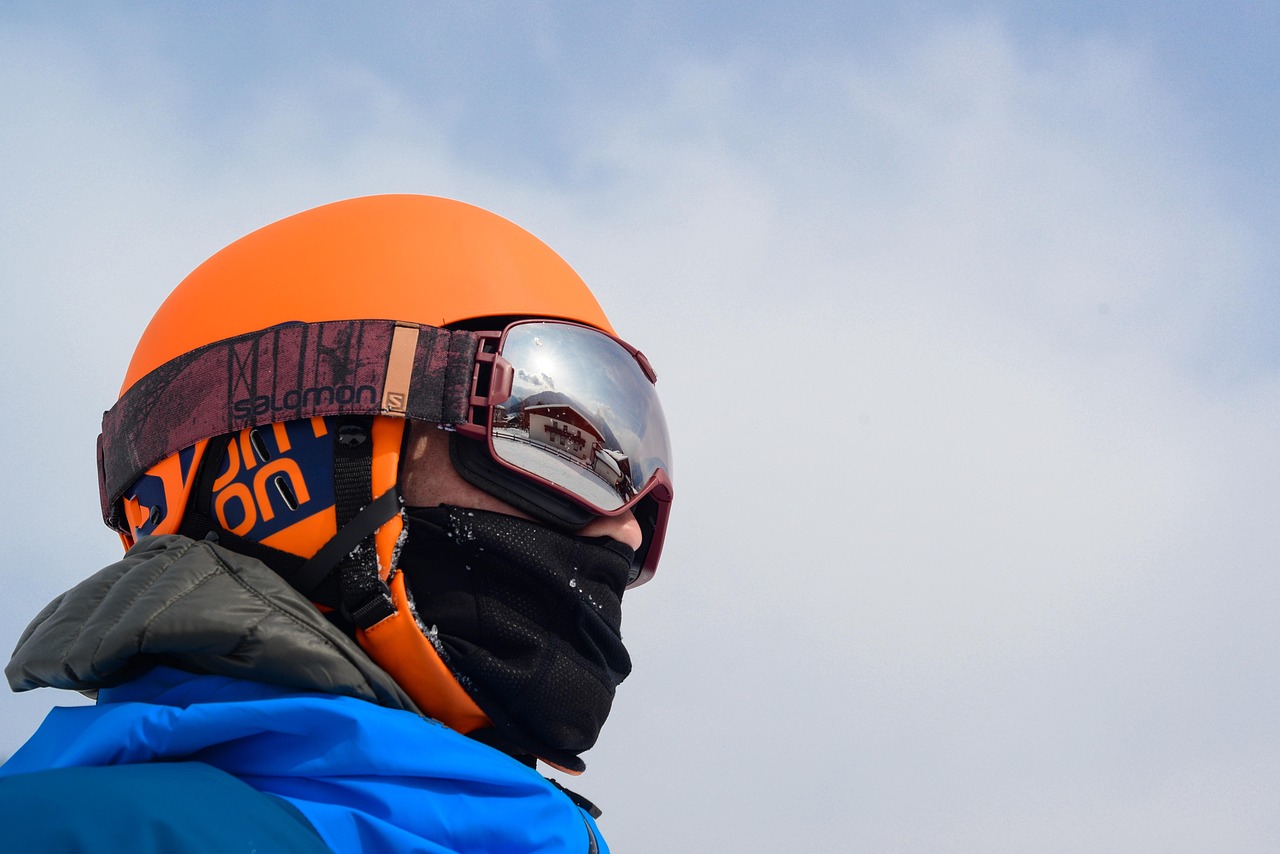
Choosing the right equipment can significantly impact performance and safety during winter sports. Proper gear entails not just high-quality equipment but also appropriate safety gear to protect against injuries. Athletes should invest in well-fitted skis, snowboards, and appropriate footwear designed for the specific activity to improve balance and control. Additionally, essential protective gear, such as helmets, knee pads, and wrist guards, plays a crucial role. Skis must be suitable for an individual’s height, weight, and skill level, preventing loss of control and potential accidents. Researching the optimal size and type of equipment can ensure the safest possible experience. Layered clothing is also crucial for maintaining warmth and avoiding hypothermia or frostbite. Fabrics that wick moisture away from the body help avoid excessive sweating, which can lead to chills as temperatures drop. It is also advisable to have backup equipment in case of any malfunction or issue during an outing. Lastly, regularly inspecting and maintaining all gear ensures it functions correctly. Enhanced focus on gear quality and fit helps athletes perform confidently without the risk of injury or fatigue overshadowing the experience.
Integrating mindfulness practices into winter sports routines can enhance awareness and reduce the likelihood of overexertion and fatigue. Mindfulness meditations enable athletes to cultivate better control over their thoughts and emotions during physically taxing activities. Through breathing exercises, individuals can connect with their bodies, therefore recognizing feelings of strain or discomfort much sooner. Developing a mental practice that focuses on gratitude or enjoyment allows athletes to maintain a positive outlook, even when facing challenging conditions. Paying attention to environmental factors, such as weather, can also help determine the right time for breaks. By taking a moment to step back, individuals can reassess their energy levels and make better decisions that prioritize safety. Creating visualizations of successful experiences in winter sports further enhances confidence and reduces stress. Engaging in these mental exercises not only promotes personal growth but also lays the groundwork for long-lasting commitment to winter sports. Ultimately, incorporating mindfulness techniques can create a harmonious balance between physical demands and mental resilience, creating the foundation for improved performance and safety. This holistic approach undoubtedly contributes to a safer and more gratifying experience on the slopes.
Conclusion: Safety First in Winter Sports
As winter sports enthusiasts, adhering to safety guidelines can vastly enhance the experience while minimizing risks associated with overexertion and fatigue. Sufficient preparation, responsible pacing, understanding physical limits, and recognizing fatigue signs are essential to enjoy winter sports safely. Ensure proper nutrition and hydration before, during, and after activities to maintain peak performance levels. The right equipment is indispensable for providing safety and comfort, which allows participants to focus on skills without the burden of unnecessary risks. Cultivation of a mindful relationship with one’s body, environment, and the sporting activity itself fosters more profound engagement, enjoyment, and safety. Ultimately, attention given to personal well-being while participating in winter sports ensures that enthusiasts can engage for years without compromising their health. Enthusiasts should continuously educate themselves on evolving safety guidelines and remain proactive in assessing their progress. With these practices in place, winter sports can offer exhilarating fun, new skills, and excellent conditioning, all while reinforcing the essence of safety and well-being. Prioritizing safety first in winter sports should always be the guiding principle for ensuring an enjoyable and sustainable experience.
Winter Sports Safety Guidelines consist of rules and suggestions that aim to protect participants during athletic winter activities. One significant area of concern is avoiding overexertion and fatigue. Athletes must understand the signs and prepare adequately to ensure enjoyable experiences. This article will explore effective strategies to manage conditioning and stay within limits while engaging in winter sports. We’ll examine essential safety measures focusing on nourishment, hydration, and recovery techniques. Readers will also learn about recognizing signs of fatigue and timely skills for slowing down while enjoying their favorite winter activities. Additionally, the importance of gearing up with appropriate equipment for better protection from injuries will be emphasized. Finally, we’ll highlight the overall consequences of asking too much from one’s body and the benefits associated with safely participating in winter sports. As conditions vary greatly across different winter environments, consistent safety awareness remains vital. Engaging in winter sports can build physical confidence, promote social interactions, and foster emotional well-being. Thus, ensuring adherence to safety guidelines allows participants to maximize enjoyment while minimizing risks.