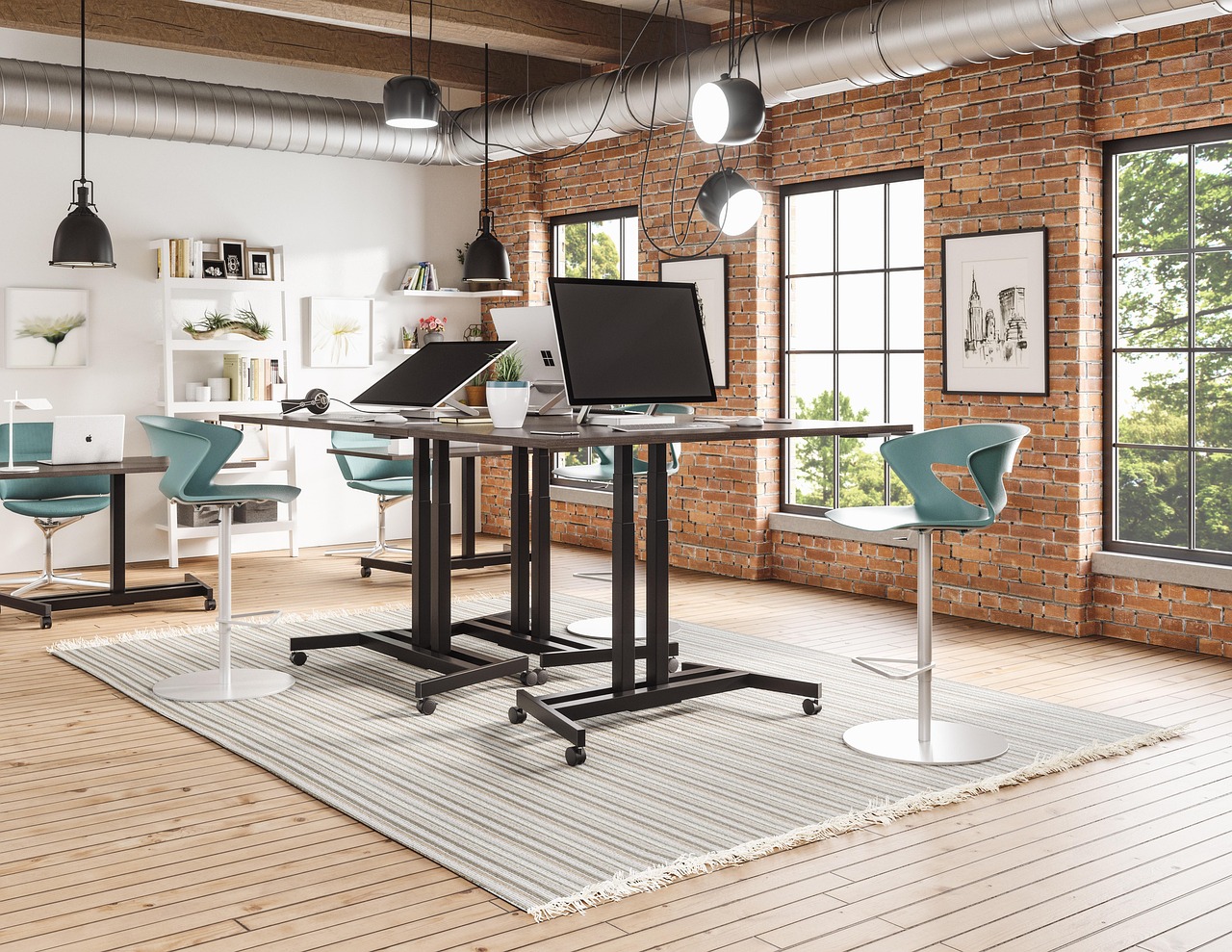

Ergonomic Benefits of Standing Desks Explained
In recent years, standing desks have gained popularity among professionals in various fields. Many individuals spend hours at a desk, often leading to discomfort and health issues related to prolonged sitting. Standing desks provide an alternative, allowing users to switch between sitting and standing positions. Adopting a standing desk can promote better posture by aligning the spinal column, reducing back pain, and providing an overall ergonomic advantage. Additionally, standing while working can help improve mood and energy levels, as many users report feeling more active throughout the day. Furthermore, this enables users to stay more engaged and focused on their tasks. However, it is crucial to adopt proper standing desk best practices to reap the full benefits. With the right techniques, individuals can significantly reduce physical strain and elevate their productivity. Therefore, understanding how to set up a standing desk correctly is essential. By considering factors such as desk height, monitor placement, and even foot positioning, individuals can create a comfortable workspace that encourages movement and ergonomics.
Proper Setup for Standing Desks
To maximize the benefits of a standing desk, it is important to set it up correctly. First, ensure that the desk height allows your elbows to remain at a 90-degree angle while typing. This prevents strain on the shoulders and forearms. Next, your monitor should be positioned at eye level to avoid neck discomfort; the top of your screen should be at or slightly below your direct line of sight. Additionally, consider using an anti-fatigue mat to provide cushioning for your feet, reducing fatigue during long hours of standing. Alternating between sitting and standing throughout the day balances the ergonomic advantages. It’s also vital to change positions regularly, because remaining static in any posture can lead to discomfort. Another key factor is foot positioning. Distributing weight evenly across both feet while standing is essential. A footrest may assist in shifting weight and providing relief. In summary, the correct setup contributes significantly to reaping the ergonomic benefits of standing desks while promoting comfort and health, mitigating the risks associated with static postures.
Besides the physical setup of your standing desk, there are habits and practices to develop for ensuring your comfort. Regular movement breaks are crucial; standing still for extended periods can be as harmful as prolonged sitting. Integrating stretching exercises is an excellent way to ease tension while promoting circulation. Additionally, try to consciously shift your weight from one foot to another periodically throughout the day. If possible, include some light movement like walking around the room or doing simple exercises to enhance blood flow. Incorporating ergonomic accessories can also provide additional benefits; consider using an ergonomic keyboard or mouse designed for improved hand positioning. These tools contribute to reducing strain on your wrists while working. Moreover, hydration plays an essential role in maintaining focus and energy levels. Having a water bottle near your standing desk encourages regular water intake; staying hydrated is vital for productivity. Creating a productive work environment that allows flexibility is essential to reaping the fullest ergonomic benefits. A standing desk setup paired with mindful practices can greatly enhance your overall work experience.
Health Benefits of Standing Desks
Intermittent standing during work hours offers various health benefits beyond just comfort. Many studies indicate a reduction in the risk of chronic diseases associated with sedentary lifestyles. For instance, standing desks have been linked to lower blood sugar levels, particularly after meals, as they promote natural movement. Weight management also improves, as standing burns more calories compared to sitting, making it easier to maintain a healthy weight. Furthermore, using a standing desk correlates with increased energy levels, helping individuals feel more invigorated and ready to tackle tasks. Additionally, regular use can lead to improved mood, lowering the risk of anxiety and depression. Many individuals also report better overall productivity and an enhanced sense of well-being when using standing desks. As people feel physically better, it translates into higher workplace efficiency. Therefore, the transition to a standing desk can be much more than just a physical shift; it encourages a healthier lifestyle overall. Employers promoting these practices in their offices can contribute to a more positive work atmosphere, impacting job satisfaction positively.
Moreover, adopting a standing desk doesn’t have to mean abandoning chairs entirely. It is critical to find a balance between standing and sitting to avoid fatigue. Users should aim to alternate their work position every 30-60 minutes to minimize discomfort. Implementing a timer to remind oneself to change positions can be effective. In doing so, this ensures that employees aren’t straining their bodies continuously in one position. Furthermore, encourage yourself to take microbreaks that involve stretching or brief walks during the day, which are beneficial in sustaining energy and focus. Developing a routine plays a significant role in adjusting to the new desk setup. Some may find that using a chair for particular tasks might help maintain comfort levels. {Incorporate going outside or doing some quick exercises as part of the day for a refreshing change in environment.} Remember, achieving the best ergonomic advantages requires awareness and adjustments to individual needs. Listening to one’s body and responding accordingly provides the best results while using a standing desk during work.
Potential Drawbacks of Standing Desks
While the benefits of standing desks are widely recognized, it is equally important to be aware of potential drawbacks. Extended periods of standing can lead to its own share of issues, such as leg swelling and discomfort, particularly among beginners. As a result, individuals should gradually increase their standing time to avoid overwhelming their bodies. Those with pre-existing health conditions, especially related to the legs or lower back, should consult a healthcare professional before making the transition. It is also advisable to invest in a good ergonomic chair that can provide support when needed. Furthermore, creating a workspace that caters to both postures allows for flexibility, ensuring that standing desks do not become counterproductive. Overall, users must remain mindful of their body signals: take note of any discomfort experienced while using a standing desk. Transitioning requires careful adaptation to balance the advantages and limitations. Acknowledging these factors will lead to a more successful experience, enhancing comfort and productivity long-term.
In the context of workplace culture, adopting standing desk practices can also influence collaboration and communication among coworkers. Standing positions often encourage more spontaneous interactions and discussions as people are less likely to feel confined to their desks. This can foster a more creative and engaging work environment, breaking the monotony often associated with traditional office layouts. Encouraging an office culture that supports movement may lead to more teamwork, as individuals feel liberated to share ideas more easily when they’re standing. Additionally, standing desks form part of a larger trend focused on health and well-being in the modern workplace, emphasizing the importance of employee wellness. Companies incorporating standing desks not only improve the immediate comfort level of employees but also demonstrate a commitment to their long-term health. In summary, integrating standing desks into work environments positively supports employee relations and productivity while aligning work ethos towards well-being. By thoughtfully designing office spaces, those in leadership positions can cultivate an atmosphere in which health and performance thrive.
In conclusion, integrating standing desks into today’s workspaces yields numerous ergonomic benefits, addressing both physical comfort and health improvement. With proper setup and positioning, users can experience substantial relief from discomfort associated with sedentary work habits. Remember to maintain proper body alignment and take breaks to shift positions regularly, striking a balance between standing and sitting. When planning office layout, prioritize ergonomics to enhance productivity and foster a supportive atmosphere for employees. Standing desks represent more than just a trend; they signify a shift towards healthier work habits that prioritize well-being. By understanding and applying best practices while effectively integrating movement, workplaces can transition from merely functional to truly accommodating. A focus on ergonomic benefits creates a sustainable working environment, catering to the needs of employees in various roles. Thus, if you are considering a standing desk, equipped with proper knowledge, you can invest in your health for years ahead. Always remember to listen to your body and make adjustments as required to maintain comfort during your work routine.