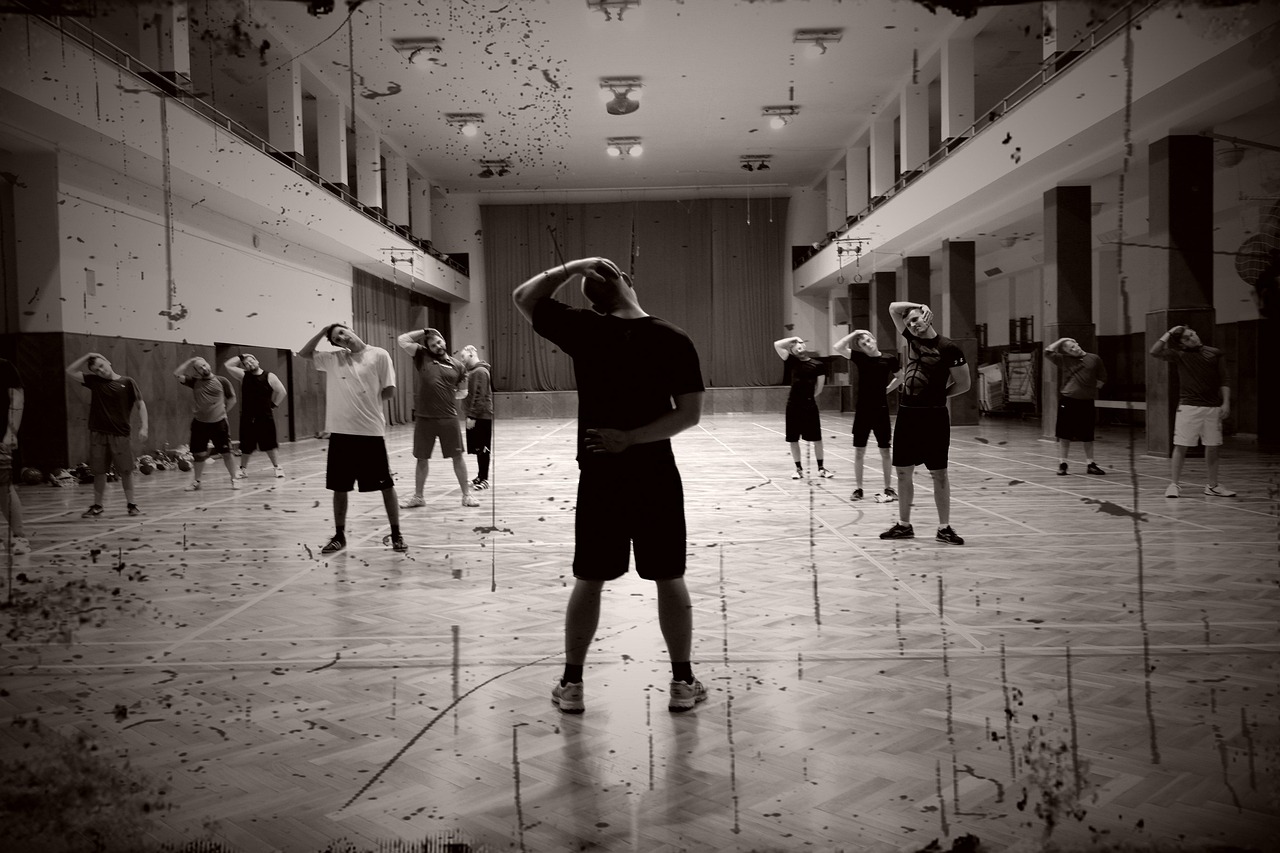

Essential Warm-Up Exercises for Your First Parkour Session
Starting your journey in parkour requires not just determination but also proper preparation. Warming up correctly builds a foundation for safety and performance. The objective of warm-ups is to increase the heart rate and enhance blood circulation to your muscles. This ensures that your body is ready for the demanding movements ahead. A good warm-up should start with dynamic stretches, which are better than static ones. Focus on areas that will be engaged during the session. Remember that alcohol should be avoided before training, as it can significantly hinder your performance. You can incorporate light jogging or skipping to elevate your heart rate adequately. Ensure you are hydrated prior to starting, as dehydration can impede your ability to perform. Furthermore, engaging in specific joint mobility exercises can greatly enhance your flexibility and range of motion. Consider including a few basic movements, like arm circles and leg swings, to prepare the major joints. This sets a positive tone for your parkour practice and reduces the risk of injury in your upcoming session.
Next, consider integrating specific movements that simulate parkour techniques. These exercises are essential for getting your body accustomed to the mechanics of the sport. One effective warm-up is to perform simple rolls on the ground. They not only prepare your muscles but also familiarize you with falling safely, which is critical in parkour. Another useful exercise is the squat jump, which involves squatting deeply and exploding upwards into a jump. This targets your leg muscles while improving explosive power. Additionally, incorporate lunges into your warm-up routine. Performing walking lunges, where you take a step forward into a lunge, can help increase your stability and balance. This exercise specifically strengthens your lower body, enhancing your ability to land softly and efficiently. Moreover, you can include some jumping jacks or burpees for a combination of strength and cardiovascular fitness. Both of these warm-up movements will effectively elevate your heart rate while simultaneously activating your muscles. Gradually, these specific movements will start to prepare your entire body for the unique challenges of parkour.
Importance of Flexibility and Mobility
In addition to the warm-up movements mentioned, enhancing your flexibility and mobility is vital. This contributes to improved overall performance in parkour. Flexibility allows your body to move efficiently, while mobility ensures your joints are working optimally. Consider incorporating a few stretches focused on the hips, shoulders, and back, as these areas are crucial for parkour maneuvers. Dynamic leg swings can help loosen your hip flexors and groin, making your jumps smoother. Moreover, shoulder dislocates using a band or a stick can help prepare your upper body for vaults and climbs. It’s essential to avoid static stretching in this phase, as dynamic movements are more beneficial for warm-ups. Furthermore, initiating your preparation with exercises that challenge your balance can also be helpful. Simple balance drills, like standing on one foot while keeping your body engaged, can make a significant difference to your overall performance. These exercises don’t just improve flexibility but also increase your proprioception, essential for navigating obstacles effectively during your parkour practice.
Don’t forget to include coordination drills in your warm-up. Coordinating your movements is essential for efficiently executing parkour techniques. Simple exercises, such as high knees or butt kicks, can help enhance your coordination while ensuring your heart rate stays elevated. As you perform these drills, focus on maintaining control over your movements. You can also try lateral movements like shuffles that mimic the side-to-side action of parkour. This will activate the necessary muscles needed for precision and agility. A combination of these drills will greatly enhance your ability to quickly respond to various jumps and landings you encounter in parkour. Furthermore, think about including agility ladder drills; these are a fantastic way to sharpen your footwork. Being agile not only improves your speed but also makes your body awareness sharper. Hence, you’ll be more suited to handle the dynamic movements needed to overcome challenges during your parkour training. Keeping this incorporation of coordination drills in mind, you will ensure you’re prepared for both the skills practiced and unforeseen challenges that may arise.
Utilizing Your Environment for Warm-ups
As you begin your parkour warm-up, take advantage of your environment. Utilizing elements around you can provide unique opportunities for effective warm-ups. Park benches or low walls can serve as excellent platforms for practicing precisions and small jumps. Engaging with your environment encourages creativity while warming up. You can start with simple movements, like stepping onto and off of a safe ledge. This enhances not only your balance but also prepares you mentally for parkour. Incorporate basic obstacles into your warm-up, as this will yield a familiar context when it comes time to practice techniques. However, always ensure that the surfaces are solid and safe, to prevent injuries. Make sure you’re also attentive to potential hazards in the area before starting. When including movements that involve elevation, always focus on control, engaging your core to maintain stability. Your surroundings can inspire new warm-up ideas as they become part of your practice. Always be observant and inventive with how you incorporate them into your routine, which provides dynamic engagement in your warm-ups.
Finally, it’s pivotal to finish your warm-up with an active cooldown phase. This shouldn’t be rushed but should gradually bring your heart rate down while continuing engagement in movement. Moving into gentle stretches enhances muscle recovery and prepares you physically for intense interactions with obstacles later. At this stage, you can redirect focus to areas that felt particularly emphasized during your session. Slow movements, like forward bends or gentle torso twists, help this transition naturally while still maintaining warmth in the muscles. Balance out your cooldown by also addressing your breath; deep breathing is highly beneficial during this time. It helps regulate your heart rate while enriching your body with oxygen. Spend a few minutes allowing your mind and body to synchronize before moving onto higher intensity techniques. A well-measured cooldown will not only significantly enhance your performance but also improve your recovery time. You might consider jotting down any notable experiences from the session too. Reflecting in this way cultivates growth and helps you track your progress moving forward with your parkour journey.
Safety Tips for Beginners
As you embark on your journey into parkour, adhering to safety tips can enhance your experience greatly. Always prioritize lower risks by practicing your warm-ups in secure environments. Familiarize yourself with the spaces where you plan to practice and avoid unintentionally dangerous surfaces. Moreover, wearing appropriate footwear is crucial for your practice and safety. Shoes should provide adequate grip and support. Loose-fitting clothing is preferable, enabling a full range of movement during your warm-ups. Ensure you’re also mindful of your surroundings; always be aware of obstacles and potential hazards. Parkour requires awareness as much mentally as physically; backing this with thorough warm-up preparation can lead to success. Always listen to your body; if you feel discomfort, stop and assess rather than pushing through. Practicing with a community or experienced friend is beneficial, as they can provide valuable feedback and encouragement. Lastly, continually educate yourself about techniques, as parkour encompasses much more than just physical skill. Understanding the theory will make your practice safer as well as more fulfilling, paving the way for your growth in this exciting discipline.
Warm-up exercises are essential before embarking on your parkour journey. Starting with a comprehensive warm-up sets the tone for your training session. This practice ensures your body becomes accustomed to movements and prevents injury. As you progress, adapting your warm-ups will become integral to improve and practice effectively. Each warm-up should encompass a mix of cardiovascular exercises to increase heart rates, dynamic stretches to warm up your muscles, and specific movements related to parkour. By gradually introducing various exercises, you develop essential skills while also enhancing your flexibility, strength, and coordination. Practicing with creativity will optimize your sessions and connect you better with your surroundings. Take it slow at first; mastery comes over time and with patience. Constantly listen to your body and encourage your progress, strategically building from basic to complex movements. Remember to celebrate the small victories. In essence, warm-ups are beneficial in establishing a strong foundation for parkour practice while promoting a healthy mindset as you embark on exhilarating adventures. Cultivate this essential element before each session, and you’ll be well on your way to enjoying parkour and freerunning.