
Hydration and Cognitive Recovery Post-Exercise
Hydration plays a pivotal role in cognitive recovery after exercise, significantly influencing mental performance and overall well-being. During physical activity, our body loses water through sweat, which can lead to dehydration. This condition impairs cognitive functions, such as attention, memory, and reaction time. Studies indicate that even mild dehydration can adversely affect brain function, causing feelings of fatigue and decreased motivation. Subsequently, it is essential to restore fluid levels promptly after exercising to enhance cognitive recovery effectively. Consuming water or electrolyte-rich beverages can facilitate this process, ensuring the brain receives the hydration it demands to operate optimally. Furthermore, hydration post-exercise supports nutrient absorption and helps in the overall recovery process. Sports drinks containing electrolytes may also prevent fatigue while enhancing endurance. Therefore, athletes and physically active individuals should monitor their fluid intake before, during, and after workouts. To maximize cognitive recovery, a balanced approach incorporating hydration, nutrition, and rest is advisable. Overall, acknowledging the relationship between hydration and cognitive function can be a game changer for achieving optimal performance, whether in competitive sports or daily activities.
Hydration strategies can vary depending on individual needs, physical activity intensity, and environmental conditions. Research suggests that different fluids have varying impacts on recovery, affecting how well the body rehydrates. Water is often recommended for basic hydration; however, when workouts extend beyond an hour, sports drinks might be more beneficial due to their combination of carbohydrates and electrolytes. These beverages not only replenish fluids but also provide the energy necessary for prolonged cognitive activity. A well-hydrated brain functions better, leading to quicker reaction times and improved decision-making skills. Dehydration can disrupt neurotransmitter synthesis, which may negatively influence mood and concentration. In light of this, planning hydration breaks during exercise can promote better post-exercise recovery. Utilizing hydration strategies tailored to exercise contexts can mitigate the subsequent cognitive decline. Various tools, such as smart water bottles or hydration tracking apps, can assist individuals in monitoring their intake. Fostering a habit of fluid consumption throughout the day and especially after physical activity is crucial for maintaining cognitive health. Strategies like drinking fluid at regular intervals can help prevent any negative effects that dehydration may have on cognitive performance.
Cognitive Function and Hydration
Understanding the connection between hydration and cognitive function enhances the significance of proper fluid intake. Water is vital for various physiological processes, including temperature regulation and nutrient transportation. Additionally, dehydration can lead to increased cortisol levels, which might affect mood and memory. Cognitive functions, such as processing speed, short-term memory, and attention span, can decline significantly when the body is not adequately hydrated. Several studies highlight that even a 1-2% drop in body weight due to fluid loss can impair cognitive performance. As such, engaging in activities requiring focus, like academic work or sports, necessitates optimal hydration to maintain mental sharpness. Individuals should strive for a continuous fluid supply, especially during prolonged exercise sessions. Adequate hydration ensures electrolytic balance, which is vital for maintaining brain activity. Practical hydration strategies, including drinking a glass of water every hour, can create better practices. In contexts where cognitive performance is crucial, raising awareness surrounding hydration’s importance can greatly support those involved. Therefore, dedicated efforts in fluid replenishment can significantly elevate cognitive abilities and overall exercise recovery.
During and after exercise, complex interactions occur between hydration and the recovery of cognitive functions. Sports drinks containing electrolytes prove beneficial as they aid in restoring both lost fluids and essential nutrients. The presence of carbohydrates in these drinks also allows for quick absorption, providing an immediate energy source for the brain. As glycemic levels stabilize, cognitive benefit follows suit. The merge of hydration and nutrition is crucial; thus, pairing water intake with nutrient-dense snacks can optimize recovery processes. Consuming fruits, vegetables, and protein-rich foods along with fluids ensures the body effectively replenishes lost components. Meanwhile, individuals should be cautious not to overhydrate, as this can lead to water intoxication and electrolyte imbalance. Therefore, developing hydration plans is vital for success. Monitoring sweat loss and fluid consumption allows individuals to adjust their intake accordingly. A thoughtful approach to nutrition, tailored to specific activity levels and individual responses, can create a comprehensive recovery strategy. By prioritizing hydration, people can maximize their recovery and consequently improve cognitive functions and performance stability.
Optimal Hydration Techniques
Optimal hydration techniques can significantly enhance recovery after exercise and consequently improve cognitive function. First, it’s essential to identify personal fluid needs based on sweat rates, which can vary from person to person. Additionally, conducting a urine color test can help determine hydration status; pale yellow urine typically indicates adequate hydration. Drinking water alone may not suffice during high-intensity workouts; therefore, it’s beneficial to incorporate electrolyte-rich drinks for enhanced recovery. These drinks help restore sodium and potassium levels lost during exercise. Also, timing fluid consumption matters; hydration strategies should extend through the day and not be restricted to just after workouts. Ideally, refraining from larger quantities all at once is advised – smaller, frequent sips are more effective. Likewise, making hydration a social aspect of physical activities can encourage better practices within groups. Utilizing reminders or hydration tracking apps can bolster accountability. Emphasizing the role hydration plays in cognitive recovery reinforces its importance in fitness regimes. A well-rounded approach ensures that both physical and mental states thrive, providing an excellent foundation for overall health.
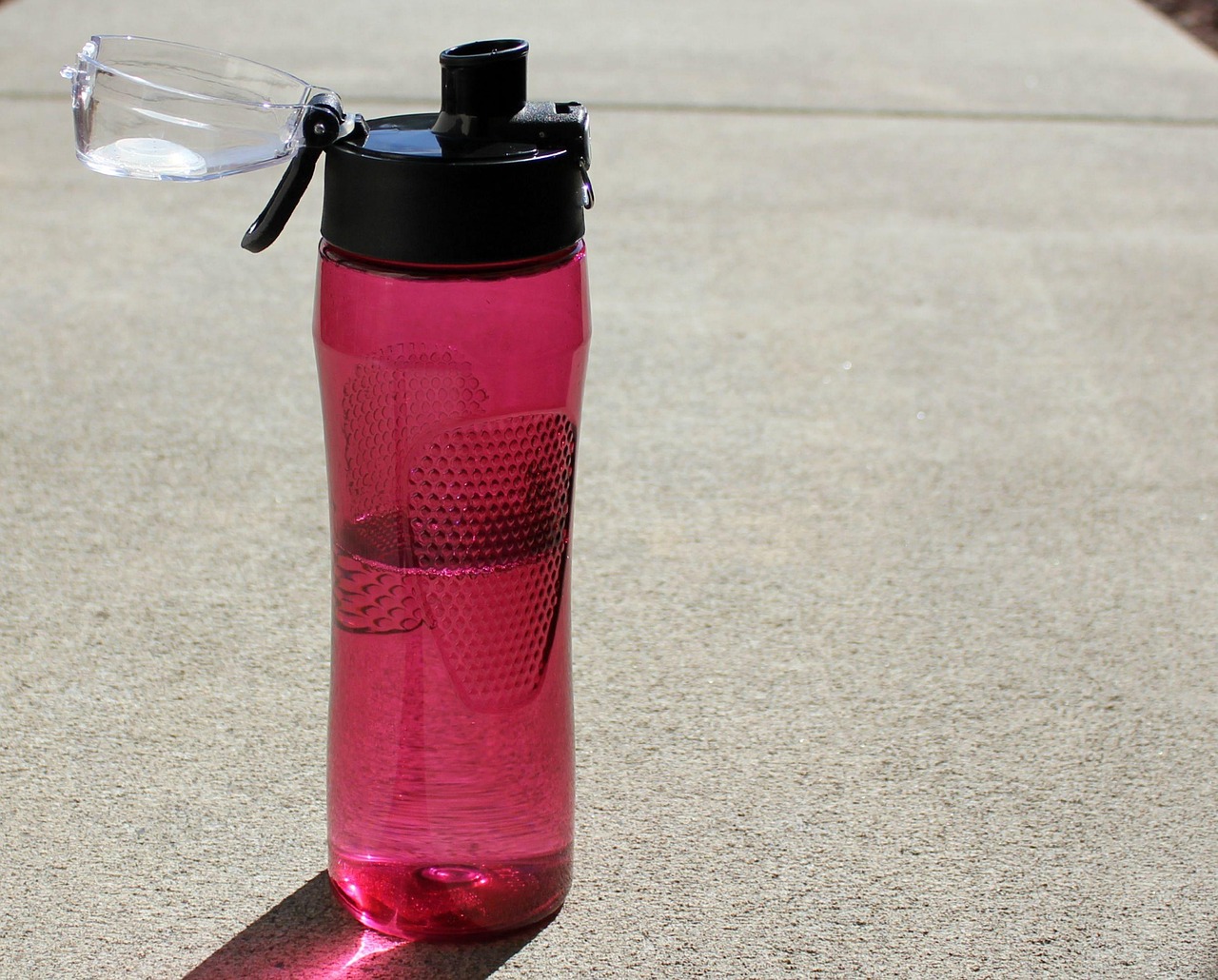
Incorporating hydration into post-exercise recovery routines paves the way for improved cognitive performance. Prioritizing timely fluid intake can create a smoother transition from exercise back to a resting state, ensuring the body recovers efficiently. For optimal hydration, specific recommendations suggest consuming approximately 500 mL of fluid within two hours following exercise. Moreover, based on individual sweat rates and weight loss during exercise, adjusting fluid intake is paramount. Simple practices such as keeping a water bottle nearby during exercise routines can promote better hydration habits. Alternatively, infusing water with fruits can enhance its appeal and encourage consumption. Furthermore, promoting hydration knowledge through workshops or fitness classes may greatly benefit communities focused on wellness. Understanding how hydration impacts cognitive function also allows individuals to appreciate their performance better. Schools, organizations, and sports teams should foster a culture that prioritizes hydration awareness. Participants who understand the connection between fluid intake and cognitive prowess can become advocates for healthy practices. Collectively, committing to proper hydration enhances overall performance, providing a solid framework for success and better health in all aspects of life.
Conclusion
In conclusion, hydration is essential for cognitive recovery post-exercise, significantly affecting mental performance. Strategies for ensuring adequate hydration should be customized to fit individual performance levels, activity types, and preferences. This encompasses a mix of water, electrolytes, and nutritious food to support recovery. Additionally, addressing hydration alongside mental health promotes a holistic approach to well-being. Over time, implementing consistent hydration habits can create marked improvements in cognitive function. The interconnectedness of hydration and physical performance emphasizes the importance of both practices. An increased awareness of how hydration influences cognitive capacity can empower athletes and fitness enthusiasts alike. By committing to these hydration strategies, individuals can enhance recovery, support cognitive functions, and optimize physical performance. Moreover, fostering community awareness about hydration can lead to healthier lifestyle choices among peers. The beneficial effects of proper hydration extend beyond exercise contexts; achieving cognitive stability positively influences various aspects of daily life. Therefore, advocating the role of hydration in cognitive recovery serves as a powerful message to promote mental clarity and productivity for all.