
Meal Prep Strategies to Support Gut Health and Weight Loss
Meal prep can play a transformative role in maintaining gut health and achieving weight loss goals. By planning meals ahead, you ensure nutritious options are always at hand. This practice helps avoid impulsive food choices that often lead to unhealthy eating. Incorporating a variety of fruits and vegetables is essential as they are packed with fibers that aid digestion and promote a healthy gut microbiome. Furthermore, meal prepping allows for portion control, making it easier to manage caloric intake. Adopt a weekly routine where you dedicate time to prepare nutrient-rich meals that focus on whole ingredients. This leads to increased satisfaction from meals, as well as improved health outcomes. Additionally, consider using a meal prepping app or scheduling your prep time into your calendar. Engaging in this organized approach will enhance your commitment to your health journey and ensure you are eating balanced meals. Overall, the practice of meal prep can simplify decisions regarding food, helping support both gut health and effective weight management in a seamless manner.
Focus on Fermented Foods
Including fermented foods in your meal prep can significantly benefit gut health and contribute to weight loss. Foods such as yogurt, sauerkraut, and kimchi are rich in probiotics, which are crucial for a balanced gut microbiome. Incorporating these foods regularly in your diet can enhance digestion and absorption of essential nutrients. During meal prep, consider making bulk batches of fermented products to simplify your week. These flavorful additions not only provide health benefits but also enhance the taste profile of your meals. Incorporate fermented foods in breakfast bowls, salads, or as side dishes to elevate nutritional value. Moreover, you can DIY your own fermented foods at home, ensuring that you control what goes into them. This can be not only cost-effective but also a fun process. Be sure to store them properly in airtight containers to preserve their probiotics. Through integrating these nutrient-dense foods into your meal planning, you actively contribute to your gut health while making strides in your weight loss efforts. Enjoy the delicious flavors while reaping the plenty of health benefits they offer.
Another effective meal prep strategy is to prioritize whole grains and lean proteins. Whole grains like quinoa, brown rice, and oats provide a steady source of energy and fiber. As part of your plan, you should cook these grains in batches so they are ready for various meal combinations. Pairing these grains with lean proteins such as chicken, turkey, tofu, or legumes creates well-rounded meals that keep you full longer. Protein is essential for muscle maintenance, especially during weight loss, as it helps to preserve lean muscle mass while losing fat. Not to mention that higher protein intake can improve satiety, reducing overall calorie consumption. This is crucial in your weight management journey. Try to prepare diverse combinations to keep meals interesting throughout the week. Use spices and herbs to enhance flavors without adding excessive calories. Don’t forget to portion your prepared meals in containers for easy access. By incorporating whole grains and lean proteins into your meal prep, you are supporting both your gut health and your weight loss goals effectively.
Incorporating Healthy Fats
Including healthy fats during your meal prep can tremendously impact your gut health and weight management. Foods rich in omega-3 fatty acids such as salmon, flaxseeds, and walnuts promote inflammation reduction and enhance gut function. Additionally, avocados and olive oil are excellent sources of monounsaturated fats that support heart health. For optimal digestion, healthy fats help absorb fat-soluble vitamins such as vitamins A, D, E, and K. While prepping meals, consider making sauces with olive oil or adding seeds and nuts to salads and bowls. Healthy fats are crucial for maintaining overall hormonal balance and satiety. They can also improve insulin sensitivity, which contributes to better weight management. When choosing recipes, seek options that highlight these healthy fats to create delicious balance in your meals. However, it’s essential to measure portions to keep calorie counts in check. Ultimately, incorporating healthy fats into your meal planning encourages both sensation and satisfaction, making your weight loss journey more enjoyable while supporting your gut health effectively.
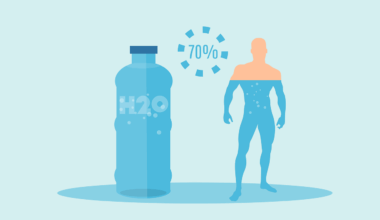
Effective meal prep strategies should also involve mindful hydration. Hydration is often overlooked, yet it plays a vital role in digestion and overall health. Drinking adequate water is crucial for maintaining optimal bodily functions and helps remove toxins from the body. In your meal prep, include hydrating foods such as cucumbers, watermelon, and leafy greens. You can infuse your water with these ingredients to enhance its taste and nutrient content. Setting hydration goals, such as consuming a specific amount of water daily or using a tracking app, ensures proper intake and maintains focus. Consider preparing herbal teas or flavored waters as refreshing alternatives to sugary beverages. When meals are actively prepared, remember to create a water-friendly environment by keeping water accessible during meal times. Proper hydration can lead to improved metabolism, aiding in weight loss efforts. By integrating these hydration strategies into your meal prep routine, you promote better digestion and facilitate your body’s ability to extract nutrients effectively while supporting weight loss goals. Developing this habit is crucial to maintaining your health journey in the long run.
Explore Meal Prep Techniques
Exploring various meal prep techniques can enrich your preparation and facilitate adherence to your weight loss and gut health goals. Adopting cooking techniques such as batch cooking, freezer meals, or one-pan meals can help streamline the process. Batch cooking allows you to prepare large amounts of food in one session, ensuring that you always have healthy options on hand. Freezing individual portions will provide quick access to nourishing meals on busy days. Consider trying the popular sheet pan method for simplicity—where everything is cooked in one go—saving you time and effort. Furthermore, familiarize yourself with different cutting techniques to ease food preparation and make the process faster. Use appliances such as slow cookers or instant pots to maximize efficiency while enhancing flavor in your meals. Label your containers with dates for freshness, allowing you to keep track of what meals to consume first. This way, you also reduce food wastage. By honing these techniques, you can break down barriers that often obstruct a balanced, healthy diet, paving the way for lasting changes to your gut health and weight management endeavors.
The success of meal prepping lies in planning ahead and incorporating flexibility. Create a meal plan that addresses not only your nutritional needs but also fits within your lifestyle. Recognize that it’s okay if your meals occasionally change based on seasonal ingredients or cravings. Being adaptable can enhance your cooking experience and reduce the feelings of restriction that often accompany dieting. Plan one or two backup meals that can be cooked quickly or involve the use of leftovers. This can alleviate stress if life gets in the way of your preset meal plan. Also, stay open to new recipes and explore different cuisines to keep your meal prep interesting. A great way to do this is by dedicating a day each week to recipes you haven’t tried before. Engage friends or family in the process for extra motivation and support. By establishing a balance between planning and flexibility, you empower yourself to maintain a healthy lifestyle sustainably. This approach significantly aids in achieving your gut health and weight loss goals while enjoying the entire journey.
This final moment of reflection is key as the journey emphasizes how meal planning intersects with weight loss efforts and gut health benefits. By embracing these strategies, individuals learn to nourish their bodies purposefully. Ever so often, we forget that each meal has the potential to enhance our gut health, sustain our energy, and contribute to successful weight management. Therefore, committing to effective meal prep becomes an essential skill worth mastering. Understanding how to choose ingredients and plan meals empowers individuals to take control of their health journeys. Observing the effects of wholesome foods on well-being can solidify positive habits over time. Furthermore, recognize that results can vary, reinforcing the importance of patience and gradual progression. Each step taken towards making healthier choices can compound, leading to lasting changes in health. Seek support through communities or online forums where others share similar goals and experiences. Instead of viewing food as a source of restriction, consider it an opportunity for self-care and nourishment. Ultimately, meal prep serves as a means to enhance not only physical health but also mental well-being, guiding individuals towards sustained success in their weight loss journeys.