
Preparing Your Pet Physically for Cycling Adventures
Cycling with pets can be a rewarding experience for both you and your furry friends. However, before heading out, it is essential to prepare your pet physically for these adventures. Just like humans, animals require conditioning to make sure they can enjoy long rides safely. Start by assessing your pet’s current fitness level; if they haven’t been very active, gradually introduce them to more intense activities. You should aim to build their stamina slowly while monitoring their reactions. It’s also important to select the right equipment, including a pet-friendly bike carrier or harness. Ensure that your pet is comfortable and secure with whatever method you choose. While some pets love to race beside you, others may prefer to ride safely in a carrier. Be sure to allow plenty of breaks throughout your cycling journey. This is essential for hydration and gives your pet a chance to stretch and recover. Completing short rides and gradually increasing distances can help build confidence in your pet, making for an enjoyable cycling experience together. Utilize these preparations to create a fun and safe cycling adventure!
Maintaining your pet’s health is crucial when preparing them for cycling adventures. A visit to the veterinarian is recommended to ensure your pet is physically fit for exercise. Some breeds may have specific health considerations that impact their ability to cycle long distances. For example, brachycephalic breeds, such as pugs and bulldogs, are at risk for breathing difficulties during vigorous activities. Understand your pet’s unique needs, and establish a routine that incorporates exercise leading up to your cycling adventures. This could include daily walks, runs, or games that encourage movement. Observe your pet closely for any signs of discomfort. A proper diet is also fundamental; consider consulting with your vet for their recommendations for pet nutrition. Balanced meals provide the necessary energy boost for active lifestyles. Treat your pet with healthy snacks that support their energy levels, especially before a cycling outing. As you prepare, it may be beneficial to track their activity levels as you incrementally increase exercise. This will enable you to identify any potential issues early on. Open communication with your vet about your pet’s fitness routine can ensure a successful preparation phase.
Choosing the Right Gear
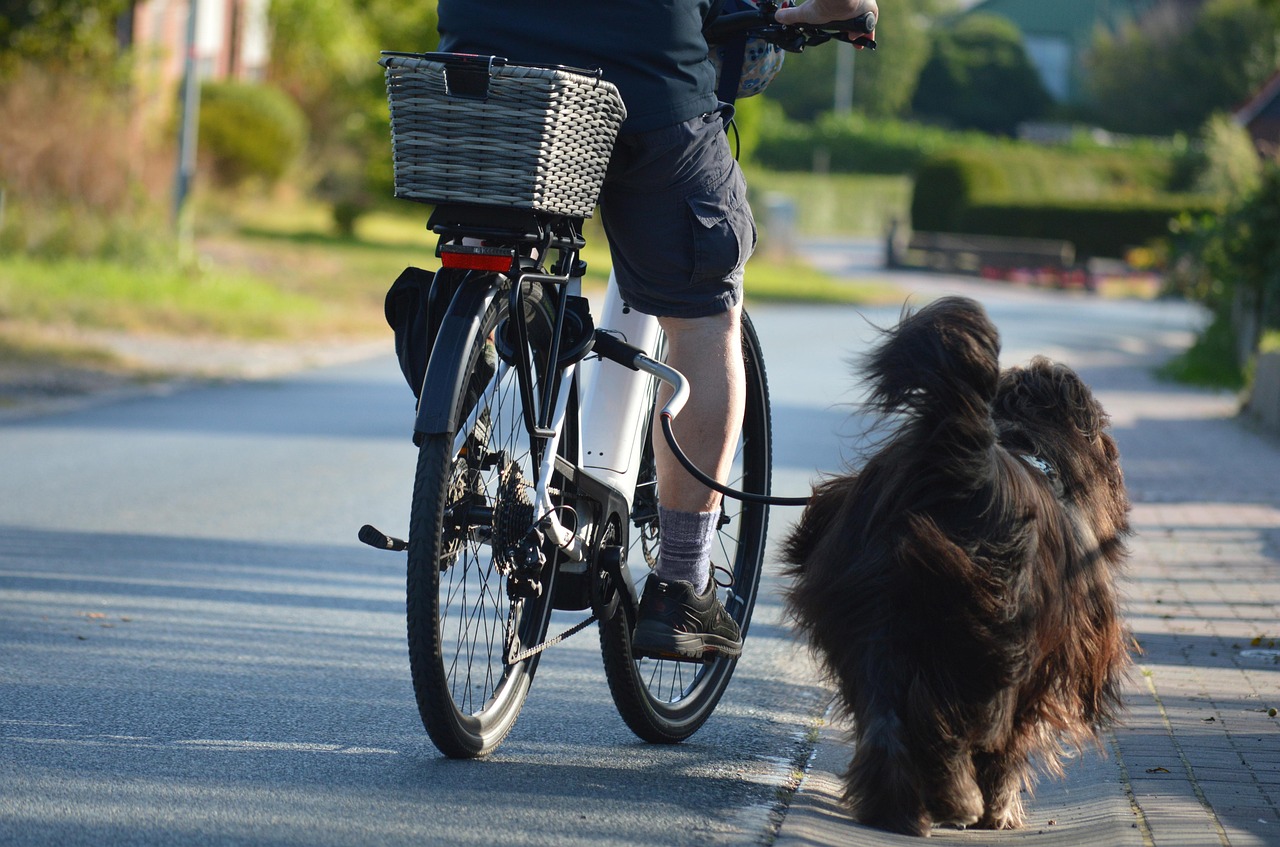
When gearing up for cycling with your pet, selecting the right equipment is paramount for comfort and safety. Look for a high-quality harness or a pet trailer, often designed specifically for biking. A harness gives your pet freedom of movement while keeping them securely attached to you. It is vital to make sure that the harness fits well; it shouldn’t be too tight or loose. You want your furry friend to feel comfortable during the journey. If you opt for a trailer, ensure it is well-ventilated and offers sufficient space for your pet to sit or lie down. Additionally, a sturdy leash is essential in maintaining control while cycling. Reflective gear can enhance visibility during early morning or evening rides, promoting safety for both you and your pet. Cute accessories, such as pet goggles, can protect their eyes from debris and wind. Always test out any new gear in a safe environment before venturing out on a cycling trip. Introducing gear gradually will help your pet adjust; practice short rides around the neighborhood to gauge their comfort and readiness.
Hydration is essential for any active cyclist, and the same applies to your pet during cycling adventures. Keep a portable water bottle and a collapsible bowl ready for your furry companion. Regular hydration breaks throughout your ride will keep both you and your pet energized. Signs of dehydration in pets include excessive panting, lethargy, or droopy skin. Always observe your pet’s behavior, and don’t hesitate to take breaks as necessary. On cool days, your pet may require less hydration, but during warmer weather, they may need frequent water breaks. Additionally, it can be helpful to check the weather beforehand, as extreme temperatures can affect your pet’s cycling performance and safety. If it’s too hot, consider early morning or late evening rides when the temperatures are cooler. Familiarize yourself with signs that indicate your pet is overheating, such as heavy panting and excessive drooling. Being attentive to your pet’s needs will allow you to have the best possible cycling experience together. Therefore, staying well-hydrated is key to ensuring enjoyable adventures with your pet.
Observing Your Pet’s Signals
Being an attentive owner is essential when cycling with your pets; they communicate non-verbally through body language. Pay close attention to their signals as you ride. If they display signs of fatigue, such as lagging behind or excessive panting, it may mean it’s time for a break. Cats and dogs may show signs of stress or discomfort, so being in tune with their needs will help prevent injury or exhaustion. Regularly check your pet’s paws for signs of abrasions or cuts, especially after longer rides. Adjust your pace to accommodate their fitness level, gradually increasing the distance as they grow stronger. Similarly, know when to cut a ride short; if your pet is over-exerting themselves or showing signs of distress, it’s better to stop than push through discomfort. Setting the proper pace not only protects their health but also enhances the quality of the ride. Cycling should be an enjoyable activity for you and your furry friend, reinforcing your bond. Keep an eye on their happiness, and ensure the cycling experience is fulfilling and safe.
As you prepare for cycling adventures with your pet, planning is vital for a smooth outing. Explore suitable cycling routes that welcome pets, ensuring they are safe and enjoyable. Research parks or trails that not only allow cycling with pets but also offer shaded areas for breaks. Always keep local regulations in mind, as not all paths permit pets. Incorporating a variety of paths can enhance your pet’s enjoyment; they may become more excited with different environments to explore. Moreover, familiarize yourself with any changes in terrain before embarking on longer rides. Testing out part of your route can help you assess the suitability for your pet. Packing a light bag for your trip with essentials—water, snacks, and pet waste bags—is key. Keep your phone, identification for your pet, and first-aid supplies for emergencies on hand. Ensure that you have a plan of action for unexpected situations, such as a flat tire or pet fatigue. With careful planning, you’ll have the tools necessary to have a fun and memorable cycling adventure with your furry companion!
Conclusion
In conclusion, preparing your pet physically for cycling adventures requires diligence and care. By following the steps outlined, you can ensure a safe and enjoyable experience for both you and your furry friend. Begin by assessing your pet’s fitness level, maintaining regular exercise leading up to your cycling trips. Tailor your approach according to their breed and health considerations; some pets may require more preparation than others. Choosing the right gear enhances safety and comfort, as it’s vital to keep your pet secure throughout your ride. Carry plenty of water to keep them hydrated, taking breaks as necessary. Most importantly, pay attention to your pet’s signals; acknowledging their needs will help avoid any discomfort during outings. Include fun routes and check for pet-friendly areas to enrich the experience, making it more enjoyable for both you and your pet. Engage in conversations and research relevant topics to gather tips for unique experiences. Overall, a little preparation goes a long way in creating unforgettable memories while cycling with your furry companion; take these steps to ensure you both have a great adventure together!
In summary, cycling with your pet can be both thrilling and fulfilling. However, the commitment to keep them healthy and safe is paramount. Invest time in training and gradually increase activity levels while ensuring you have the right equipment. Prioritizing your pet’s hydration and recognizing their needs during rides will lead to happier excursions. More importantly, learning to listen to their signals and adjust your plans is invaluable. Safe cycling with pets strengthens the bond between you and your furry friend as you explore together. Remember, the ultimate goal of cycling is to enjoy the adventure, so keep it fun and engaging for both of you. Prepare well, ride safely, and cherish every moment spent with your pet on your cycling adventures. Take the necessary steps to ensure they enjoy the activity just as much as you do. With thoughtful preparation and consideration, you can create lasting memories while cycling together. Now, grab your gear, and prepare to take on those exciting trails with your beloved companion!