
The Influence of Bioinspired Robotic Prosthetics on Paralympic Performance
Robotic prosthetics, particularly those inspired by nature, have significantly transformed the landscape of Paralympic sports. These innovative devices leverage principles from biomechanics and robotics to mimic natural limb movements. The advancements in materials and technology, such as lightweight alloys and flexible polymers, allow these prosthetics to provide both strength and agility. Athletes utilize bioinspired designs to enhance their performance, tapping into optimized energy efficiency. Additionally, studies have shown that athletes with biomechanical prostheses achieve greater stride lengths and improved overall balance. This not only increases their speed but also enhances their competitive edge during races. Bioinspired prosthetics also cater to individual athlete needs, adapting uniquely to their physicality. For those competing at high levels, even minor enhancements in performance can alter outcomes significantly. Overall, the integration of these prosthetic technologies demonstrates a remarkable synergy between engineering and human capability. As we continue to innovate, these devices will not only improve the quality of life for users but also elevate the standard in athletic competitions. Achievements in the Paralympics will likely prompt future research into further optimizing these devices, paving the way for even more groundbreaking enhancements.
Understanding how these advanced prosthetics influence athletic performance is crucial. Traditionally, athletes with disabilities faced numerous challenges that significantly impacted their performance. However, the introduction of bioinspired robotic prosthetics has leveled the playing field. These devices enable athletes to experience more natural movement patterns, enhancing their speed and endurance. Research indicates that bioinspired designs minimize energy loss, maximally utilizing the athlete’s strength. For instance, those using spring-like mechanisms benefit from elastic energy storage during their stride. Furthermore, recent studies emphasize the psychological aspects of using such advanced devices. Athletes report higher self-confidence and motivation, leading to improved training outcomes. The prospect of competing with innovative technology boosts their performance levels. Additionally, the collaboration between engineers and athletes plays a pivotal role in developing custom solutions that meet individual demands. Through this collaboration, engineers can address specific aspects like joint angles and torque needs. Every small adjustment helps athletes perform better under competitive pressure. Thus, the influence of bioinspired robotic prosthetics extends beyond mere physical enhancements, embodying a holistic approach to sports performance that integrates mental and physical fortitude.
Advantages of Bioinspired Design in Prosthetics
One of the key advantages of bioinspired prosthetics lies in their design aimed at replicating natural limb functions. This replication is achieved by studying the biomechanics of both human anatomy and animal movement patterns. By mimicking how biological systems operate, designers can create prosthetics that are more intuitive for athletes. For example, certain designs imitate the movement of kangaroos, which are known for their powerful and efficient jumping techniques. This ability to analyze and replicate successful biological strategies leads to improvements in sports performance. The adaptive algorithms incorporated into these prosthetics respond in real-time to the user’s movements, ensuring maximum efficiency. Performance can drastically improve as athletes leverage the customization of the technology. Furthermore, advancements in artificial intelligence and machine learning enable prosthetics to learn from each athlete’s movements, improving over time. This dynamic learning process allows for a personalized experience, ultimately resulting in better performance metrics. Such robust technology is particularly beneficial in high-stakes environments like the Paralympics. With added support, athletes can confidently compete, showcasing their talents and hard work with a greater sense of assurance.
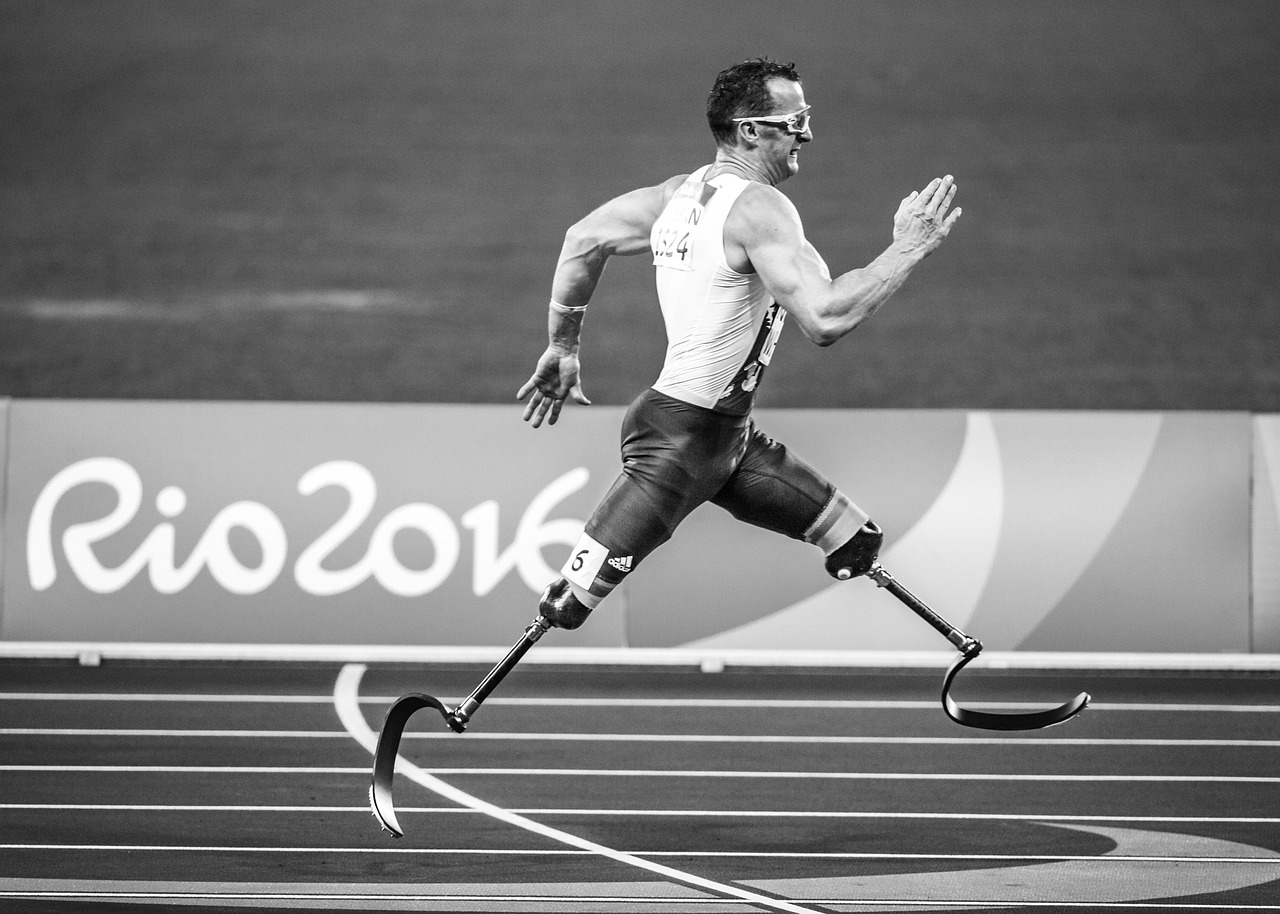
Moreover, bioinspired robotic prosthetics can offer varied advantages tailored to the athlete’s sport. For runners, lighter materials and bio-mechanical designs enable sprinting with unprecedented speed. Technologies like carbon fiber blades have transformed sprint mechanics, allowing athletes to maximize their thrust and maintain speed. In sports that require agility, like basketball, the ability to pivot and leap becomes remarkably enhanced. These specialized designs cater to the demand for performance in diverse settings, driven by sport-specific research and development. Each design variation merits consideration as unique challenges arise in different sports. This enables athletes to be equipped optimally for their individual events, fostering better outcomes universally. Collaboration among physiotherapists, biomechanists, and prosthetic engineers ensures that these specialty enhancements are effective and safe for athletes. Furthermore, the integration of sensors into prosthetics can monitor performance metrics during training, allowing for quicker adjustments. This data collection translates to better training experiences, driving athletes to reach new personal bests. Through targeted advancements, bioinspired prosthetics exemplify the future of paraplegic sports equipment, enabling athletes globally to push their limits and achieve their dreams.
Impact on Training Regimens
Integrating bioinspired robotic prosthetics into training regimens represents a shift in approach for many athletes. With these advanced tools, training is no longer limited to physical strength but also encompasses technological adaptation. Athletes learn to use their enhanced limbs effectively, which requires practice and time. Training programs now include not just drills but also sessions focused on mastering the technology itself. The synergy between man and machine in athletic training has opened new avenues for improving performance. Coaches play a critical role in guiding athletes to familiarize themselves with their devices while refining their skills. The result is an adaptable training approach that tailors workouts to both the athlete’s physical capabilities and the technology at their disposal. Additionally, athletes report elevated motivation levels as they witness tangible improvement. The feedback from their bioinspired prosthetics further enhances their awareness of movement, allowing them to refine technique and gain confidence. This symbiosis between the athlete and robotic devices represents a significant advancement in performance mechanics. Such methods not only help boost performance metrics but also foster robust relationships within athlete teams, enhancing the competitive environment. This evolution is pivotal in the journey of Paralympic sports.
The role of community support is equally essential in the success of athletes using bioinspired robotic prosthetics. The integration of various stakeholders—including engineers, coaches, and rehabilitation specialists—creates a comprehensive support network. This network facilitates further advancements and emotional backing for athletes throughout their competitive journey. Families and friends play a vital role, reinforcing motivation and providing encouragement during training and competition. This support is crucial as athletes transition to using prosthetics, where they must adapt both physically and mentally to change. The execution of bioinspired designs and the process of familiarization is a group effort, embodying the ethos of teamwork. Competing in the Paralympics fosters deep connections among athletes, creating an environment that encourages sharing experiences and strategies. Community gatherings and workshops become platforms for athletes to exchange information and best practices, driving mutual growth. The resulting atmosphere nurtures a sense of belonging and camaraderie, essential for any athlete’s development. This holistic approach to support can mitigate challenges faced during training and competition, allowing athletes to better focus on their performances and achieve remarkable results.
The Future of Bioinspired Prosthetics in Paralympics
As technology continues to evolve, the future of bioinspired robotic prosthetics in Paralympics appears promising. Research now focuses on harnessing even more innovative technologies, including artificial intelligence and robotics. These innovations aim to provide athletes with even greater levels of personalization and adaptability. The scope of prosthetics will likely expand as designers and engineers develop new solutions that further align with human capabilities. Collaborative testing with Paralympic athletes will drive insight to create even more effective devices, ensuring that athletes maximize their potential. The integration of feedback loops from athletes will also refine these technologies to meet their evolving demands. Future developments may lead to fully integrated systems where prosthetics seamlessly connect to the athlete’s biological systems, offering an unprecedented level of performance and feedback. The Paralympic movement continues to inspire innovation, highlighting the incredible human spirit and possible technological achievements. Enhanced prosthetics may also drive awareness and foster greater acceptance of individuals with disabilities in sports. In the coming years, breakthroughs in bio-inspired robotics will not only influence performance metrics but also redefine the role of technology in competitive sports culture.
The use of bioinspired robotic prosthetics reflects our capacity to push past boundaries. Athletes have shown tremendous resilience in overcoming physical limitations through innovation. The journey of design underscores the intersection of art, biology, and engineering, creating tools that empower. As we continue to explore this emerging field, its implications extend to broader societal attitudes towards disability. Multiple groups advocate for equal representation in competitive sports, reaffirming everyone deserves a chance to perform at their best. Furthermore, highlighting athletic achievements challenges stereotypes associated with disabilities, inspiring future generations. The recognition of bioinspired designs expands this dialogue, showcasing advances in technology’s role in shaping inclusive sports narratives. Continuous research and interest encourage collaboration among universities, industries, and communities invested in not only supporting athletes but empowering them. This progressive movement emphasizes the importance of inclusivity within competitive spaces and aims to foster understanding. Therefore, as bioinspired robotic prosthetics advance, they symbolize more than just technological achievements. They initiate a collective exploration of abilities and capabilities, paving the way towards an empowering environment where athletes can shine, thrive, and redefine what is possible in sports.