
Using Breath Meditation to Alleviate Chronic Stress
Stress is an inevitable part of life, but chronic stress can lead to serious health issues. Many individuals find themselves in overwhelming situations that require effective coping mechanisms. One of the most effective methods for managing stress is through breathing exercises. These techniques not only help relax the mind but also promote physical well-being. Breath meditation involves mindful breathing practices aimed at calming the nervous system. By focusing attention on the breath, you can create a peaceful mental state that encourages relaxation and clarity. Emphasizing deep, rhythmic breathing improves oxygen flow and stimulates relaxation responses in the body. Many practitioners recommend incorporating this practice into daily routines to combat stress effectively. It’s also important to create a serene environment to enhance your breath meditation experience. Finding a quiet place free from distractions enhances concentration. The benefits compound with regular practice and integration into everyday life, making it a valuable tool. In this article, we explore various breath meditation techniques and their effectiveness in managing chronic stress.
Breath meditation techniques can vary significantly, leading to various strategies that suit different lifestyles. Understanding several methods will allow individuals to select the best fit for their needs. One popular technique is the “4-7-8” method, where participants inhale for four seconds, hold for seven seconds, and exhale over eight seconds. This rhythmic breathing pattern calms the mind and body, fostering tranquility. Additionally, diaphragmatic breathing focuses on strengthening the diaphragm and encouraging full, deep breaths. This method allows the body to alleviate tension and promote relaxation. Visualization techniques, where individuals visualize calming imagery while breathing deeply, can further enhance the experience. Imagery might include tranquil landscapes or peaceful scenes. Moreover, incorporating affirmation or mantra during breath work can deepen relaxation and improve focus. Developing a consistent practice of breath meditation not only alleviates stress but also nurtures a positive outlook on life. Practitioners often report improvements in overall well-being and emotional stability. Integrating these techniques into daily routines can create lasting habits that support psychological resilience during challenging times.
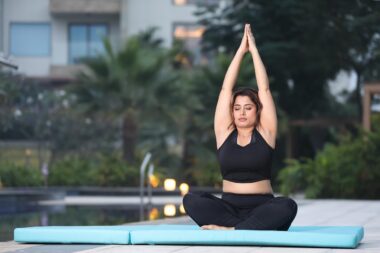
Finding a suitable time for practice is essential for optimal benefits from breathing exercises. Early morning is an excellent time for breath meditation, as the mind is generally more relaxed and free from distractions. Some may prefer practicing during short breaks throughout the day, allowing a quick reset amidst busy schedules. Evening meditation can also be valuable for winding down and preparing for restful sleep. Establishing a routine helps condition the mind and body to expect and benefit from meditation. Setting aside specific times creates consistency, further enhancing the effectiveness of these exercises. It’s also advantageous to pair breath meditation with other relaxation techniques, such as yoga or progressive muscle relaxation. Many individuals find that the combination of these practices creates a powerful toolkit for managing stress. Over time, the mind begins to associate these practices with feelings of peace and calm. You might also find value in connecting with a community of fellow practitioners, whether in person or online. Social support can provide additional encouragement to maintain a regular practice and explore various techniques and styles.
The Science Behind Breathing Techniques
Research has shown that intentional breathing techniques have a profound impact on stress levels and overall health. When practiced regularly, breath meditation can lower cortisol levels, the hormone primarily responsible for stress responses in the body. Studies reveal that engaging in controlled breathing stimulates the parasympathetic nervous system, which promotes relaxation and recovery. Additionally, breath work helps balance blood pressure, improve heart rate variability, and enhance emotional regulation. As the body adapts to these practices, individuals often experience less anxiety and greater resilience. Physiologically, deep breathing can improve lung capacity and oxygen distribution throughout the body, leading to improved physical performance. Moreover, focusing on the breath encourages a state of mindfulness that reduces rumination and promotes present-moment awareness. Several institutions advocate for breath meditation as an effective complementary therapy in both clinical settings and everyday life. By encouraging patients to engage in these techniques, healthcare practitioners aim to empower them with self-regulation tools that enhance well-being and mitigate stress. Breath meditation serves as a bridge connecting mind and body, fostering an environment conducive to healing and serenity.
To enhance your breath meditation practice, consider incorporating specific techniques that align with your goals. Mindfulness is an essential element; thus, attention should be directed towards the physical sensations of breathing. Observing the air entering and leaving your nostrils or noticing the rise and fall of your abdomen grounds you in the moment. Furthermore, exploring guided meditation apps or videos can provide structure and inspiration, particularly for beginners. Many platforms offer tailored sessions that introduce calm music or nature sounds to enhance relaxation. Another approach involves pairing your breath meditation with aromatherapy; calming scents like lavender can complement the practice. People report that this combination deepens their sense of tranquility and promotes relaxation. Determine which elements resonate with you and experiment with them. Journaling about your experiences after each session can also foster self-awareness and growth. Not only will reflecting on your practice help gauge progress, but it also encourages personal insights into stress patterns and triggers. Ultimately, customizing your breath meditation journey fosters a deeper connection to self-care and relaxation.
Commitment and Consistency
Consistency remains crucial for breath meditation’s long-term effectiveness. Establishing a commitment to practice regularly is more beneficial than sporadic sessions. Aim to engage in at least ten minutes of focused breathing exercises a day to begin. As you progress, gradually increase the duration and frequency. Allow time for growth and adaptation as new habits emerge. Additionally, integrating breath meditation into daily routines can aid in sustaining commitment. For instance, starting or ending your day with breath work may become a natural, comforting ritual, reinforcing its importance. Alternatively, using reminders or setting aside dedicated time slots throughout the day can sustain motivation. Sometimes, joining a local class or online community enhances accountability and fosters connection. Having a supportive environment encourages exploration of techniques alongside fellow practitioners. Feedback from others can also refine your approach and deepen your understanding of breath meditation. As you continue your journey, embrace the transformative potential of responsive breathing techniques. A habit formed over time will lead to substantial benefits that promote resilience against stress and foster overall well-being. Remember, it’s a profound gift you give to yourself and your future.
In conclusion, breath meditation serves as an effective and empirically supported method for alleviating chronic stress. The versatility of different techniques allows individuals to tailor their experience according to personal preferences. Engaging in breath work counteracts the physiological and emotional effects of stress, equipping practitioners with necessary tools for self-regulation. Additionally, building consistency and commitment to the practice reinforces its benefits. Gradually integrating breath meditation into daily life enables individuals to cultivate a more peaceful and centered state of being. The positive impacts extend beyond moments of stress, enriching overall quality of life. As you explore these techniques, remember that progress may vary, and patience is essential. Celebrate small victories and foster a growth mindset as you embark on this wellness journey. Overall, breath meditation serves as a bridge connecting mind and body, fostering healing and serenity. Harnessing the power of the breath empowers individuals to reclaim their inner peace and navigate life with greater ease. Take the first steps today in creating a personal practice that supports your mental and emotional well-being, and embrace the restorative benefits of mindful breathing.
Furthermore, it is essential to understand the significance of integrating breath meditation with other stress management strategies. While breath work is a powerful tool in isolation, combining it with techniques like physical exercise, healthy eating, and quality sleep can enhance overall effectiveness. Exercise significantly reduces stress hormones while increasing the production of endorphins, commonly referred to as “feel-good” hormones. Similarly, maintaining a balanced diet provides the nutrients necessary for optimal brain function and emotional stability. A holistic approach to stress management recognizes how interconnected these elements are in creating a healthy lifestyle. For instance, consider pairing breath meditation with regular workouts to enhance outcomes, as physical fitness promotes body awareness and stress relief. Additionally, prioritizing restorative sleep is paramount; quality rest establishes the foundation for resilience against daily stressors. Thus, creating routines that incorporate breath meditation and other approaches leads to a comprehensive strategy for stress management. Moreover, seeking professional guidance from therapists or wellness coaches can provide additional pathways to explore enriching your practice. Overall, the synergy of various stress relief techniques sets the stage for a more balanced, fulfilling life.