
Using Massage to Reduce Muscle Tightness and Facilitate Flexibility Workouts
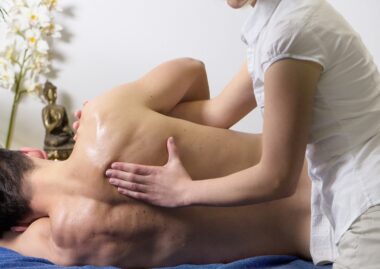
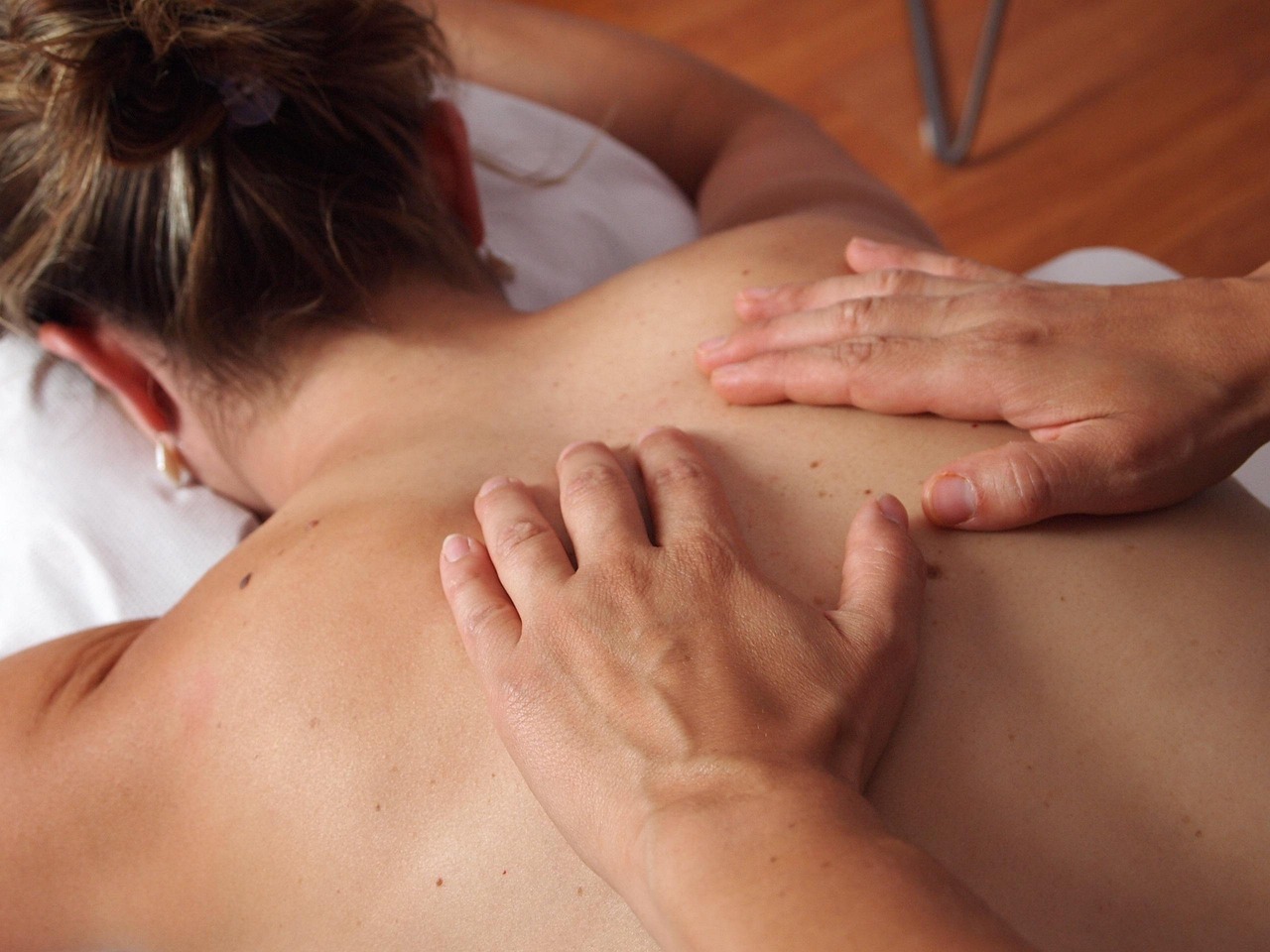
Massage therapy is becoming increasingly integrated into fitness routines, particularly for individuals aiming to enhance their flexibility. As muscles contract, they may become tight, limiting range of motion and potentially leading to injuries. Regular massage sessions can help soften muscular tension, allowing for greater movement efficiency. Through various techniques, such as Swedish and deep tissue massage, therapists target tight areas and break down knots that restrict muscle function. This process not only alleviates discomfort but also promotes relaxation, which is crucial for effective stretching. Moreover, incorporating massage into a regular fitness regime can renew one’s dedication to a flexibility workout plan. Many people report feeling more motivated to engage in stretching exercises after experiencing the benefits of massage therapy. It plays an essential role in balancing rigorous training with recovery, ensuring that muscle groups remain pliable and responsive. Overall, utilizing massage therapy as a tool to reduce tightness can significantly enhance performance during flexibility workouts. Transforming how we approach flexibility begins with understanding the connection between muscle relaxation and enhanced mobility for a more successful training experience.
Incorporating massage therapy into your routine can significantly facilitate muscle recovery after intense workouts. When engaging in flexibility workouts, tight muscles often hinder progress and lead to discomfort. Therefore, understanding the benefits of massage in this context is essential. Massage enhances blood circulation, which is vital for muscle recovery and overall health. Increased circulation delivers essential nutrients and oxygen to your muscles, promoting faster healing processes. Techniques such as sports massage focus on specific muscle groups, thus addressing tightness resulting from strenuous physical activity. Massage also activates the lymphatic system, helping to remove metabolic waste accumulated in muscles during exercise. As a result, athletes who prioritize massage as part of their training strategies often experience fewer injuries and quicker recovery times. Furthermore, regular massages lower cortisol levels, reducing stress and tension in both the body and mind. This mental clarity can significantly impact motivation and energy for future workouts. Ultimately, enhancing your flexibility training with massage therapy doesn’t just feel good; it equips you with the tools to create long-term improvements in muscle function and flexibility, leading to greater overall fitness success.
The Synergy of Massage and Stretching
Massage therapy and stretching are complementary practices that can vastly improve flexibility. Together, they create a powerful synergy that maximizes benefits for muscle health. Before a workout, massage can warm up muscles, prepping them for stretching. Warm muscles are more relaxed, making them easier to elongate during stretching exercises. The increased elasticity minimizes the risk of strains and injuries, allowing for a safer workout environment. Conversely, post-workout massage helps in reducing post-exercise tightness and soreness. By releasing tension and promoting circulation, massage therapy facilitates the restoration of muscle balance. Incorporating a combination of both practices ensures that muscles are not only warmed-up effectively but also encouraged to lengthen and recover correctly. Massage techniques like effleurage and petrissage enhance the blood flow to the muscles, fostering greater elasticity. For individuals focusing on flexibility, this combination provides a multifaceted approach to training. By scheduling massages regularly around flexibility workouts, individuals can enhance recovery while bolstering session effectiveness. Embracing this holistic strategy leads to substantial improvements in overall range of motion and flexibility gains.
When targeting flexibility, it’s crucial to select the right massage techniques tailored to your needs. Different modalities may yield varying results, emphasizing the importance of consultation with a trained therapist. Techniques such as myofascial release specifically target fascia, the connective tissue surrounding muscles. This deep tissue approach addresses restrictions, allowing muscles to reach their full extent during flexibility work. Another effective method is trigger point therapy, which focuses on areas of intense muscle tightness. By applying steady pressure, therapists can release knots that prevent muscles from achieving their desired length. Clients who experience relief from these techniques often feel immediate benefits in flexibility. Additionally, aromatherapy combined with massage can enhance the relaxation experience. Essential oils like lavender and eucalyptus further soothe tight muscles, creating a calming environment conducive to flexibility training. Encouraging open communication with your therapist helps ensure that your personalized massage sessions effectively cater to your specific flexibility goals. Properly chosen techniques lead to optimal results, supporting significant gains in flexibility. Continuously evaluate how different methods impact flexibility to adjust and optimize the benefits of massage in your routine.
Creating a Customizable Massage Plan
Designing a personalized massage plan is essential for maximizing flexibility outcomes from therapy. Everyone’s body is unique, and understanding your specific needs is vital for enhancing flexibility effectively. A thorough assessment by a qualified therapist can provide insights into which muscles require attention and the best techniques to address them. Regularity matters; scheduling sessions at consistent intervals can compound the benefits. Weekly massages may yield quicker results, while bi-weekly sessions can maintain muscle relaxation between flexibility workouts. Adding stretching routines into these massage sessions can facilitate a comprehensive approach, allowing therapists to incorporate movements that mimic stretching during the massage. This integration provides immediate feedback on muscle response and flexibility improvement. Furthermore, consider tracking progress over time through detailed notes. Observing changes in muscle tightness and overall flexibility not only helps therapists adjust techniques but also empowers individuals in their journey. Understanding the power of personalized plans enhances the effectiveness of massage therapy while promoting a deeper connection with your body. With collaborative efforts, muscles can adapt better, leading to a more successful journey towards ultimate flexibility.
Aside from enhancing direct muscle flexibility, massage therapy contributes to overall physical well-being. By alleviating muscle soreness and tightness, it encourages active participation in flexibility workouts. Such participation breeds confidence in achieving fitness goals. Moreover, regular massages help to minimize anxiety and tension, fostering a peaceful mental state that supports your exercise regime. This calming aspect of massage allows for a clearer mind, essential for focusing on technique during workouts. Additionally, improved body awareness is a significant bonus; understanding one’s bodily limits encourages responsible stretching practices that prevent injuries. As individuals learn to listen to their bodies, they develop smarter training strategies. Therefore, those who incorporate massage therapy often report not just physical improvements but mental clarity as well, resulting in a holistic transformation. Encouraging self-care practices through massage promotes better routines and mindfulness in overall fitness approaches. The benefits extend beyond the physical, enhancing daily life by increasing energy levels and reducing stress. Ultimately, optimizing flexibility workouts with regular massage therapies leads to a balanced and empowered lifestyle centered around wellness.
Conclusion: Embrace the Benefits of Massage Therapy
Integrating massage therapy into your flexibility workouts is a powerful strategy for overall physical enhancement. Not only does it alleviate muscle tightness, but it cultivates a deeper connection between body and mind, fostering better workouts overall. Remember that consistency is key in witnessing the full benefits of massage therapy. Establishing a routine that includes effective stretching and proper recovery through massage will support fitness goals. Each session provides an opportunity for muscle improvement and an understanding of personal limits, encouraging a deeper bond with one’s body. As flexibility evolves over time, so too does the effectiveness of dedicated practices to enhance and maintain it. Seek a licensed therapist to develop a personalized plan that addresses your needs and goals. Embrace this holistic approach to fitness, ensuring that massage therapy becomes a permanent fixture in your flexibility routine. Ultimately, the combination of massage and stretching empowers individuals to achieve optimum range of motion, contributing immensely to overall wellness. Enjoy the journey towards enhanced flexibility and remember that every step taken together with professional guidance should be celebrated.
In conclusion, enhancing flexibility through massage therapy is a journey that enriches both physical and mental health. It promotes an active lifestyle and fosters lasting improvements in muscle condition. As you embark on this journey, take note of how your body responds to different methods, adjusting as needed to align with your personal goals. Seeking guidance from professionals ensures safe and productive experiences, making each therapy session count. Overall, massage therapy is a game-changer for flexibility training, providing not just immediate relief but also lifelong benefits. Create a structured plan, engage with qualified therapists, and remain consistent for optimal results. The fusion of enhanced flexibility and mental wellness makes for a powerful combination, paving the way for future successes in fitness. Let massage therapy be the catalyst for your flexibility journey, promoting recovery and encouraging self-awareness as you work on your fitness goals. Every session contributes to a stronger, more flexible body. Ultimately, the results will resonate in every aspect of life, amplifying the positive effects of regular physical activity.