
Yoga and Pilates Challenges to Boost Your Home Workout
Practicing Yoga and Pilates at home has become increasingly popular for enhancing physical fitness as well as cultivating mental well-being. To reap maximum benefits, incorporating challenges into your routine can help to keep motivation high and progress consistent. One such challenge is setting a specific time each day to engage in these practices. For instance, dedicate 30 minutes daily to Yoga or Pilates, allowing time for flexibility and strength. Add variations to your routine by focusing on different styles such as Hatha Yoga or Power Pilates. Various online resources, like classes and tutorials, offer opportunities to explore diverse techniques. Moreover, joining social media challenges or communities can provide accountability. Keep track of your progress by journaling or using fitness apps. Set personal goals, such as mastering a complicated pose or completing a specific number of classes. Also, ensure your practice space is optimized for comfort. Create a peaceful environment, perhaps with soothing music or aromatherapy. Finally, always allow time for cooling down and reflecting after workouts. Amplifying the yoga and Pilates experience can lead to profound improvements in your health and overall well-being.
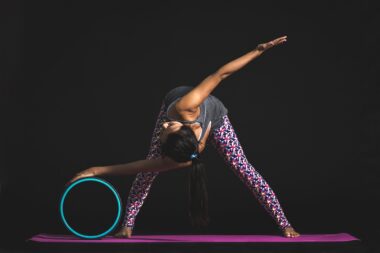
Incorporating props into your home practice can greatly enhance your Yoga and Pilates workouts. Props such as blocks, resistance bands, or stability balls can facilitate deeper poses and improve core engagement. Consider using a yoga strap to assist in reaching difficult positions. Resistance bands can help increase strength while allowing for varied resistance levels. Stability balls can provide an unstable surface for engaging your core and enhancing balance. Additionally, a mat is essential for ensuring comfort and proper alignment during exercises. An understanding of how and when to use these props can elevate your routine and offer new insights. Designate specific days to work on certain goals using props. For example, focus on flexibility one day, strength-building the next, and balance exercises later. Substituting props as needed keeps your routine fresh and exciting. Seek guidance from online classes that provide information on effective prop usage. Many instructors offer workshops specifically highlighting prop-based practices. Over time, you may discover unique ways to utilize these tools. The right props can take a common exercise and transform it into an exhilarating challenge, perfectly tailored to enhance your home fitness experience.
Setting Specific Goals for Your Practice
Establishing clear, measurable goals for your Yoga and Pilates home practice can substantially boost your motivation and sense of accomplishment. First, consider what you want to achieve: increased flexibility, improved strength, or a deeper connection with your mental self. Determine short-term goals, such as perfecting a specific pose or completing a certain number of classes weekly. Long-term goals, such as completing a 30-day challenge, can also offer valuable milestones. Document these goals in visual formats, like a vision board or a checklist. This visualization can help maintain focus on progress made. Additionally, sharing your goals with friends or fellow practitioners can provide an added layer of accountability, encouraging you to stay committed. Online platforms abound with supportive communities that can assist in this endeavor. Adapt your goals as necessary; evaluating your progress ensures that you stay in tune with your body and its capabilities. Remember, it’s crucial to listen to yourself throughout this process, prioritizing self-care. Attuning to your needs signifies a commitment to your well-being while helping you continuously advance within your practice.
Cardio workouts can complement your Yoga and Pilates routine, providing a balanced approach to fitness and engagement. Consider incorporating some high-intensity interval training (HIIT) sessions alongside your sessions. HIIT elevates heart rate while promoting fat burning and enhancing endurance. You can alternate between cardio workouts and your Yoga or Pilates sessions, ensuring that your body remains challenged while preventing boredom. A simple jump rope routine or jogging around your living area can boost cardio fitness. Moreover, dance-based workouts can be both fun and effective for mixing things up. Consistency is key here—commit to a predetermined schedule, integrating cardio with your primary routine. Additionally, consider tracking your heart rate and overall fitness levels; this information can provide insight into progress while encouraging you to improve further. You may also join virtual classes or local meetups to enhance community engagement as you embark on new challenges. Ultimately, finding enjoyable methods of cardio that you look forward to will ensure your fitness journey becomes sustainable and enjoyable over time. This multifaceted approach can create overall satisfaction and positive results.
Bringing Meditation into Your Routine
Integrating meditation into your Yoga and Pilates practice adds a different dimension that enhances both the physical and mental benefits. Meditation fosters mindfulness, awareness, and emotional clarity; all are essential when engaging physically. Begin each session with a few moments of deep breathing, centering yourself before diving into your physical practice. As you progress, consider dedicating specific days to focus solely on meditation. Techniques such as guided meditation apps or videos provide structured learning opportunities. Aim for a consistent duration, even if just 5-10 minutes to begin with, gradually increasing over time. Create a calming atmosphere by dimming lights or lighting candles to enhance your experience. Coupling meditation with visualizations can further enhance personal growth during this period. Visualize your progress or goals, imagining each step you wish to accomplish. You may also explore different meditation styles, from Yoga Nidra to mindful breathing exercises. The dual combination of meditation with physical practice can lead to profound changes in both your approach to fitness and wellness mindset. Overall, carving out space for meditation nourishes deeper connections to your yoga and Pilates routines.
Maintaining a healthy diet is a paramount aspect of supporting your Yoga and Pilates challenges at home. Nutrition complements your workouts, providing essential fuel for your ongoing endeavors. Focus on incorporating a well-balanced diet rich in fruits, vegetables, whole grains, lean proteins, and healthy fats. Perhaps plan meal prep sessions at the beginning of every week. Doing so equips you with nutritious meals, enhancing consistency in your eating habits. Hydration should also be prioritized, as it plays a crucial role in both physical performance and recovery. Consider drinking plenty of water throughout your workouts, as well as optimal post-workout snacks. Simple options, like a banana with almond butter or a smoothie, can replenish energy levels effectively. You may also explore plant-based recipes for inspiration, helping to develop a broader understanding of nutrition. Participating in online nutrition workshops can also aid in understanding how food choices affect your practice. Experimenting with different dietary approaches based on personal preferences may help you discover what works best. Ultimately, conscious eating in tandem with your Yoga and Pilates challenges will yield optimal results.
The Importance of Consistency and Routine
To truly benefit from Yoga and Pilates practice at home, establishing a consistent routine is essential to reinforcing commitment and habit. Choose specific days and times of the week dedicated to practicing, treating them as important appointments. Aim to create a ritual surrounding these sessions, from setting aside a designated space for practice to wearing comfortable clothing that makes you feel good. Preparing mentally and physically beforehand helps to foster a mindset conducive to productivity. Consistency builds familiarity, and practice rooted in routine allows you to progress and track development effectively. Moreover, setting reminders on your phone or in your calendar can assist in reinforcing patterns. Block out distractions during these practice times to maintain focus, setting boundaries for those around you. Take note of how your body responds over time—the transformation from a sporadic practice to a structured regime can be monumental. Celebrate small milestones that indicate improvement—whether mastering a challenging pose or completing a set number of routines within a month. Ultimately, creating a balanced and consistent practice enhances both your physical and mental well-being.
Embracing community aspects while practicing Yoga and Pilates at home can significantly amplify enjoyment and motivation levels. Engaging with others, either locally or online, creates a sense of shared purpose and accountability. Joining social media groups, workshops, or classes can provide inspiration and support as you navigate your fitness journey. Participating in group challenges encourages friendly competition while also poising chances for personal growth. Additionally, sharing personal accomplishments and experiences can reinforce connection among peers, fostering creativity and exploration in practice. To maintain engagement with your community, consider initiatives such as virtual meetups where practitioners can convene and exchange insights. Real-time feedback and camaraderie can help you stay enthusiastic toward your routines. Regularly involving others in your practice can offer variations on techniques and methods you might not have considered otherwise. Remember, an essential part of any fitness journey is feeling supported and encouraged along the way. With friends or a community by your side, you’ll be far more inclined to achieve goals. Ultimately, surrounding yourself with positive influences fosters a broader understanding of what Yoga and Pilates have to offer.