
Exploring the Different Types of Inline Skates
Inline skating has evolved significantly, offering a variety of skates tailored for different purposes. The primary types are recreational skates, fitness skates, aggressive skates, and speed skates. Each category caters to specific skating experiences, making them popular amongst various age groups and skill levels. Recreational skates are designed for leisurely skating, typically featuring softer wheels for comfort and stability. Fitness skates provide a balance between speed and control, ideal for those looking to incorporate skating into their exercise regimen. They often come with larger wheels for a smoother ride over longer distances. On the other hand, aggressive skates are crafted for performing tricks and stunts on ramps or rails, featuring a sturdy construction that can withstand impacts. Lastly, speed skates are built for high performance and racing, utilizing a long frame that allows for larger wheels and efficient energy transfer. Each skate type influences how you move during skating, whether you’re gliding through a park or racing on a track. Choosing the right skate type depends on your specific needs, skill level, and the intended use, enhancing your overall skating experience.
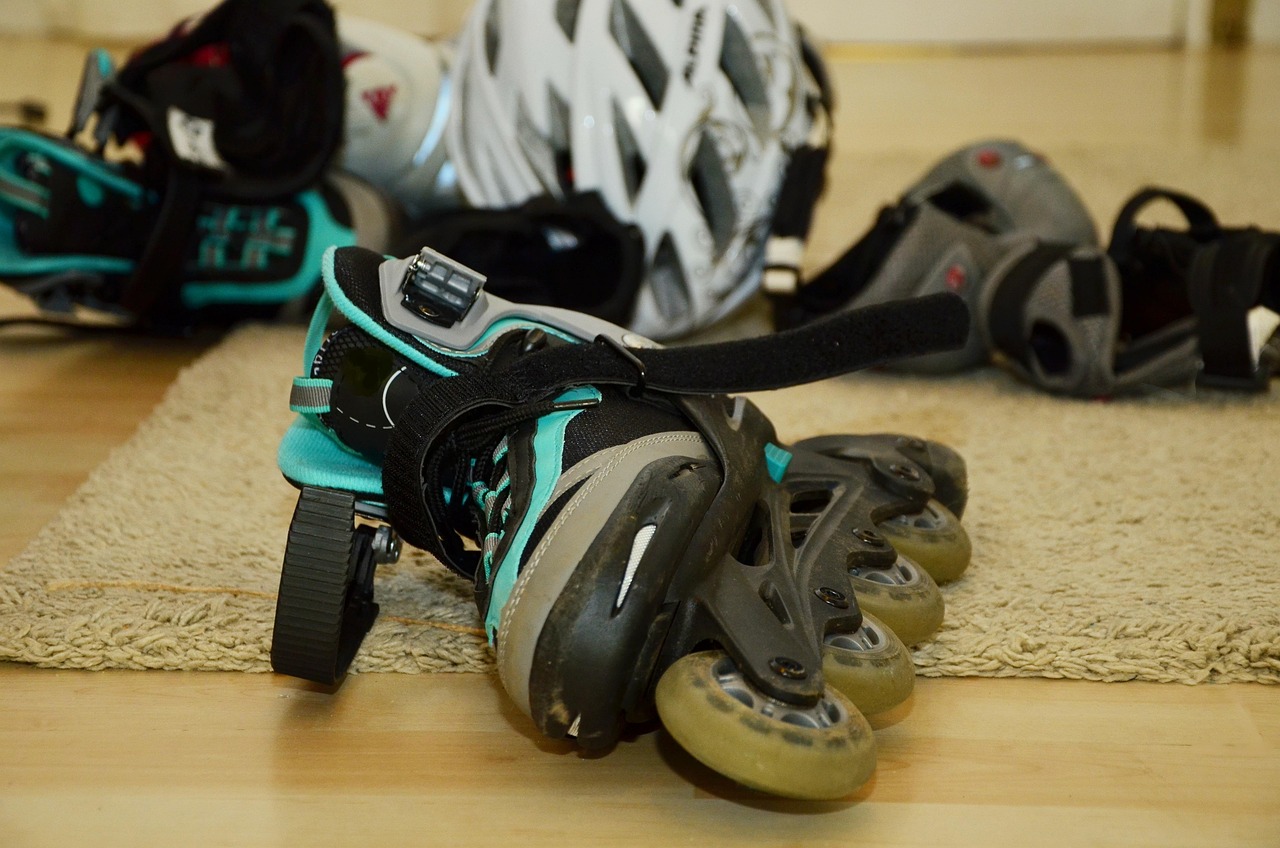
Inline skates are characterized by their wheel arrangement, which is important when selecting the right type. The traditional layout features four wheels lined up in a single row, allowing for greater speed and maximize agility. This design facilitates maneuverability, especially helpful in recreational skating scenarios where quick turns are essential. Variations include “slalom” skates with smaller, agile wheels positioned closely. These skates support freestyle movements and tricks, catering to enthusiasts who enjoy precision skating. Additionally, fitness skates maintain a similar traditional wheel alignment but typically feature larger wheels for enhanced rolling efficiency over distances. Speed skates differ significantly with an elongated frame that accommodates larger wheels boosting velocity while minimizing resistance. Most aggressive skates, however, have a shorter wheelbase to promote stability during trick execution. The choice of wheels also plays a crucial role in performance, where hardness, diameter, and materials impact how the skates handle. Softer wheels offer traction and cushion for rougher terrains, while harder wheels glide smoothly on smooth surfaces. When exploring inline skating options, consider how the wheel configuration matches your style and preferences, ensuring an optimal balance between performance and comfort.
Beyond the design, inline skates vary in material quality and construction methods. Generally, the frame is made from aluminum, plastic, or composite materials, affecting weight and durability. Aluminum frames are lightweight yet robust, providing excellent support for athletes pushing their limits. Plastic frames are often more affordable and suitable for beginners who prioritize comfort. Composite materials, typically found in high-end models, merge lightweight features with durability. The boot also warrants attention, with models available in hard and soft shells. Hard-shell boots offer superior ankle support for advanced skating and aggressive tricks. In contrast, soft-shell boots focus on comfort and breathability for recreational skating. It’s crucial to ensure a snug fit to prevent blisters and enhance skating control. Furthermore, liners made from foam or mesh materials add extra cushioning, ensuring a comfortable experience during prolonged sessions. When assessing skates, consider your skating goals and the type of skating you engage in regularly. Remember, quality skates can significantly enhance your performance, making it imperative to invest in a pair that meets your specific needs and riding style.
Choosing the Right Size and Fit
Selecting the right size and fit for inline skates is vital to ensure an enjoyable experience. Ill-fitting skates can lead to discomfort, blisters, and reduced control. Most brands provide sizing charts that guide buyers through the selection process. It’s often recommended to measure both length and width of your feet, as many people have different foot shapes and sizes. Inline skate sizes may vary by brand, so always try skates before purchasing them, if possible. Remember to wear appropriate socks to mimic your usual skating conditions. Skating socks should be thin and moisture-wicking, promoting comfort while minimizing foot movement within the skates. Pay attention to areas such as the heel and toe box; they should feel snug without constricting blood flow. If you feel any discomfort, or swaying within the boots, it’s a sign that the sizing may not be right. Additionally, break-in periods are common with new skates, so allow time for your footwear to adapt to your feet. This approach can help eliminate discomfort over time while maximizing performance on your skate sessions.
Maintenance of inline skates plays a significant role in performance and longevity. Regular upkeep ensures they remain safe and functioning optimally. It’s essential to clean your skates after each use, especially if skating outdoors. Dirt and debris can gnaw away at the wheels and bearings over time. A soft, damp cloth works well for cleaning surfaces, while a brush can help remove any stuck particles from under frames and boots. Frequently inspect wheels for wear and tear, replacing them once they become uneven or significantly scratched. The bearings should also be considered; they can accumulate dust, reducing performance. Cleaning bearings involves removing them from the wheels and using a cleaning agent suitable for bearings. A good rule of thumb is to check these components every few months or sooner if you skate frequently. Ensure you have a maintenance kit ready, complete with a wrench, spare bearings, and replacement wheels. A small investment in maintenance extends the lifespan of your skates and improves your skating experience. Ultimately, taking care of your inline skates means more time enjoying the ride and less time worrying about replacements.
The Benefits of Inline Skating
Inline skating offers numerous health and social benefits, making it a favored activity for individuals of all ages. Primarily, it serves as an excellent cardiovascular exercise, enhancing heart health and endurance. Regular skating routines can improve your fitness level, increasing stamina while burning calories efficiently. This low-impact sport is easier on the joints than many high-impact activities, making it a suitable choice for those with joint concerns. Additionally, inline skating helps develop and strengthen various muscle groups, including legs, core, and back muscles, contributing to a well-rounded physique. Beyond physical health, inline skating fosters social connections when participated in group settings. Many enthusiasts find joy in engaging with fellow skaters during local events, meet-ups, or recreational areas. This social aspect adds motivation and enjoyment to the experience. With a healthy lifestyle, inline skating encourages discipline and goal-setting. Whether it is racing, performing tricks, or simply enjoying leisurely glides, engaging consistently builds a sense of achievement. In short, inline skating positively affects physical well-being while enriching social lives—an activity worth considering for its comprehensive benefits.
As technology continues to advance, innovations in inline skate design make it an exciting time for enthusiasts. Manufacturers are introducing cutting-edge features, such as customizable boot designs, ensuring a personalized fit for optimal comfort. Enhanced materials are also entering the market, resulting in lighter skates that retain durability. Technological improvements in wheel design, such as the introduction of hybrid wheels, allow for a smoother ride across various surfaces, enhancing performance regardless of the environment. Innovative safety features like brake systems and reflective materials are being integrated into skates, prioritizing rider safety during evening or low-light conditions. These advances ensure that inline skating remains accessible to beginners while catering to the needs of experienced skaters who desire speed and agility. Moreover, advancements in skate technology encourage participation in competitive events, increasing interest in the sport overall. As more people become aware of inline skating’s numerous benefits, the community continues to grow. If you’re considering getting into inline skating, you can now find a wide array of options, ensuring that there’s a suitable choice for everyone. Prepare to embark on a thrilling journey filled with creativity, fitness, and fun when you select your perfect inline skates.