
Incorporating Pilates into Rehabilitation for Mobility Recovery
Pilates is increasingly recognized not only as an exercise but also as an effective form of rehabilitation for those looking to enhance their mobility. Essential to rehabilitation is the restoration of range and functional ability, which Pilates can significantly aid. This exercise integrates movements that improve flexibility, core strength, and overall body awareness. Physically, individuals recovering from injuries or surgeries often experience tightness or weakness that restricts mobility. The focus on controlled, precise movements in Pilates allows participants to safely strengthen their muscles without risking further injury. Research indicates that Pilates can help individuals improve proprioception, which is crucial for balance and coordination. Furthermore, Pilates promotes the alignment of the body, reducing compensatory movements that can lead to additional strain and discomfort. With its strong emphasis on breath control, Pilates also contributes to relaxation, further alleviating the psychological barriers to movement during rehabilitation. Ultimately, employing Pilates in recovery settings provides patients with the tools needed to regain movement efficiency, build strength, and foster confidence as they transition back into their physical activities.
The Principles Behind Pilates for Mobility Enhancement
The principles of Pilates focus on core strength, flexibility, concentration, precision, control, and breath, each playing a vital role in enhancing mobility. Core strength ensures that the body’s alignment remains stable during movement, enabling smooth transitions between positions. Flexibility is crucial, as tight muscles can inhibit movement and increase the risk of injury. Through regular Pilates practice, individuals develop better elasticity of the muscles and connective tissues, leading to improved range of motion. Concentration in Pilates encourages participants to focus on their movements and body signals, fostering a strong mind-body connection essential for rehabilitation. Precision refers to the need for deliberate and accurate movements, which allows individuals to progress without jeopardizing their recovery. Control is critical, as each exercise is performed slowly and thoughtfully, reducing the likelihood of injury. Finally, breathing techniques teach participants to coordinate breath with movement, further promoting relaxation and reducing tension in the muscles. By integrating these core principles into rehabilitation, Pilates supports the body’s natural healing processes while enhancing mobility effectively and safely.
Incorporating Pilates into rehabilitation programs offers numerous physical benefits. Improved strength and flexibility lead to a greater range of motion, reducing restrictions from injuries or chronic conditions. By focusing on alignment and posture during exercises, participants learn to maintain a neutral spine and activate key muscle groups critical for progressive mobility. This work not only helps in alleviating pain but also enhances overall functionality in activities of daily living. Additionally, Pilates is customizable to individual needs, allowing adjustments for varying ability levels and specific rehabilitation goals. Therapists can design modified exercises that cater to individual rehabilitation requirements while progressively challenging them as they advance. Furthermore, Pilates fosters a supportive environment where participants can explore their capabilities and limitations safely. This aspect is especially important in recovery, where psychological confidence can impact physical progress. A focus on gradual improvements motivates individuals and encourages a commitment to their rehabilitation journey. Integrating Pilates with traditional rehabilitation techniques, such as physical therapy, provides a holistic approach, addressing both physical and mental aspects of recovery.
Successful Techniques for Using Pilates in Rehabilitation
Utilizing Pilates in rehabilitation involves specific techniques designed to maximize recovery benefits. Continuous assessment of an individual’s progress is critical for success. Practitioners often begin with basic movements that target the core, adaptable as recovery progresses. The use of props like resistance bands, balls, or reformers can increase the diversity of exercises while providing support and stability. Tailoring sessions to gradually challenge strength and flexibility levels prevents further complications from overexertion. Additionally, integrating breathing techniques helps decrease tension and enhance focus, crucial during recovery. Biofeedback methods, such as mirrors or real-time body cues, allow individuals to observe their performance, enhancing self-awareness and promoting correct movement patterns. Consistent practice is essential; a few classes each week greatly contribute to overall improvements in mobility. Collaboration between rehabilitative professionals and Pilates instructors ensures that protocols align with individual recovery plans, enhancing treatment efficiency. Personalized workout plans, combined with ongoing evaluations, support a structured approach to rehabilitation while integrating Pilates principles. This method is particularly effective in diminishing recovery time and maximizing functional outcomes.
For individuals recovering from specific injuries, modifying Pilates exercises is essential to accommodate limitations. For example, patients with back injuries might focus on exercises that strengthen the abdominal muscles while availing support from apparatuses to lessen strain. Hamstring or knee injuries necessitate movements emphasizing muscle engagement without deep bending or twisting. It’s crucial for those undergoing rehabilitation to communicate openly about their comfort levels, providing feedback to instructors who can adjust exercises accordingly. Modified exercises that prioritize safety while maintaining engagement ensure participants can progress steadily, avoiding any potential setbacks. Listening to body signals becomes paramount in encouraging a healing mindset during recovery. Rehabilitation through Pilates allows individuals to explore their body’s capabilities and limitations constructively and positively. In addition, encouraging breaks when necessary and incorporating gentle stretching promotes blood circulation and alleviates muscle tension. This awareness helps build trust in their abilities and fosters resilience throughout recovery. Engaging with a qualified Pilates instructor also gives individuals access to professional insight, helping them navigate the right exercises suited to their recovery goals.
Community and Support in Pilates Rehabilitation
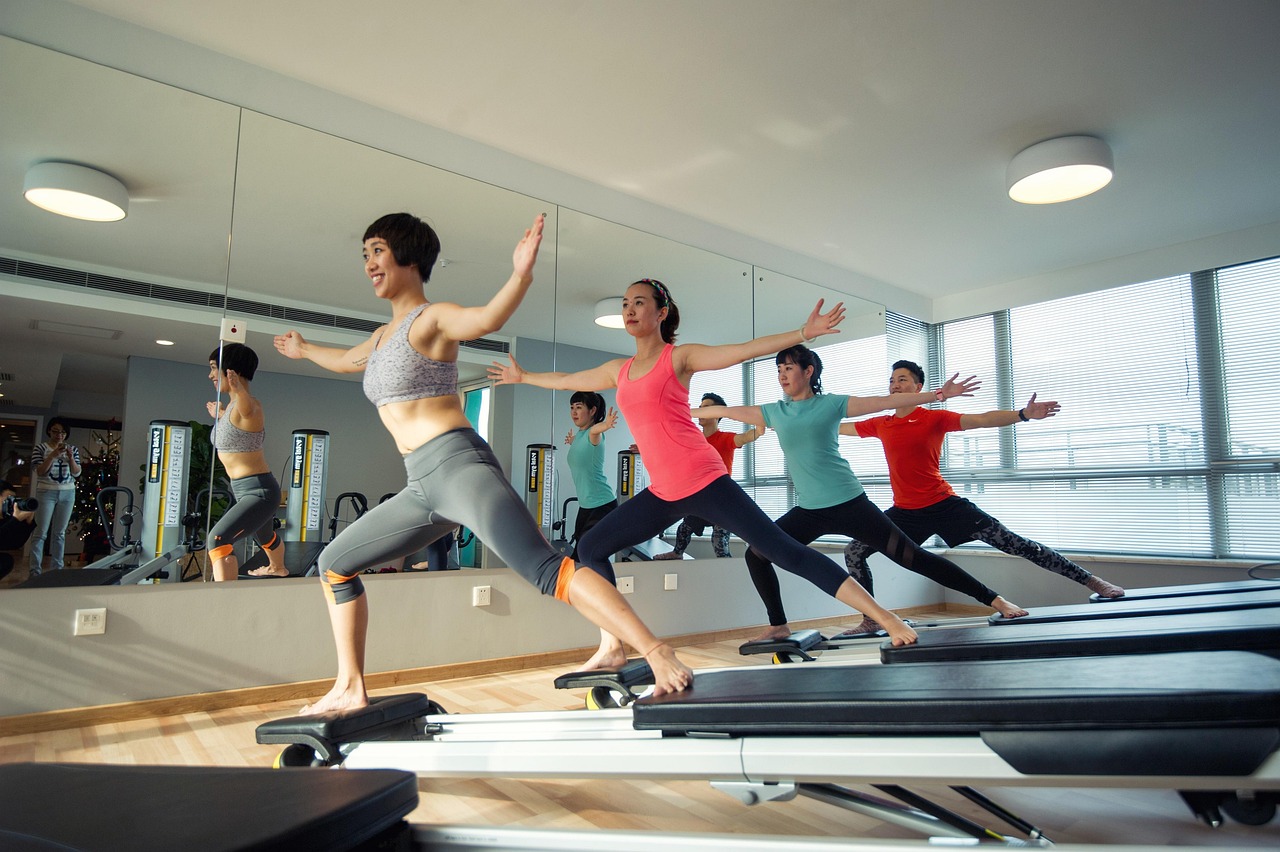
Building a sense of community among Pilates participants significantly enhances the rehabilitation experience. Group classes foster camaraderie, allowing individuals to share experiences and motivate one another. Such emotional support can play a vital role in recovery, helping participants feel less isolated and more encouraged to preserve through challenges. Engaging in group settings creates an atmosphere of encouragement and collective accountability, which can enhance adherence to a rehabilitation program. Instructors who specialize in working with injury recovery create a welcoming environment that caters to individual needs while inspiring confidence. Regularly scheduled classes promote routine and reinforce the importance of consistent practice toward achieving rehabilitation goals. Participants have the opportunity to establish meaningful relationships, further fostering support as they navigate their recovery journey. Frequent communication within the group can facilitate the sharing of feedback, tips, and positive reinforcement, creating an uplifting and motivating environment. This support plays a natural part in the overall healing process, allowing individuals to overcome barriers physically and mentally while investing in their health and well-being.
In conclusion, Pilates can be an invaluable tool in enhancing mobility during rehabilitation. Its holistic approach incorporates both physical and mental components essential for recovery. Experts emphasize the importance of a tailored approach that includes individual assessments and customized workouts to meet specific needs. Integrating core stability, flexibility, and breath control empowers individuals to regain confidence in their movement. Ongoing research continues to demonstrate its effectiveness, making Pilates an increasingly popular method among rehabilitation professionals. As individuals experience notable improvements in mobility, they may also observe increased wellbeing and overall fitness levels. Furthermore, by nurturing a strong connection between mind and body, participants may find newfound motivation to engage in ongoing physical activity, preventing re-injury. Collaborating with well-trained Pilates instructors is crucial for optimizing recovery outcomes while ensuring safety throughout the rehabilitation journey. With proper assignment of exercises, thoughtful modifications tailored to each person’s unique situation can accelerate progress. Ultimately, Pilates serves as an effective pathway, guiding individuals toward a holistic recovery that restores mobility and enhances quality of life.