
Meditation and Mindfulness for Social Anxiety Relief
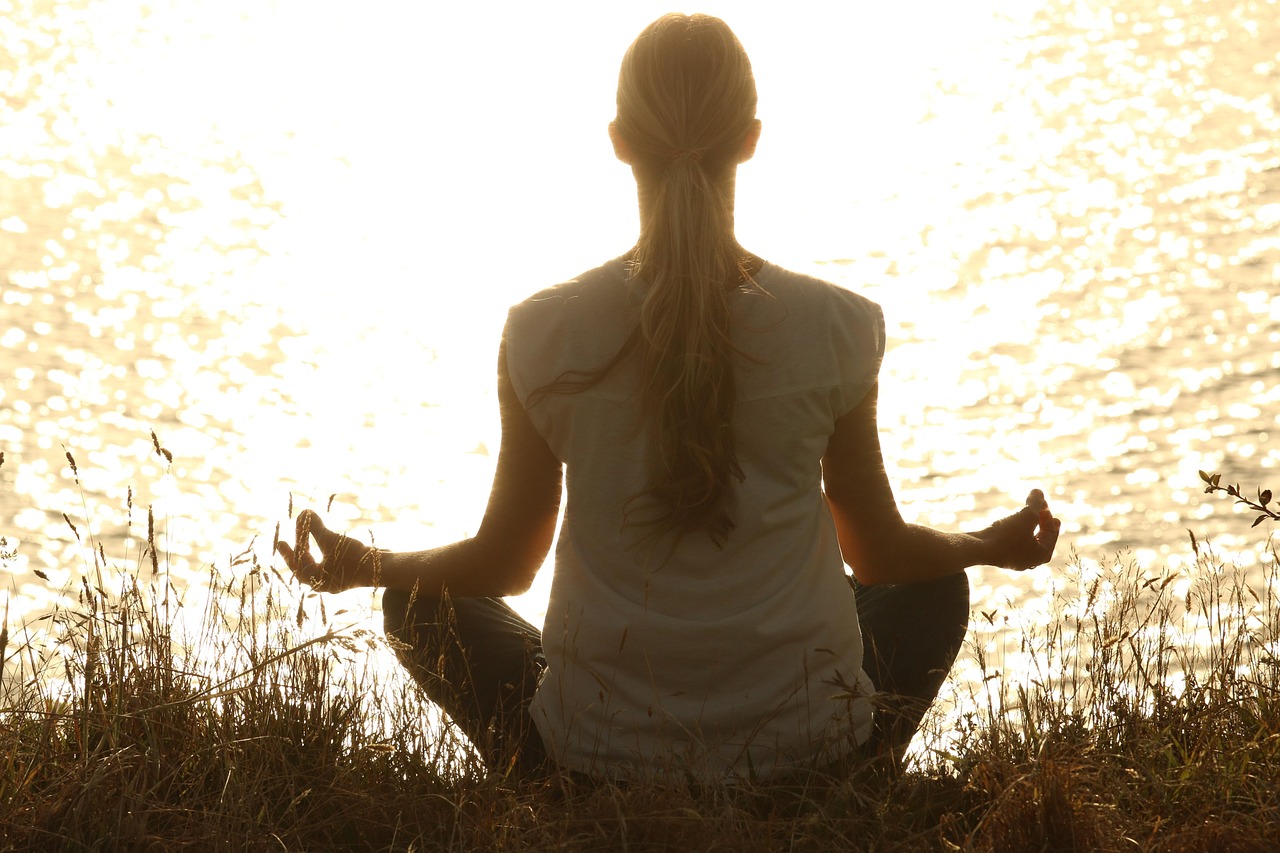
Social anxiety is a prevalent issue affecting many individuals across the globe. It can manifest in several ways, including excessive self-consciousness, fear of judgment, and avoidance of social situations. Meditation can serve as an effective tool for individuals grappling with this condition. Through consistent practice, meditation encourages individuals to observe their thoughts and feelings without judgment, fostering a sense of inner peace. Mindfulness, a key component of meditation, allows practitioners to live in the present moment, which can alleviate anxiety. Techniques such as deep breathing and progressive muscle relaxation can be particularly beneficial. Building a practice of meditation does not require extensive time commitments. Just 10 minutes a day can create significant change over time. Utilizing guided meditations or mindfulness apps can further enhance the practice. Seeking out supportive communities can also bolster one’s journey. Sharing experiences and techniques with others who understand social anxiety encourages motivation and accountability. Therefore, integrating meditation and mindfulness into daily life equips one with valuable skills to manage anxiety more effectively.
Meditation promotes mental clarity and emotional stability. As individuals consistently meditate, they may discover a reduction in anxiety levels due to improved self-awareness. This increased awareness can help individuals identify and challenge negative thought patterns that fuel social anxiety. Practicing mindfulness helps individuals respond to anxiety-provoking situations more constructively, rather than reactively. Using meditation as a daily tool can create a sanctuary from hectic life stressors. Establishing a dedicated time for meditation, preferably in a quiet, comfortable space, enhances focus and relaxation. In addition, incorporating visualization techniques can further empower individuals. Visualizing successful social interactions can decrease the fear associated with potential judgment. Journaling about meditation experiences may also provide insights into progress, revealing shifts in thought processes. It is essential for practitioners to approach meditation with an open mind and patience. Transformation takes time and consistent effort. During challenging days, it is beneficial to remind oneself of the cumulative impact of small daily practices. Moreover, being compassionate towards oneself fosters a healthier relationship with anxiety. Engaging in supportive resources, such as books and workshops, can deepen one’s practice and understanding.
Types of Meditation for Anxiety Relief
There are several meditation techniques available that specifically help manage anxiety symptoms. For example, mindfulness meditation focuses on accepting thoughts without judgment. Individuals often find their thoughts drifting; however, the goal is to acknowledge them and return focus to the breath or present sensations. Another valuable technique is loving-kindness meditation, which encourages nurturing feelings towards oneself and others. This practice helps alleviate negative self-talk that can accompany social anxiety. Movement-based practices like yoga also serve to reduce tension and anxiety in the body. Incorporating a flow of deep breathing with physical movement allows individuals to feel more grounded. Guided meditations available through various apps provide structured pathways for those new to meditation. These guided sessions can signify a lower barrier for entry and ease anxiety about self-directed practices. Additionally, incorporating affirmations during meditation can build self-confidence. Repeat phrases that foster positivity and resilience, especially before anticipated social interactions. Establishing a regular meditation schedule cultivates routine and reinforces commitment. Each practice contributes to the gradual accumulation of emotional and mental strength.
While meditation serves as a powerful tool for managing anxiety, it is crucial to combine it with other supportive strategies. Therapy, whether cognitive-behavioral therapy or a similar approach, can amplify the benefits of meditation. Professional guidance assists individuals in unpacking deeper mental patterns that contribute to anxiety. Many have found success in balancing both meditation and therapy, creating a comprehensive toolbox for emotional well-being. Additionally, maintaining a balanced lifestyle that includes physical activity, healthy eating, and sufficient sleep can significantly influence overall mental health. Engaging in group activities or support systems also serves as a practical approach to social anxiety. Surrounding oneself with understanding peers can foster a sense of belonging and relaxation. Journaling before and after meditation sessions helps to track thoughts, feelings, and progress. Visualizing different scenarios can help practitioners prepare for social anticipations. Breathing exercises, in coordination with meditation, can help lower acute anxiety during tense moments. Establishing achievable, incremental goals enhances overall motivation toward recovery. Finding joy in small accomplishments is essential during this process, fostering a sense of achievement that builds resilience against anxiety.
Creating Your Meditation Space
Establishing a dedicated meditation space at home greatly enhances the effectiveness of practice. Choose a quiet area free from distractions. Personalize your space by adding elements that evoke calmness and serenity, such as candles or soft cushions. Incorporating nature-inspired decor, such as plants or images of landscapes, creates a connection to tranquility. Also, consider adding a comfortable mat or chair to support posture during meditation. The use of aromatic essential oils or incense can deepen relaxation. Experiment with different scents to discover what resonates best with you. Sound elements, like ambient music or nature sounds, can also enhance the atmosphere. Settle on a specific time of day for meditation to build consistency effectively. The practice works best when it becomes a part of daily routine, helping to reduce the barriers to entry. Start with short sessions, gradually increasing the time as comfort grows. Remember that the ultimate goal is to cultivate an enjoyable meditation experience. Feel free to explore various techniques and materials to discover what fosters the best connection to your practice.
As practitioners dive deeper into meditation, they may encounter challenges that provoke frustration. It is important to normalize these feelings and recognize they are part of the learning process. Developing a mindfulness practice can help individuals observe their thoughts and emotions without judgment. Effectively managing distractions during meditation is another skill learned over time. Many struggle with racing thoughts or external noises. Rather than seeking to eliminate distractions entirely, one can practice returning focus to the present moment calmly. The longer one engages in meditation, the more adept they will become at managing these distractions. It is essential to remain patient and compassionate with oneself throughout the journey. Each misstep provides valuable learning opportunities that lead to growth. Seeking community support, whether through classes or online forums, fosters connection and provides additional encouragement. Additionally, tracking progress in the form of a meditation journal can reveal subtle changes over time. Celebrating these small victories reaffirms dedication to the practice. Practitioners should remind themselves of the progress they have made, establishing a more positive outlook. Prioritizing self-care during challenging days fortifies emotional resilience.
Long-term Benefits of Meditation
Consistent meditation practice offers numerous long-term benefits for managing social anxiety. Most importantly, it cultivates a greater sense of emotional awareness and stability. Through mindfulness, individuals learn to identify their triggers, enabling them to develop coping strategies beforehand. It empowers individuals to respond to anxiety with a sense of calm and clarity. Over time, meditation fosters resilience, helping individuals face challenging social situations with more confidence. The ability to enter social environments with a grounded mindset often reduces feelings of panic. Additionally, individuals may find improvements in overall emotional regulation, leading to healthier relationships both personally and professionally. This sense of self-regulation contributes directly to increased self-esteem. A heightened sense of self-awareness provides the means to progress in social contexts, tackling fears one step at a time. Practicing meditation also encourages gratitude and appreciation for everyday moments, shifting focus from what may be perceived as negative. Mindfulness invites individuals to say yes to experiences, rather than shying away due to fear. Therefore, integrating meditation techniques not only aids in anxiety relief but also fosters a rich and fulfilling life.