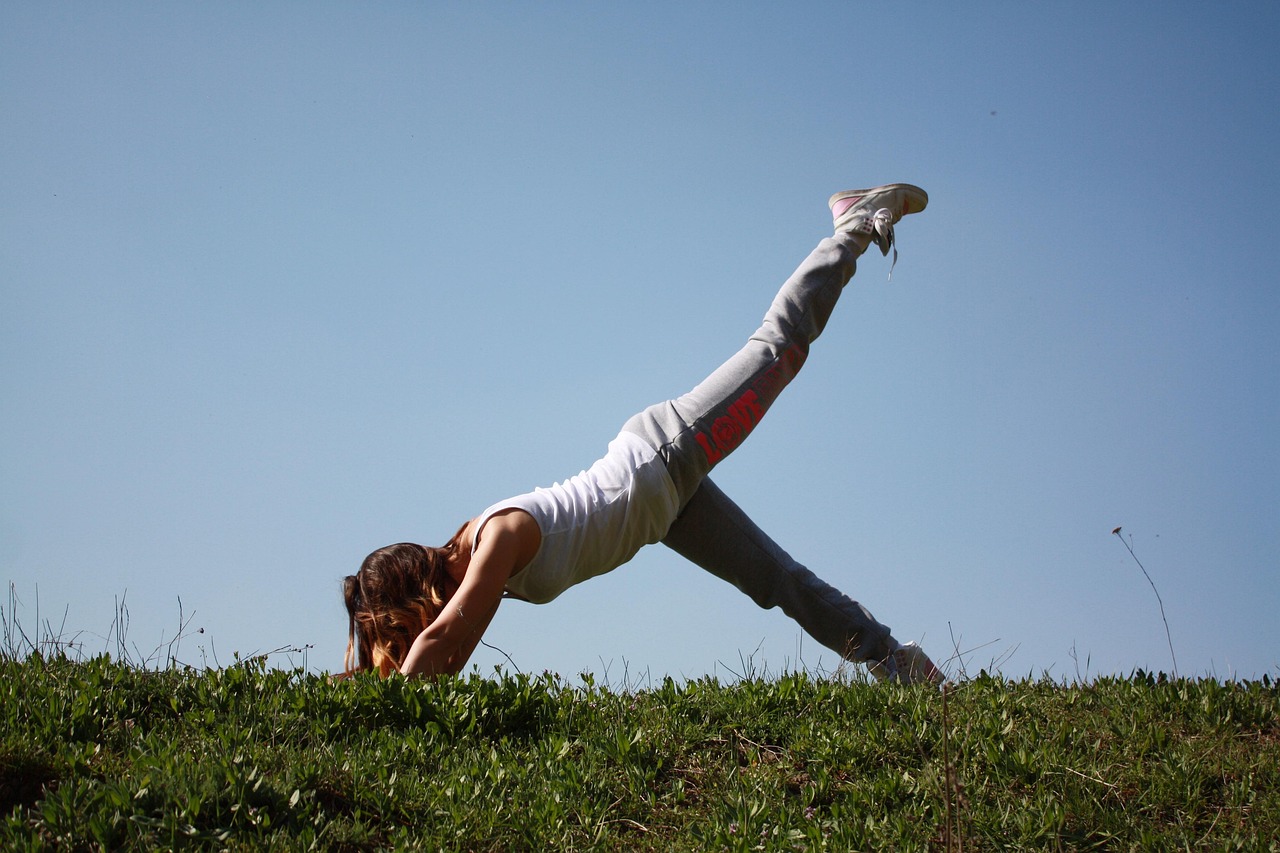

Tips to Maximize Resistance Bands Pilates Workouts
To truly benefit from Resistance Bands Pilates workouts, you should maintain proper form throughout your exercises. This ensures that the targeted muscles are engaged effectively. Pay attention to your breathing patterns as well, inhaling deeply during the preparation phases and exhaling during exertion. Each movement should be slow and controlled to avoid injury. It is also beneficial to integrate a variety of resistance bands into your routines. Different bands provide varying levels of resistance, which can challenge your muscles in unique ways. Regularly switching bands can keep your workouts fresh and engaging. You should also consider scheduling your workouts at the same time each day, as consistency is key to establishing a solid routine. Creating a space dedicated to workouts can serve as a strong motivational factor, helping you mentally prepare each time you train. Additionally, focusing on maintaining your core stability throughout the routines is crucial. Not only does this enhance the effectiveness of the exercises, but it also helps in improving overall balance and posture. Remember, variety is the spice of life, so mix up your exercises to target different muscle groups effectively.
Don’t underestimate the importance of warming up before diving into your Resistance Bands Pilates workouts. Engaging in a comprehensive warm-up routine can prepare your body for the challenges ahead. This can include dynamic stretches such as arm circles, leg swings, or torso twists. Incorporating these movements can improve circulation and flexibility, ultimately enhancing your performance during the main workout. After warming up, you should set clear goals for your session. Whether you aim to increase strength, improve flexibility, or focus on tonal changes, having defined objectives can help sustain your motivation. Consider designing a balanced workout plan that incorporates both upper and lower body exercises to achieve a well-rounded routine. It’s equally vital to cool down after your workout. End with gentle stretches targeting the muscles you’ve worked on; this helps speed up recovery and decreases soreness. Hydration also plays a crucial role. Make sure to drink water before, during, and after your workout. Staying hydrated ensures your muscles function properly and aids recovery post-exercise. Ultimately, make your Resistance Bands Pilates workouts enjoyable by listening to music or exploring virtual classes to keep your sessions fun and engaging.
Understanding Resistance Bands
Understanding the types of resistance bands is essential for maximizing your Pilates workouts. The four main types include loop bands, tube bands, therapy bands, and figure-eight bands. Each type varies in resistance levels and application. Loop bands, for instance, are excellent for lower body exercises, and their design provides a stable resistance for squats and hip exercises. Tube bands with handles offer versatility, making them great for upper body workouts and can be easily adjusted for difficulty. Therapy bands are typically lightweight and good for beginners or those recovering from injuries, while figure-eight bands are tailored for specific movements. Choosing the right band for your workout can directly influence your results and performance. Moreover, it’s essential to invest in high-quality bands to ensure they withstand regular use. Look for bands made of durable materials that offer consistent resistance. Regularly inspect your bands for any signs of wear and tear, ensuring your safety throughout your workouts. By understanding the nuances between different bands, you can tailor your Resistance Bands Pilates routines more effectively to suit your fitness goals and preferences.
Integrating resistance bands into traditional Pilates exercises adds a new dimension to your routine. Classic Pilates movements can be enhanced with bands for increased resistance, making them more challenging and effective. For example, incorporating bands during the Hundred exercise can intensify the engagement of your core muscles. Additionally, using resistance bands while performing leg circles not only strengthens the legs but also increases the stretch in your hip flexors. Ensure to follow proper form when adding bands, as incorrect form may lead to strain or injury. Modifying the tension by adjusting the band’s length can also help make exercises easier or more challenging, depending on your fitness level. Another strategic approach is alternating between body weight exercises and those with bands to keep your muscles guessing. This promotes continuous improvement and avoids workout plateaus. Engaging in Pilates with resistance bands also allows for isolated muscle engagement, which can be beneficial when aiming for strength or tone. Be patient with yourself as you progress and ensure to mix your exercises frequently to keep your regimen exciting and productive. Enjoy experimenting with new moves to find what works best for your body.
Tracking Your Progress
Tracking your progress can significantly enhance your experience and success with Resistance Bands Pilates workouts. Consider keeping a workout journal where you record your exercises, durations, and any adjustments to your bands. Documenting your routines allows you to reflect on your improvement over time. Additionally, noting how you feel during and after workouts can provide insights. If you notice that certain movements become easier, it’s a good indicator that you may need to increase your resistance. Setting short-term and long-term goals can also motivate you throughout your fitness journey. Short-term goals might involve mastering a particular exercise without using the bands initially, whereas long-term goals could target more advanced moves with the bands. Evaluating your performance periodically helps in adjusting your goals as necessary. You might also choose to incorporate fitness apps for added tracking features. Many of these apps offer workout reminders, progress charts, and even video demonstrations. Such resources can also help maintain accountability, particularly when working out with friends or in a group setting. Ultimately, celebrating small victories along the way reinforces your commitment and encourages persistence in your workouts.
Nutrition plays a vital role in enhancing the effectiveness of your Resistance Bands Pilates workouts. A balanced diet provides the body with the necessary fuel to perform optimally during exercise. Focus on consuming a variety of food groups, including lean proteins, whole grains, healthy fats, and plenty of fruits and vegetables. Aim to eat a light meal or snack about one to two hours before exercising. This ensures you have adequate energy without feeling sluggish. Post-workout nutrition is equally crucial; consuming a mix of protein and carbohydrates shortly after your workout aids recovery and muscle growth. Consider incorporating foods like Greek yogurt, or fruits like bananas into your post-workout snacks. Proper hydration is essential too. Make a habit of drinking water throughout the day, alongside your workouts, to ensure your body functions efficiently. It’s worth noting that each individual’s nutritional needs may vary, so consider seeking advice from a nutritionist or dietitian for personalized guidance. Remember, what you put into your body significantly affects your performance, recovery, and overall experience with your Pilates workouts. Prioritize your diet to complement the hard work you put into your fitness regimen.
The Benefits of Group Workouts
Engaging in group workouts can provide a significant motivational boost to your Resistance Bands Pilates training. Exercising with others fosters accountability, encouraging everyone to show up and give their all. Group settings can also introduce you to new exercises and techniques you might not have tried on your own. The dynamic shared between participants often enhances the overall energy, making workouts more enjoyable and less daunting. Additionally, group instructors can offer immediate feedback, helping ensure you’re using proper form and technique. This external perspective can be invaluable in fine-tuning your skills and mitigating risks of injury. Moreover, partnering with friends can add an element of fun to your sessions, supporting the consistency that is crucial for achieving your fitness goals. Consider joining a local Pilates class that integrates resistance bands into their regimen to further experience the benefits of group involvement. The shared enthusiasm can transform even the toughest workouts into enjoyable challenges. Collaborating with others also cultivates a sense of community, making fitness an engaging and social experience. Leverage the power of group dynamics to enrich your workouts and keep pushing your limits.