
Wearable Technology in Monitoring Athletic Training Loads
In recent years, wearable technology has emerged as a game-changer in sports analytics, particularly in monitoring athletic training loads. These devices, including heart rate monitors, GPS trackers, and smartwatches, offer athletes and coaches valuable data insights. By tracking metrics like heart rate variability, distance covered, and speed, wearables enable a comprehensive understanding of an athlete’s physical demands during training. Quantifying training loads helps prevent injuries and optimize performance. Furthermore, data collected through these devices is easily accessible in real-time, allowing for instantaneous adjustments to training regimens. As a result, athletes can tailor their workouts based on empirical evidence rather than guesswork. This approach fosters a more scientific training environment, which promotes longevity and consistency in performance. Athletes can use feedback to improve their techniques and make informed decisions in the variations of their training sessions. Utilizing wearable technology, professional coaches can also gain deeper insights into their athletes, enhancing team strategies. The integration of advanced analytics thus not only benefits individual athletes but also positively impacts team dynamics, creating a more balanced overall performance approach.
Monitoring training loads with wearable technology also assists in managing recovery times. Recovery is vital for athletes who engage in rigorous sports routines. Consistent monitoring of physiological markers can indicate when an athlete is overtraining or under-recovered. This timely information allows coaches to adjust training schedules accordingly. Athletes can identify optimal recovery periods, ensuring long-term athletic health. Customized recovery strategies can be devised using collected data, enhancing their overall training plans. Furthermore, wearables can track sleep patterns, which directly influence performance levels. A comprehensive view of an athlete’s recovery state allows decisions to be made based on data, rather than solely intuition. Consequently, athletes are more likely to maintain peak performance throughout the competitive season. Integrating recovery-focused metrics into daily training plans can bolster endurance and performance. Coaches can also emphasize recovery techniques linked to specific data findings. These insights lead to clearer communication between athletes and coaches, paving the way for more tailored training experiences. Ultimately, this focus on recovery in conjunction with training load analytics ensures that athletes can perform consistently at their best.
The Different Types of Wearable Technology
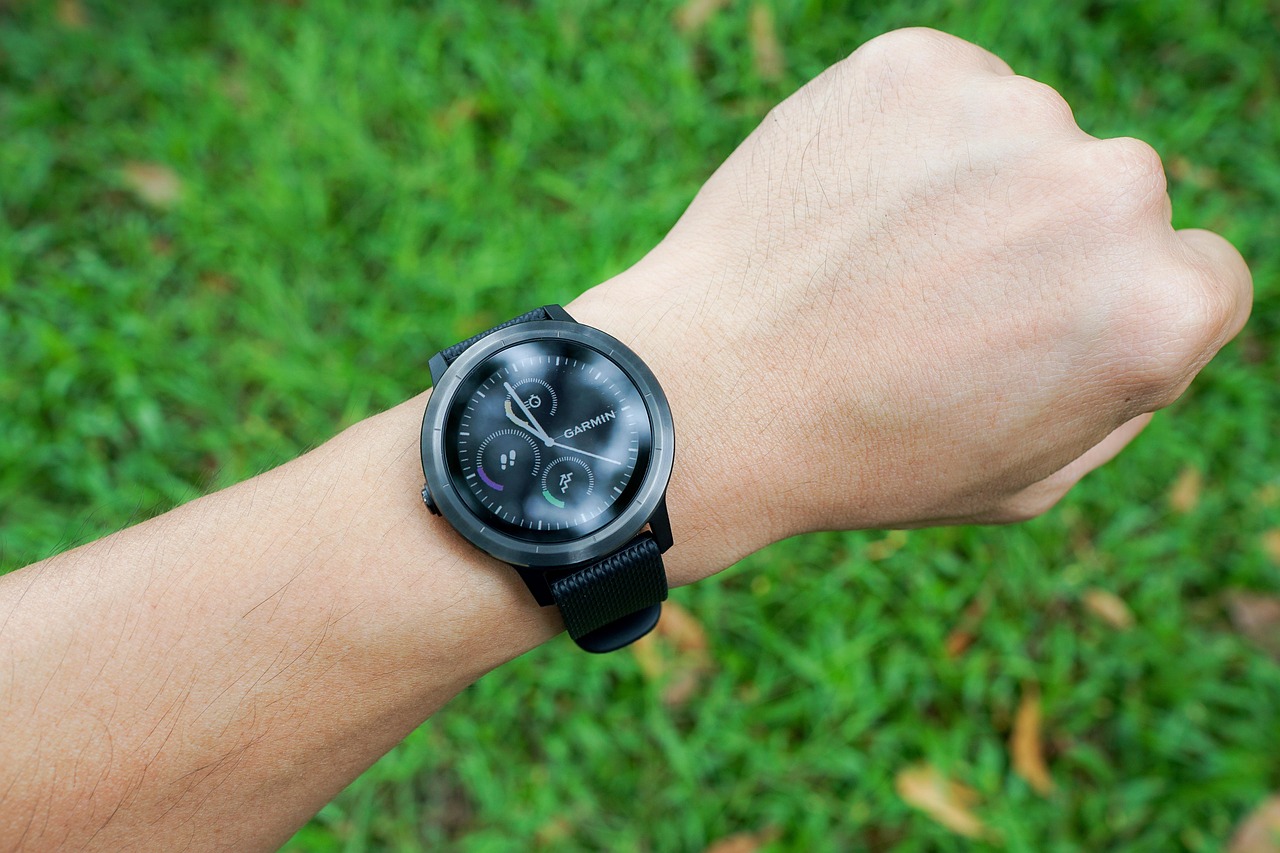
Wearable technology comes in various forms, each catering to different analytics in training load monitoring. GPS devices primarily focus on tracking distance and speed, providing essential data for athletes engaged in sports such as running or cycling. Heart rate monitors offer insights into effort levels and intensity, enabling athletes to keep their training within prescribed zones. Smartwatches and fitness bands combine features, often integrating GPS functionalities along with heart rate tracking. Some advanced wearables go further by assessing biomechanics during movement, offering data on stride length or ground reaction forces. Furthermore, wearable muscle sensors can identify muscle fatigue levels, assisting coaches in determining training loads effectively. Sleep trackers serve as a crucial aspect as well, providing insights into recovery quality. Mastery of using these various wearables allows coaches and athletes to create comprehensive training plans that cater to individual needs. Each device serves a specific purpose and collectively creates a holistic picture of an athlete’s readiness. Therefore, understanding and utilizing these technologies is imperative for optimizing athlete performance. This technology synergy fosters a culture of data-driven training methodologies in competitive sports environments.
Moreover, data security and privacy are significant concerns in the realm of wearable technology. As athletes increasingly rely on their personal and performance data, ensuring robust protection of that information is essential. Manufacturers must implement strict security measures to prevent unauthorized access to sensitive data. Athletes should be aware of the privacy policies associated with their wearable devices. Comprehensive agreements should clarify how individual data is collected, stored, and used. Organizations utilizing wearables for athletic performance monitoring must prioritize the confidentiality of athletes’ personal information. Strengthened cybersecurity protocols can build trust between athletes and performance analysts. Promoting safe data practices helps maintain confidentiality while maximizing device efficacy. Additionally, athletes should consider the implications of sharing their data with coaches and teams. Open dialogues about data usage empower all parties involved to make informed decisions. Athletes can better control their data flow while contributing to their training partnerships. This equilibrium significantly enhances the effectiveness of wearable technology. Awareness and education regarding data safety foster a supportive community, ultimately ensuring that technological advancements in sports analytics lead to improved performance outcomes.
Challenges of Implementing Wearable Technology
Despite the benefits of wearable technology in monitoring athletic training loads, several challenges persist. First, athletes and teams must invest financially in these devices. For some organizations, especially smaller athletic programs, cost may impede access to leading technologies. Furthermore, the learning curve associated with adopting new devices can be steep. Athletes need adequate training on how to use and interpret the data effectively. Coaches and staff may also require training to maximize the potential of nuanced analytics. Additionally, integrating wearable technology into existing training programs presents logistical challenges. Coordinating data collection and storage can become cumbersome, especially with larger teams. Systems must be streamlined to ensure seamless operations. Furthermore, the variability in device accuracy may lead to inconsistencies that can skew data. Ensuring the reliability of readings helps teams trust the data they receive. As technology evolves, compatibility issues may arise between various devices and software platforms. Addressing these challenges will require collaboration among hardware developers, coaches, and athletes. Overcoming these obstacles is essential to fully realize the potential of wearables in improving athletic performance.
As teams look to enhance athlete performance, analytical insights derived from wearables must be actionable. Identifying specific trends in workload responses is critical for athletes and coaching staff alike. Regular discussions regarding findings can bridge gaps in understanding. Coaches can align training goals with performance indicators tracked by wearables. Clarity on data interpretation helps to guide training decisions effectively. Additionally, positive reinforcement through feedback loops encourages athletes to buy into the technology. When they see clear results stemming from data-driven decisions, they become more invested in their training routine. Therefore, establishing a feedback system is crucial for engaging athletes in the monitoring process. Teams should create avenues for constructive evaluation of performance metrics, linking data to personal objectives. Building a culture of open discussion around wearable data can result in significant gains. The balance between technical data and athlete commitment is vital to successful implementation. Successfully utilizing the technology demands collaboration, shared goals, and transparent communication. Athletes who understand their progress through technology tend to surpass training plateau. Consequently, this adaptability promotes continued athlete development, reflecting broader trends found within sports science areas.
The Future of Wearable Technology in Sports
Looking ahead, the future of wearable technology in sports seems promising, with continuous advancements emerging. Innovations in sensor technology are leading to more accurate and varied data collection options. For instance, wearable devices are evolving to include functionalities that assess emotional states and mental readiness, vital components of athletic performance. Anticipating these developments will likely lead to broader adoption across a variety of sports disciplines, including less traditional sports. Moreover, integration with machine learning and artificial intelligence has the potential to enhance data analysis capabilities, revealing complex patterns hidden within training metrics. Athletes may soon have access to recommendations based on predictive modeling, further enriching their training experience. The expansion of wearable technology into virtual reality training environments is also a possibility, offering immersive training modalities. This parallels a growing interest in enhancing athlete mental training techniques. Furthermore, as society becomes increasingly health-conscious, the innovative applications of these technologies may transcend competitive sports and enter everyday fitness practices. As a result, we can see a cultural shift where embracing analytics becomes a standard practice for all types of athletes. The ongoing evolution in wearables signals an era where data-driven performance becomes integral to sporting success.
In conclusion, wearable technology significantly influences training load monitoring within sports analytics. The integration of various devices not only aids in understanding athletic performance but also empowers athletes with actionable insights. By focusing on metrics that matter, teams can optimize training plans while ensuring athlete recovery. The ongoing advancements and accessibility of wearables prompt a shift in approach, prioritizing data-driven training methodologies. This advancement contributes not only to individual sports performance but also reinforces team strategies. Addressing challenges, such as data security and device accuracy, will facilitate further innovation and implementation. Results from this technology can create positive feedback loops between athletes and coaches, fostering motivation and commitment. The bright future of wearable technology highlights its transformative potential in enhancing athletic development. As sports culture evolves, the expectation for data-driven insights will become a standard. Athletes will be better equipped to achieve their goals through personalization and analytics-based approaches. Thus, the impact of wearable technology continues to reshape athletic training paradigms, creating a dynamic approach to sports performance analysis. Consequently, embracing this technological shift will inevitably shape a new era in sports.