
How Yoga Can Help Prevent Injuries in OCR Training
Obstacle Course Racing (OCR) demands a unique blend of strength, agility, and endurance. To successfully conquer the diverse challenges ahead, athletes need to focus not only on performance but also on injury prevention. One of the most effective ways to achieve this is through the practice of yoga. Yoga promotes flexibility, balance, and strength, which are crucial for navigating the unpredictable terrains of OCR courses. Athletes who incorporate regular yoga sessions into their training routines often report improved range of motion and reduced muscle soreness. This leads to a lower risk of injuries, allowing them to train harder and longer. Furthermore, the mindfulness aspect of yoga enhances mental fortitude, helping participants remain calm and focused during high-pressure situations. By learning to channel their energy effectively, athletes can enhance their performance and overall experience in OCR events. Embracing yoga as a part of the training program can also foster a deeper connection between mind and body, ultimately translating to more successful physical outcomes. Therefore, for OCR athletes, integrating yoga can be a game-changing strategy that pays dividends in both health and performance.
The Importance of Flexibility
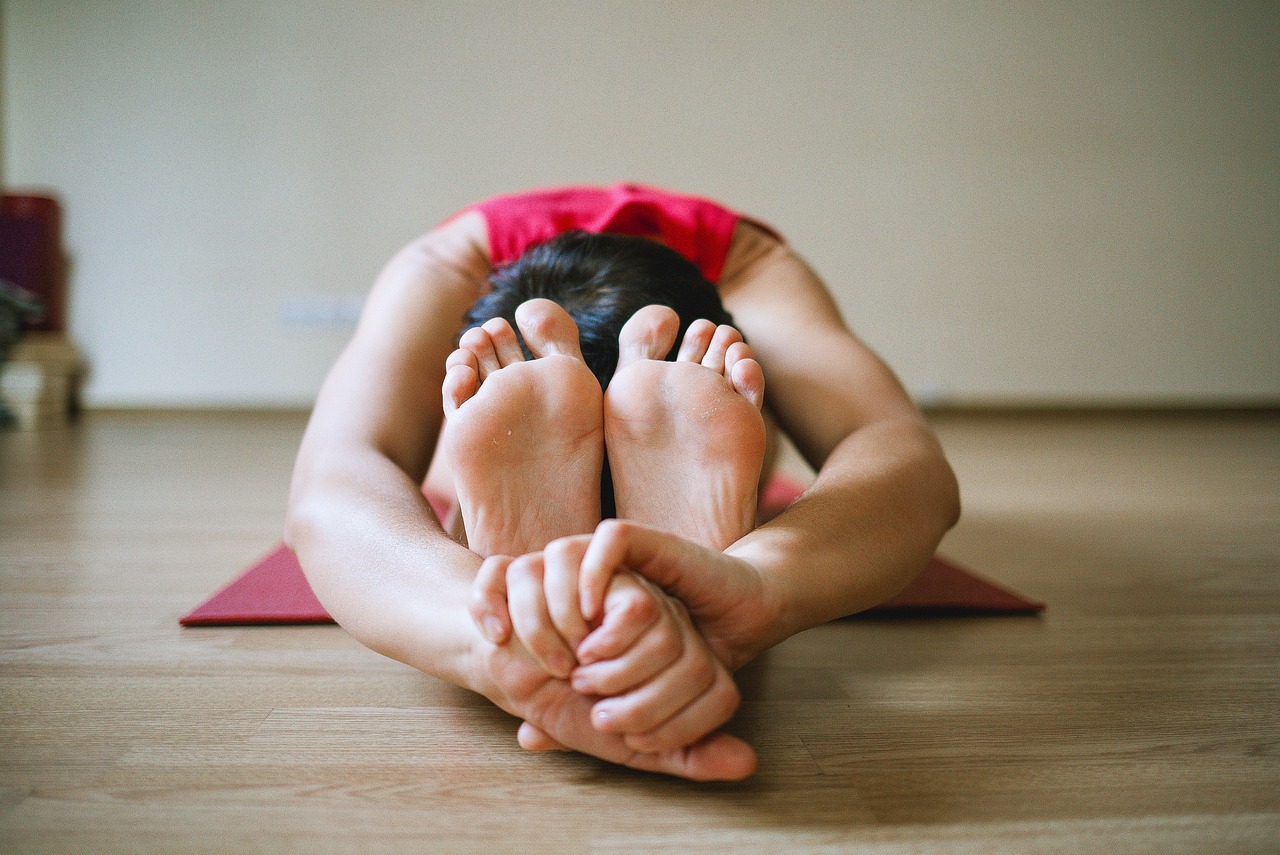
Flexibility is often overlooked in OCR training, yet it remains a vital component of athletic performance. Without adequate flexibility, athletes may struggle with executing movements and overcoming obstacles. Yoga specifically targets this area through a range of stretches and poses designed to gently elongate muscles, improving overall elasticity. A flexible body can maneuver through obstacles more efficiently, while also reducing the likelihood of strains. As athletes participate in different forms of racing, the requirement for flexibility varies. For instance, climbing, jumping, and crawling all require different ranges of motion. Therefore, practicing yoga not only enhances general flexibility but tailors it to the specific demands of OCR. In addition to physical benefits, improved flexibility can lead to enhanced coordination and balance. When the body is supple, every movement becomes more fluid, which is crucial in navigating challenging courses. Moreover, yoga encourages athletes to be more aware of their bodies and movement patterns. This awareness translates into better performance when executing complex movements. Consequently, making flexibility training a priority is essential for anyone serious about OCR success and longevity in the sport.
Incorporating yoga into OCR training routines can significantly enhance muscle recovery. Recovery is vital for athletes, particularly in a high-intensity sport like OCR. Unlike traditional workouts that may promote tightness and stress in muscles, yoga emphasizes relaxation and stretch. This approach can alleviate soreness and accelerate the recovery process. During yoga, increased blood circulation promotes the delivery of oxygen and nutrients crucial for muscle repair. Techniques such as deep breathing and sustained poses help signal the body to enter a recovery mode, allowing for adequate rest and rejuvenation. Regularly practicing restorative yoga can aid in reducing inflammation in overworked muscles, further enhancing recovery speed. To maximize its benefits, athletes should incorporate yoga sessions after intense workouts or competitions. Not only does this help with physical recovery, but it also provides mental downtime from the stress of rigorous training. Taking time to engage in yoga can rejuvenate the mind, making athletes feel refreshed and ready for upcoming challenges. In the context of training for obstacle races, proper recovery is just as essential as strength and endurance; thus, yoga should be an integral part of every athlete’s toolkit.
Building Core Strength
Another significant benefit of incorporating yoga into OCR training is core strength development. A strong core is essential for obstacle course racing, as it stabilizes the body and aids in effective movement. Many yoga poses focus on activating and strengthening the core, providing a functional workout that translates well to racing performance. Postures such as plank, boat, and various twists engage abdominal muscles that are often underutilized in traditional strength training. This focused approach not only builds strength but also improves posture and reduces the risk of back injuries. Strong core muscles play a vital role in maintaining proper body alignment when navigating challenging obstacles. When performing tasks like leaping or crawling, the core supports all other muscle groups, allowing for better efficiency and power transfer. Furthermore, through yoga’s emphasis on control and precision, athletes can become more attuned to their bodies, leading to enhanced performance. In addition, a strong core contributes significantly to balance and agility, which are essential skills in OCR. Therefore, regularly incorporating yoga not only enhances core strength but ultimately leads to better race outcomes.
Aside from physical gains, yoga offers profound psychological benefits that can enhance OCR training. The mental demands of racing are significant; athletes must stay focused and resilient while facing physical obstacles. Yoga equips athletes with mental tools such as concentration, mindfulness, and stress reduction techniques. These tools can be instrumental during competitions. Mindfulness practices in yoga encourage athletes to stay present, reducing anxiety and distractions that can hinder performance. Also, mastering breathing techniques can help maintain energy levels and focus, especially during prolonged efforts. By integrating mental training from yoga, athletes can develop a stronger competitive mindset, leading to improved performance under pressure. The meditative aspects of yoga can quiet the mind and enhance clarity, promoting better decision-making during races. Moreover, yoga encourages setting personal intentions—something OCR athletes can leverage to motivate themselves throughout their training journey. Whether it’s achieving new time records or mastering difficult obstacles, intention-setting fosters a deeper connection to one’s goals. By adopting these practices regularly, athletes can elevate their mental resilience, making them more formidable competitors.
Preventing Overuse Injuries
Yoga plays a pertinent role in preventing overuse injuries common in OCR training. Repetitive movements associated with racing can lead to wear and tear on joints, muscles, and ligaments. Through targeted stretching and strengthening, yoga fosters resilience and helps mitigate these risks. By promoting balance in muscle strength between opposing muscle groups, yoga prevents imbalances that often lead to injuries. Areas most affected include the shoulders, hips, and knees. Engaging in yoga routinely can help maintain flexibility in those critical areas, ensuring athletes withstand the physical demands of racing. Furthermore, yoga cultivates awareness of body alignment and movement patterns; this can be useful in identifying areas of potential strain before they escalate into injuries. Athletes can use this knowledge to adjust their training techniques effectively. The holistic approach of yoga also emphasizes recovery and listening to one’s body. Coupled with these practices, it becomes easier to adopt preventive measures rather than reactive ones. Consequently, incorporating yoga in training provides proactive injury management, setting athletes on a path to sustainable racing careers. Understanding how to integrate yoga can profoundly impact their training longevity and performance.
In conclusion, yoga is a powerful tool for athletes participating in OCR training. It offers manifold benefits, including improved flexibility, core strength, mental fortitude, recovery aid, and injury prevention. Not only does it prepare bodies physically for the demands of racing, but it also fosters psychological resilience needed for peak performance. With a well-rounded approach that combines strength training, endurance work, and yoga, athletes can achieve a unique harmony. This balance leads to enhanced efficiency as they tackle unpredictable terrain, providing a competitive advantage over others. Many successful OCR athletes have incorporated yoga into their routines and witnessed transformative results both in their performance and well-being. The beauty of yoga lies in its adaptability; athletes can customize their practices according to personal needs and goals. Investing time in yoga helps create a sustainable training regimen, fostering longevity in the sport. Therefore, the integration of yoga should be prioritized for any serious OCR athlete aiming to enhance performance while effectively managing injury risks. Combining these elements paves the way for a successful and fulfilling journey in the world of Obstacle Course Racing.