
Understanding and Preventing Exercise-Induced Anemia
Exercise-induced anemia is a growing concern among athletes that can significantly impact performance. Athletes are often at risk due to increased physical demands and dietary deficiencies. The type of exercise performed also plays a critical role in the body’s oxygen transport system. Understanding the causes and prevention of exercise-induced anemia is essential for maintaining optimal health. Most athletes engage in intense training and may not consume adequate amounts of iron, leading to low hemoglobin levels. Signs of anemia can include fatigue, weakness, and a significant decrease in performance. Conducting regular health check-ups to monitor blood levels is advisable to detect deficiencies early. Educating athletes and coaches about proper nutrition and supplementation can help mitigate these risks. Consuming iron-rich foods such as lean meats, beans, and fortified cereals is vital. Additionally, pairing these foods with sources of vitamin C enhances iron absorption. Staying informed about individual iron needs based on training intensity is crucial for sports nutrition. Through proactive measures, athletes can successfully navigate the challenges posed by this condition, ensuring they remain energized and capable of performing at their best.
To further understand exercise-induced anemia, we must examine the symptoms associated with this condition. Symptoms can vary, but common signs include unusual fatigue, pale skin, and difficulty concentrating. Athletes may also experience shortness of breath during training or competition, which can hinder performance. Additionally, the condition can lead to reduced stamina and overall athletic ability. Recognizing these symptoms early is crucial for athletes to address nutritional needs promptly. Monitoring energy levels and performance metrics can help in identifying any potential deficiency. A detailed dietary assessment may provide insights into the athlete’s iron sources and overall nutrition quality. Keeping a food diary can track daily intake and identify missing nutrients. Furthermore, some athletes may need additional diagnostic tests to evaluate iron levels in the blood accurately. Such evaluations can guide the appropriate dietary and supplementary interventions. Balancing energy intake with expenditure is also critical, especially when undertaking rigorous training programs. Physiological changes during intense exercise can lead to increased iron loss through sweating and gastrointestinal bleeding. Understanding these aspects allows athletes to take control of their health and potentially reduce the incidence of anemia.
Dietary Sources of Iron for Athletes
To combat exercise-induced anemia, athletes must focus on incorporating dietary sources of iron into their meal plans. There are two types of dietary iron: heme and non-heme. Heme iron is found in animal products such as red meat, poultry, and fish, where it is more easily absorbed by the body. Conversely, non-heme iron is present in plant foods, including lentils, beans, and spinach, but is less readily absorbed. Athletes should prioritize heme iron sources while complementing their diets with non-heme sources. Furthermore, including foods that enhance iron absorption, like citrus fruits or bell peppers, is essential. It’s also beneficial to avoid consuming iron inhibitors around mealtime, such as calcium-rich dairy products or high-fiber foods that may hinder absorption. Strategies for optimizing iron intake can include meal prepping with iron-rich recipes and being mindful of food pairing. Frequent consumption of nutritious snacks can ensure they receive ample iron throughout the day. Staying hydrated can also facilitate better nutrient absorption overall. An adequate and adaptable diet tailored to include sufficient iron, combined with regular nutrient monitoring, can effectively prevent anemia among athletes, bolstering their performance.
Sustaining a well-rounded diet rich in essential nutrients is vital for every athlete, especially regarding recovery post-exercise. Recovery nutrition plays a significant role in replenishing depleted iron levels after intense training sessions. Including a recovery meal that features both carbohydrates and protein within the first hour post-exercise can aid muscle repair and replenish energy stores. Pairing protein sources with iron-rich options boosts recovery benefits. For example, athletes could enjoy a chicken and quinoa salad topped with colorful vegetables. Additionally, some athletes may need consider iron supplementation to correct deficiencies effectively. Consulting with a healthcare professional is crucial before starting any supplementation to avoid potential liver toxicity. Each athlete’s iron needs vary based on factors such as age, sex, and training intensity. Understanding these distinctions ensures tailored nutrition strategies that cater to specific requirements. Integrating a routine that includes regular check-ups and nutrition education will empower athletes on their journey to lasting health. With awareness and proactive dietary changes, athletes can combat exercise-induced anemia effectively. Comprehensive nutritional planning fosters a strong foundation for sustained athletic performance and wellbeing.
Role of Supplements in Preventing Anemia
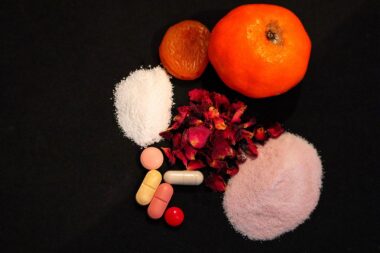
Vitamin and mineral supplements can serve as helpful tools for athletes striving to prevent exercise-induced anemia. Athletes often require higher levels of certain nutrients due to intensive training regimens. Iron supplements may be beneficial for athletes with significantly low levels or those at higher risk of deficiency. However, excess iron can lead to adverse health effects, so careful monitoring and a professional consultation are recommended. Aside from iron, adequate vitamin B12 and folate intake is vital for red blood cell production. These nutrients are essential for maintaining optimal hemoglobin levels, ensuring efficient oxygen transport during physical exertion. Many individuals, particularly vegetarians and vegans, may struggle to meet these requirements through diet alone. For this reason, incorporating a well-formulated multivitamin may help fill nutritional gaps. Additionally, individual testing can indicate a specific nutrient deficiency that requires attention. Understanding the importance of these vitamins can guide informed choices about supplementation. Proper education on maintaining balanced nutrition through food sources in conjunction with appropriate supplements ensures a holistic approach. This strategy is crucial to avoiding exercise-induced anemia and enhancing an athlete’s overall performance.
Due to the physical demands placed on athletes in their respective sports, stress can become a contributing factor to anemia. In high-pressure situations, athletes may not prioritize nutrition as needed, leading to nutrient deficiencies. Stress can also negatively impact digestion, leading to reduced nutrient absorption. Recognizing the relationship between stress, nutrition, and performance allows athletes to identify prevention strategies. Implementing stress management techniques like mindfulness or yoga can enhance mental clarity and promote better eating habits. Additionally, scheduling regular downtime helps maintain balance, ensuring athletes can recover adequately. Creating a supportive environment among peers and coaches reinforces the importance of nutrition in performance and recovery. It is crucial for team members to encourage healthy habits and provide mutual support. Athletes should remain attentive to their body’s signals and not overlook signs of fatigue or decreased performance. Establishing a tailormade nutrition plan allows each athlete to meet their individual needs, both physically and mentally. Ultimately, optimizing performance while minimizing the risks associated with anemia is essential for longevity in sport. With effective strategies, athletes can achieve their goals while maintaining optimal nutrition.
Conclusion
In conclusion, preventing exercise-induced anemia requires a multifaceted approach that emphasizes nutrition, awareness, and support. Athletes must prioritize nutrient-rich foods, focus on iron and vitamins, and address the physiological demands of their sport. Understanding the signs and symptoms allows for timely interventions, ensuring that athletes can continue to perform at their peak. Effective dietary planning can mitigate deficiencies, while regular health assessments lead to early detection. Moreover, education plays a vital role in enabling athletes to make informed food choices. Stress management contributes to overall wellbeing, further enhancing performance by supporting nutrition. Combining these elements fosters a holistic approach that lasts over time. Athletes can boost their performance by investing time in their nutrition and understanding their bodies. Creating an environment of support, encouragement, and knowledge-sharing within teams can also cultivate a culture of health. Through proactive dietary strategies, supplementing when necessary, and fostering resilience against the impacts of stress, athletes can thrive in competition. The journey towards optimal health and performance requires dedication, but the rewards are worth the effort, allowing athletes to shine in their respective sports.