
Balancing Hydration and Sodium Intake in Hot Climates
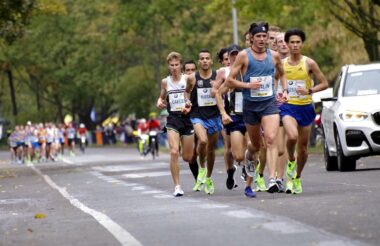
Endurance athletes who train in hot climates face unique challenges when it comes to hydration and sodium intake. The risks of dehydration and electrolyte imbalance increase significantly during intense physical exertion and high temperatures. To maintain performance levels, athletes must focus on proper fluid and sodium replenishment before, during, and after workouts. One effective strategy is to establish a hydration plan tailored to individual sweat rates and environmental conditions. It’s essential to monitor daily fluid intake and assess sodium losses during training sessions. Key factors that affect hydration requirements include the temperature, humidity, workout duration, and individual sweat composition. Athletes often rely on beverages enriched with electrolytes to effectively replenish lost sodium. These drinks can help improve fluid retention and enhance overall endurance performance. Incorporating strategies such as drinking small amounts frequently, keeping track of fluid losses, and understanding the body’s thirst signals can significantly help manage hydration. In addition, monitoring color of urine and weighing before and after workouts can offer valuable insights into hydration levels. Overall, prioritizing hydration and sodium intake is critical for success in endurance sports in hot environments.
Before training begins, it is crucial for athletes to establish a hydration baseline and understand their unique sweating patterns. This knowledge can inform decision-making regarding fluid and sodium needs during exercise. Monitoring weight fluctuations will help athletes gauge their fluid loss and adjust hydration strategies accordingly. It’s also important to note that not all athletes have the same electrolyte requirements. Individual needs may vary based on genetics, the type of exercise, and acclimatization processes. Many athletes prepare for training by consuming a balanced meal rich in carbohydrates and a moderate amount of sodium. This can enhance fluid absorption post-exercise and supports overall energy levels. Athletes should consider incorporating salty snacks or electrolyte-rich supplements during long training sessions or events, especially on hot days. As a practical approach, having a sodium target that athletes aim to meet can help maintain performance while preventing hyponatremia associated with excessive water intake. A well-planned hydration routine can include using sports gels or chews that contain electrolytes alongside water consumption. This combination effectively replaces the sodium lost through perspiration.
The Role of Electrolytes
Electrolytes, particularly sodium, play a vital role in fluid balance, nerve function, and muscle contraction. Sodium helps regulate blood pressure and blood volume, making it essential for athletic performance in hot climates. Endurance athletes tend to lose significant amounts of sodium through sweat, especially in high-heat environments, necessitating adequate replacement strategies. Consuming electrolytes during exercise can counteract some of the negative effects associated with dehydration. For athletes training for extended periods, beverages with electrolytes offer an effective means of combating sodium depletion. It is increasingly recognized that sports drinks containing sodium should be consumed during prolonged activities, ideally every 15-30 minutes. This strategy aids in keeping sodium levels within a healthy range and improving endurance performance. Athletes should experiment with various electrolyte combinations to determine which works best for their bodies. Maintaining a balanced intake of both fluids and sodium can also prevent muscle cramping. Understanding individual sodium requirements and seeking professional guidance can help athletes create a personalized nutrition plan. This tailored approach promotes both performance and long-term health during endurance training.
After completing a training session, recovery is paramount to an athlete’s long-term performance. It is crucial to replenish fluid and electrolytes as quickly as possible to maximize recovery benefits. Athletes should aim to consume a recovery beverage or meal within 30-60 minutes to facilitate muscle repair and restore hydration. Including components like carbohydrates, protein, and sodium can enhance the recovery process, promoting better hydration and replenishing depleted glycogen stores. A simple homemade sports drink can be created using water, a pinch of salt, and a little sugar to effectively replenish lost fluids and sodium. Furthermore, the incorporation of fruits rich in water content, such as watermelon or oranges, can also aid in fluid replenishment. As part of this recovery phase, athletes should continuously monitor hydration by checking urine color, as it is a reliable indicator of fluid status. In addition, a consistent post-exercise routine in place can significantly help in maintaining proper hydration levels. Emphasizing both hydration and sodium intake immediately following workouts will ultimately enhance performance recovery and athletic resilience against heat stress.
Acclimatization Strategies
Acclimatization to hot environments is a critical factor that can improve an athlete’s ability to withstand heat stress. Gradually exposing the body to warmer conditions allows it to adapt to increased temperatures and humidity, resulting in better fluid management and reduced risk of heat-related illnesses. Athletes should incorporate training sessions in the heat progressively, allowing the body to adapt over one to two weeks. During this time, fluid intake should be closely monitored to assess any increase in sweat rate. Resistance to dehydration improves as body temperature and heart rate become better controlled. In addition, acclimatization can lead to increased plasma volume, which enhances cardiovascular stability and overall athletic performance in hot weather. Training adaptations enable athletes to better utilize sodium and manage hydration during intense workouts. Therefore, developing an established training routine in hot conditions is invaluable for optimal performance. Additionally, athletes must prioritize performance strategies tailored to suit both their individual needs and the specific environment to maximize effectiveness. This approach ultimately equips athletes with the necessary tools to succeed under extreme conditions.
Athletes should not underestimate the importance of proper clothing during endurance activities in hot climates. Wearing lightweight, breathable, and moisture-wicking fabrics can aid in temperature regulation and decrease the likelihood of overheating. Selecting the right athletic gear allows sweat to evaporate, promoting cooling and preventing excess fluid loss. It is advisable to wear a hat or visor to protect against direct sunlight, thus reducing heat accumulation. Additionally, sunglasses can help minimize glare and protect the eyes from harmful UV rays. Choosing appropriate shoes that support foot health is equally important during extended exercise sessions. Foot care should include ensuring proper fit, using moisture-wicking socks, and monitoring for any signs of blisters or irritation that can lead to further complications. Athletes should adjust their outerwear based on the intensity and duration of their training sessions, as the variables of climate can change rapidly. Over time, gaining experience with hydration and clothing selection will enhance performance and ultimately improve longevity in endurance sports. This commitment to managing environmental factors will benefit overall health during training and racing.
Final Thoughts on Hydration
In conclusion, balancing hydration and sodium intake in hot climates is essential for endurance athletes. By understanding individual hydration needs, monitoring electrolyte losses, and employing effective strategies to absorb fluids, athletes can maintain their performance levels. Adapting a personalized hydration strategy that emphasizes both hydration and sodium intake will often require experimentation and adjustments over time. It is recommended to seek guidance from nutrition experts who can help create a tailored approach based on individual sweat rates and training demands. Additionally, keeping track of hydration habits and documenting any resulting performance changes can benefit long-term success. Awareness of environmental factors and preparing for them can also significantly lessen heat-related challenges. Building a solid foundation of hydration knowledge empowers athletes to prepare effectively for successes in endurance training and competitions. Ultimately, the commitment to maintaining hydration and sodium balance enables athletes to perform at their best while reducing the risk of dehydration and related issues. Therefore, making hydration a priority will contribute to improvement in overall athletic performance and well-being for endurance athletes working in challenging hot conditions.