
Community Leadership and Development in Parkour Organizations Globally
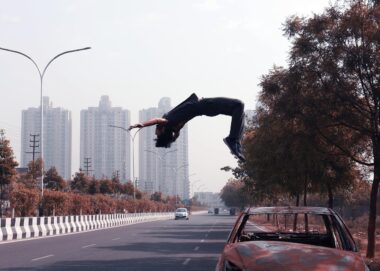
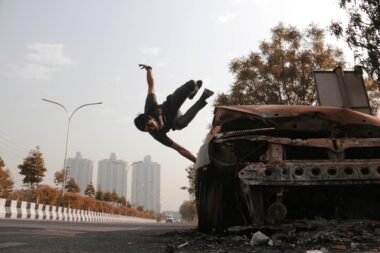
Parkour, as an evolving discipline, thrives on strong community leadership and development. Organizations dedicated to parkour have emerged worldwide, creating a network of individuals passionate about urban movement. Each community organizes events, training sessions, and workshops to nurture newcomers and seasoned practitioners alike. Effective leaders within these organizations foster an inclusive environment that celebrates diversity and personal growth. These leaders often act as role models, demonstrating the discipline and creativity unique to parkour. They promote safety and respect, teaching participants to navigate their surroundings wisely. Regular meet-ups and collaborative events strengthen bonds, allowing members to share experiences and learn from one another. To ensure sustainability, communities often engage in local outreach, demonstrating their values to the broader audience. As parkour gains recognition as a legitimate sport, robust leadership becomes increasingly critical. Promoting the positive aspects of parkour helps dispel myths while encouraging acceptance in various social settings. This process solidifies the organization’s foundations, ensuring its longevity and relevance in a rapidly changing world. Thus, community leadership is fundamental to preserving parkour organizations’ essence and mission. Through dedication and training, leaders inspire a movement that offers more than physical activity.
The global parkour community is characterized by its diversity and inclusivity. Different cultures and regions contribute unique perspectives, enriching the practice of parkour worldwide. Communities are born from varied influences, enabling members to express themselves through diverse styles and approaches. Events are regularly held to showcase the talents of practitioners, fostering friendly competition and camaraderie. Street jams, workshops, and exhibitions bring individuals together, reinforcing a collective identity that transcends geographical boundaries. The sharing of knowledge and techniques broadens the skills of participants, empowering each member to grow. Leaders within organizations play a crucial role in facilitating these interactions, promoting mentorship and guidance. As parkour spreads globally, maintaining this inclusive spirit becomes crucial to its identity. The strength found in diversity not only enhances skill development but also promotes understanding and acceptance among different cultures. As practitioners travel, they create connections that strengthen the global community. These connections often extend beyond parkour, contributing to friendships that enhance social cohesion. Therefore, a global outlook is essential for the continued growth of parkour organizations, ensuring that every voice is heard and every story is valued, fostering a culture where everyone belongs.
In the realm of community development, it is essential to recognize the challenges faced by parkour organizations. Societal perceptions about parkour can influence participation levels, as many view it either as reckless or untamed. Leaders must address these stigma, showcasing the discipline and athleticism required for the practice. By educating the community about parkour’s principles, organizations can encourage a positive narrative. Workshops and public demonstrations serve as excellent platforms for this purpose, illustrating the safety and creativity inherent in parkour. Engaging with local authorities and urban planners can also facilitate opportunities for dedicated practice spaces, contributing to community development. Investments in public parks can create safe environments for training, helping to legitimize parkour as a recognized sport. Collaborating with local businesses can further support growth, allowing organizations to host events that foster community connections. Partnerships can also provide resources and funding, ensuring sustainment over time. Emphasizing safety and etiquette during training sessions can help mitigate any misconceptions about parkour as a disruptive activity. By actively working to reshape perceptions, parkour organizations can ensure they grow sustainably and continue to cultivate their vibrant communities.
Building Stronger Parkour Networks
Building stronger networks within parkour organizations is vital for ensuring community growth and resilience. Leaders must actively seek opportunities to collaborate, both locally and globally. Establishing connections with other organizations allows for knowledge exchange that can enhance training methodologies and event planning. Online platforms provide unique opportunities for communities spread across regions to connect and share resources. Social media, forums, and dedicated apps facilitate communication between practitioners, creating virtual spaces for interaction. Regularly organized online meet-ups can introduce members to new techniques or concepts, reinforcing a sense of belonging. Workshops conducted by experienced practitioners or coaches can significantly elevate the skill levels of members. These resources must be readily available and accessible to all community members. Conclusion, networking allows practitioners to learn and grow from each other, breaking down barriers that may hinder participation. As communities flourish, they contribute to the global parkour culture, sharing their distinct styles and approaches to the discipline. This dynamic exchange cultivates innovation, reinforcing the community’s ever-evolving nature while inspiring future generations of parkour practitioners. Investing in the strength of networks will help nurture both connections and skills vital for sustained development.
Furthermore, the role of mentorship is pivotal in shaping the future of parkour organizations. Experienced practitioners can guide novices through the often challenging initial stages of learning. Mentorship encourages personal growth, not only in physical skills but also in confidence and self-awareness. Leaders should establish formal mentorship programs, pairing experienced members with newcomers. These programs can help foster a sense of belonging, reducing the intimidation often associated with trying a new discipline. The connection formed through mentorship cultivates trust and encourages open communication, leading to a more united community. Mentors can also impart their knowledge about safe training practices and injury prevention, ensuring that the community remains healthy and resilient. Sharing experiences and stories can inspire newcomers, motivating them to persevere through difficulties. As relationships deepen, mentorship can evolve into lifelong friendships, enriching both personal and community experiences. Cultivating a supportive environment where mentorship thrives ultimately strengthens the bond among members. Organizations can host mentorship days or partner experienced practitioners for workshops, reinforcing communal ties. Such initiatives enhance the overall culture of parkour, promoting unity and acceptance while reinforcing the foundations of the sport as a whole.
Global Events and Their Impact
Global events like competitions and summit gatherings play an essential role in parkour community development. These events unite practitioners from diverse backgrounds, fostering camaraderie and the sharing of knowledge. Parkour competitions not only serve as a platform for showcasing talent but also emphasize personal growth through performance. Different styles and techniques emerge, highlighting the importance of artistic expression within the discipline. Summit gatherings allow community members to engage in discussions about the future of parkour, addressing challenges and opportunities. Such dialogues help organizations unite under common goals and values, driving the community forward. Furthermore, these events offer a chance to establish relationships with sponsors, facilitating funding opportunities that benefit all. Workshops and presentations during these gatherings foster the exchange of ideas, enabling practitioners to broaden their horizons. Global events can also raise awareness and acceptance within local communities, demonstrating the positive impacts of parkour. By showcasing discipline, creativity, and athleticism, organizations can combat negative stereotypes and promote acceptance. Therefore, the impact of global events on community development cannot be understated, as they catalyze the expansion and sustainability of parkour organizations around the world.
Lastly, sustainability within parkour organizations is essential for long-term growth and stability. Adopting eco-friendly practices during events and training sessions can cultivate a culture of responsibility among members. Organizations can implement recycling initiatives, use sustainable materials, and promote public spaces as training environments. Leaders play a crucial role in teaching members about the significance of environmental stewardship, encouraging them to advocate for eco-friendly practices. Sustainable community practices provide numerous benefits, including establishing positive relationships with local authorities. This, in turn, can lead to access to increased resources for parkour development. Furthermore, ensuring that organizations remain financially sustainable is equally important. Exploring sponsorships, grants, and partnerships can alleviate financial pressures, enabling organizations to thrive. Investing in local businesses and economic development can create symbiotic relationships that benefit everyone. Group activities, such as fundraising events, not only help with finances but also reinforce community ties. Sturdily sustained organizations get to participate in global conversations, influencing the future of parkour positively. Ultimately, focusing on sustainability can ensure the longevity of parkour communities. By balancing environmental, social, and financial aspects, organizations can maintain their vibrancy and influence within the global parkour landscape.
Conclusion and Future Directions
In conclusion, the role of community leadership and development within parkour organizations serves as the heartbeat of the discipline. Leaders inspire communities to grow, flourish, and adapt in an ever-changing world. As challenges arise, proactive approaches through education, mentorship, and inclusivity create resilient networks. Collaboration with local authorities and participation in global events promotes lasting connections and strengthens the parkour community. The diverse cultures and backgrounds that shape parkour enhance its narrative, encouraging acceptance and understanding. Sustainability practices ensure that organizations remain relevant and capable of meeting the needs of their members. Leaders must continuously evaluate their strategies and initiatives, embracing innovation and change. By nurturing relationships and prioritizing communal growth, parkour organizations contribute to shaping the future of the discipline positively. The vision for these communities should encompass personal growth, creativity, and artistic expression while embracing the unique stories that each member brings. Ultimately, the global parkour community stands as a testament to the power of unity and resilience, ready to embrace whatever changes the future may hold. The vibrant identities nurtured through leadership will undoubtedly inspire generations of practitioners, fostering a culture of exploration and connection.