
Creating a Weekly Cross-Training Schedule for Parkour Success
A well-structured weekly cross-training schedule is vital for aspiring parkour athletes looking to enhance their skills and overall performance. Such a schedule should encompass various training elements. Primarily, consider incorporating strength training, flexibility, and conditioning days. Each of these components plays a crucial role in developing the physical attributes required for parkour. For strength training, focus on bodyweight exercises, such as push-ups and squats, ensuring your form is correct to prevent injuries. Include flexibility exercises through yoga or dynamic stretching, which can greatly increase your range of motion. Incorporating mobility drills will also assist in achieving better control of your movements and improve your overall efficiency when performing tricks. Recognizing the significance of conditioning, engage in activities like running or high-intensity interval training. This regimen not only builds endurance but also prepares your cardiovascular system for the high demands of parkour. Finally, always remember to include at least one rest day each week to allow your muscles to recover and adapt. Gradually adjust your schedule based on your performance and goals for optimal results.
Balancing Strength, Agility, and Endurance
To excel in parkour, maintaining a balance between strength, agility, and endurance is essential. Each training session should ideally target one of these components to develop the necessary skills for various parkour techniques. For strength, dedicate two to three days each week to focus on lifting heavier weights in the gym or performing bodyweight circuits that target major muscle groups used in parkour, such as legs, core, and upper body. On agility days, include drills that emphasize quick direction changes and spatial awareness, like ladder drills or cone sprints. These workouts can improve your ability to maneuver effectively during parkour. Finally, endurance training is crucial. Schedule sessions involving longer runs or plyometric exercises, which can effectively enhance your stamina. Over time, progressive overload—gradually increasing the intensity and duration of these workouts—is important. Keep track of your progress by recording workouts in a dedicated journal or using fitness apps. This will help you remain focused and motivated, allowing you to see improvements over time. By strategically designing your cross-training schedule, you ultimately create a robust foundation for parkour success.
Warm-up routines play an instrumental role in preventing injuries and enhancing performance during parkour training. A well-rounded warm-up prepares your muscles and joints for the intense movements involved in parkour. Start your warm-up with a light cardiovascular exercise, such as jogging or cycling, for about five to ten minutes. This initial phase gradually increases your heart rate and gets the blood flowing to your muscles. Following this, incorporate dynamic stretches that focus on the major muscle groups engaged during parkour, such as your legs, hips, and shoulders. Movements like arm circles, leg swings, and high knees are excellent choices to improve flexibility and mobility. Additionally, engaging in some sport-specific drills can help you acclimate to the physical demands of your session. This can consist of practice jumps, landings in various directions, or simple rolls. Be sure to pay close attention to your body as you warm up. If you feel any discomfort or tightness, take the time to address it through additional stretching. Remember, a comprehensive warm-up can significantly enhance your performance and minimize the risk of injury during your training.
Recovery: The Key to Sustainable Progress
Recovery is an often overlooked but critical component of any parkour cross-training schedule. To achieve sustainable progress, it is essential to allow your body adequate time to recuperate from intense workouts. After each session, allocate at least fifteen to thirty minutes for a cooldown routine, involving static stretches and foam rolling. This practice reduces muscle soreness and promotes flexibility while aiding in the recovery process. Equally important is effective sleep hygiene. Aim for at least seven to nine hours of sleep per night to give your body the necessary time to repair itself. Sleep is a prime opportunity for recovery, as hormones responsible for muscle growth and repair are released primarily during this time. Moreover, consider integrating active recovery days into your weekly schedule. Activities like gentle yoga, swimming, or leisurely walking can enhance blood flow to your muscles without imposing additional strain. Stay hydrated throughout the week, as proper hydration plays a role in muscle recovery as well. By prioritizing recovery in your training schedule, you’ll maintain energy levels, enhance motivation, and promote longevity in your parkour journey.
Nutrition is another key aspect of successfully supporting your parkour training and development. Maintaining a well-balanced diet aids your performance while ensuring adequate recovery after intense workouts. Focus on consuming a variety of whole foods, primarily emphasizing lean protein, complex carbohydrates, healthy fats, fruits, and vegetables. Protein sources such as chicken, fish, legumes, and low-fat dairy are essential for muscle repair and growth. Complex carbohydrates, like quinoa, brown rice, and sweet potatoes, provide sustained energy needed for high-intensity movements. Don’t overlook healthy fats, such as avocados, nuts, and olive oil, which support overall joint health. Hydration also plays a crucial role in performance and recovery, so drink plenty of water throughout the day. To optimize pre- and post-workout nutrition, aim to consume a balanced meal one to two hours before exercising. Ingesting protein and carbs after your session will also facilitate muscle recovery and replenish energy stores. In addition, consider consulting a nutritionist to tailor your dietary plan to your individual needs as a parkour athlete. With a thoughtful approach to nutrition, you can maximize your performance and reach your parkour goals.
Setting Realistic Goals and Tracking Progress
Establishing clear, realistic goals for your parkour training journey will enhance focus and motivation. Begin by setting short-term and long-term objectives. Short-term goals can include specific skills or tricks you want to master within a few weeks, while long-term objectives might span several months or even years. Break your goals down into smaller, manageable milestones for better tracking. It’s important to regularly evaluate your progress to maintain motivation and adjust your training schedule as necessary. Use a training journal, or apps available for tracking workouts, to record your achievements and setbacks. This practice not only increases awareness of your strengths and weaknesses but also allows you to celebrate your progress along the way. Additionally, consider sharing your goals and progress with fellow parkour practitioners or a coach to boost accountability and motivation. Engaging with a community can provide support and tips that further enhance your training regime. Ultimately, consistently striving toward your goals will lead to significant improvements in your parkour skills and keep the journey enjoyable and rewarding.
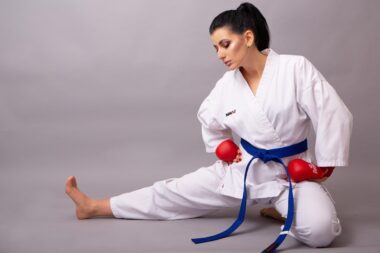
Finally, embrace variety in your cross-training schedule to keep your sessions engaging and challenging. Monotony can lead to boredom or plateauing in your performance, so introduce new exercises or techniques regularly. Experiment with different physical activities that complement your parkour training, such as dance, martial arts, or gymnastics. These practices can enhance skills in balance, coordination, and agility, all crucial to mastering parkour techniques. Additionally, participating in skill-based workshops or classes can expose you to new perspectives and strategies. Seek out opportunities to train with experienced parkour coaches and other practitioners, as learning from others can be enlightening. Incorporate both indoor and outdoor training environments into your routine for varied settings that can inspire creativity. With each new training session, rehearse different techniques and approaches to break from routine. By continuously seeking out and embracing variety, you not only keep your training stimulating but also foster a lifelong passion for parkour and its associated challenges. Remember, the adventure of parkour lies in the journey of mastering movements and overcoming obstacles.