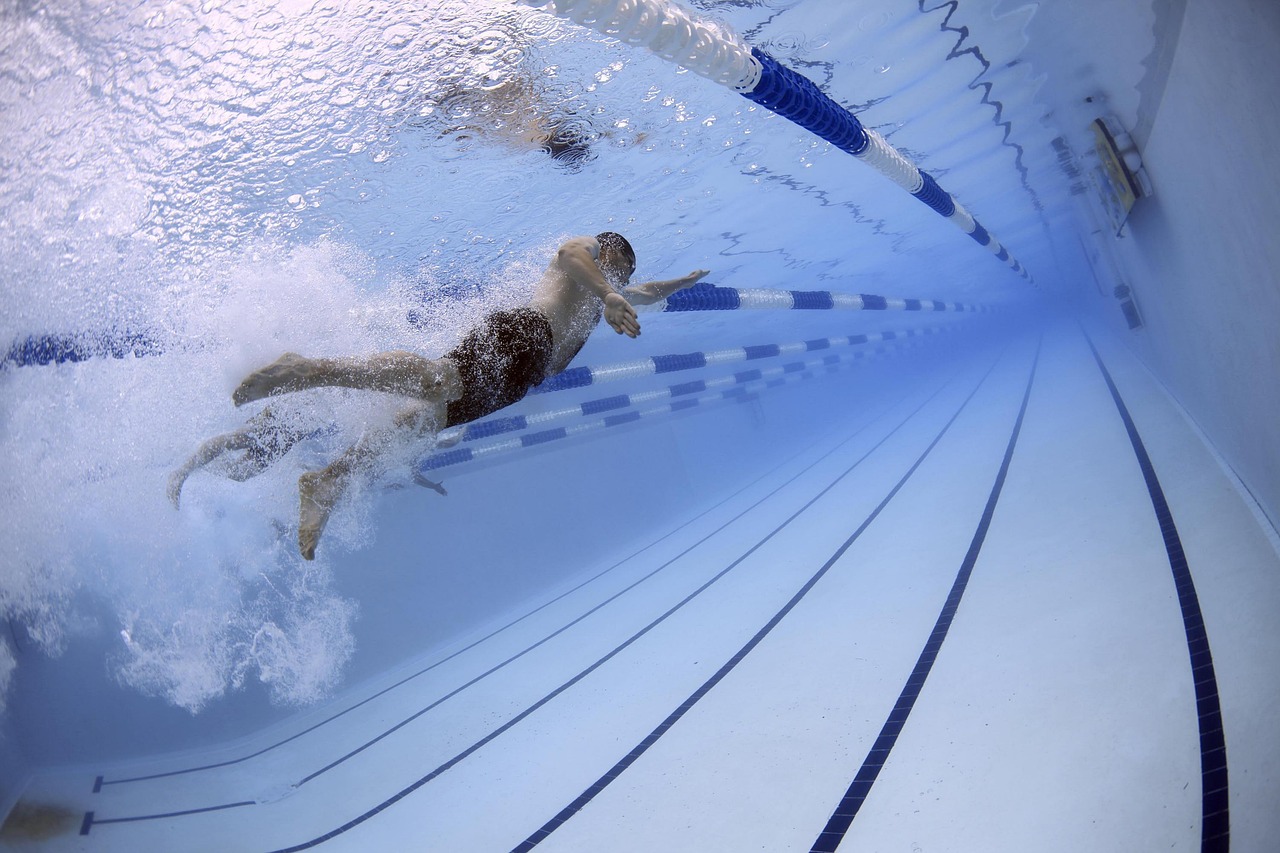

Designing Swimming Pools for Olympic-Level Training
When it comes to training for Olympic swimming, pool design becomes vital for developing excellent swimmers. The right swimming pool must offer specific dimensions, features, and conditions that cater to elite athletes’ needs. Olympic pools typically measure 50 meters in length and 25 meters in width with a depth ranging from 2 meters to 3 meters. Pools built for top-caliber athletes should have adjustable lane widths and depths. These elements play a significant role in swimmer performance. Special attention should be given to the water quality and temperature, as they can directly impact training. Additionally, lighting and acoustics in and around the pool area affect how swimmers perceive their environment. Furthermore, if the pool is designed for individual training, it should facilitate the incorporation of technology like timing systems and underwater cameras. By factoring in these essential components, pools can cater to the specific training requirements of aspiring Olympic athletes, fostering their skills and technique development. This careful design approach ensures a correct environment for elite swimmers to realize their full potential and succeed in competitions.
Moreover, the construction materials and technologies used in pool design significantly contribute to swimmer comfort and performance. The best materials not only reduce water resistance but also provide essential features like thermal insulation and durability. For example, stainless steel and advanced composite materials can be used to create pools that maintain stable temperatures and resist algae growth. The tiles selected for the pool floor and walls must align with international standards, ensuring a safe and competitive swimming surface. Alongside providing a beautiful aesthetic, these materials also need to withstand the rigorous training schedules of athletes. Special coatings can enhance traction on the pool floor, reducing the risk of slips or injuries. Including a starting block system is also crucial. These blocks should be specifically designed to minimize any vibrations or movements when swimmers dive into the water. Incorporating innovative filtration systems and water treatment technologies ensures that swimmers always train in optimally conditioned water, a factor that significantly influences recovery and performance over time. Thoughtful design elements can also create better air circulation and humidity control within the facility.
Indoor vs Outdoor Swimming Pools
When designing swimming pools for Olympic-level training, an essential consideration is whether to create an indoor or outdoor facility. Each option comes with its own set of advantages and challenges. Indoor pools, for instance, provide consistent training conditions regardless of seasonal weather fluctuations. Athletes benefit from controlled temperature, humidity, and lighting, allowing for uninterrupted and focused training sessions. Moreover, indoor pools can be equipped with cutting-edge technology, allowing for improved lap timing and analysis. On the other hand, outdoor swimming pools offer swimmers the unique experience of training in natural environments. This real-world training can prepare swimmers for various outdoor competitions. However, they are subject to weather variables that can hinder training schedules. Visibility can also be affected by natural light, which may influence performance analytics. To maximize the advantages of both types, hybrid designs can be implemented, offering retractable or removable roofs that allow for flexibility and adaptability based on weather conditions. This approach creates an optimal training environment for athletes aspiring for Olympic greatness, regardless of their preferred training styles.
Furthermore, the integration of surrounding facilities enhances the overall training experience for athletes. Each training pool should be complemented by spaces dedicated to recovery, rehabilitation, and physical training. A well-designed facility may incorporate areas like weight rooms, fitness studios, and even sports science laboratories. These benefits contribute significantly to athletes’ overall performance. For example, adding recovery zones equipped with hydrotherapy pools, massage therapy rooms, and even nutrition consultation areas can maximize training effectiveness. A nearby gym or fitness area provides space for land-based training, crucial for developing overall strength and endurance. In addition, access to sports scientists and biomechanists can help monitor performance and tailor exercises to athletes’ specific needs. Nutrition plays a vital role, and having designated spaces for meal prep can ensure athletes receive the necessary nourishment post-training. Ideal facilities create a supportive ecosystem that encapsulates all aspects of an athlete’s preparation, ranging from physical and mental health to nutrition. Overall, comprehensive planning is needed to ensure that training facilities meet the demands of elite swimming and cultivate top-level talent.
Environmental Considerations
Another pressing aspect of designing Olympic-level swimming pools is environmental sustainability. The construction and operation of swimming facilities should prioritize eco-friendly practices to minimize their carbon footprint. Innovative technologies aimed at water conservation, energy efficiency, and waste management should be integrated into the pool’s design. Utilizing alternative energy sources, such as solar panels for heating, can significantly reduce operational costs and energy consumption. It’s also essential to implement capture and reuse systems for pool water, filtering and reallocating it appropriately without compromising quality. Additionally, the use of eco-friendly materials and construction methods can foster a balance between functionality, aesthetics, and sustainability. The integration of green spaces and nearby ecosystems into the pool’s design can enhance aesthetics and promote biodiversity. Urban areas benefit from these designs, decreasing overall heat absorption while creating pleasant recreational spaces. Through thoughtful design choices, swimming facilities can serve as models of environmental stewardship, inspiring communities to pursue sustainable practices in sports and fitness. Adopting such measures aligns with global trends within the sporting community that increasingly emphasizes environmental responsibility.
Moreover, another crucial component of designing swimming pools for elite training is ensuring accessibility for all athletes. Facilities should accommodate diverse training needs and limitations, providing inclusive spaces for disabled athletes and those with varying levels of proficiency. For instance, designing entry points that cater to individuals with mobility challenges can contribute to a more inclusive environment. Ramps, accessible changing facilities, and floatation devices should be readily available. Incorporating adjustable pool depth areas allows everyone to participate in training sessions, ensuring all swimmers can benefit from high-level instruction. Creating specialized programs for different abilities, such as adaptive swim lessons or personalized coaching guidance, can also make a significant difference. Facilities should prioritize inclusivity as part of a broader vision to foster talent and help athletes realize their potential, regardless of their circumstances. Further, collaborating with local organizations to provide accessibility resources is essential for reaching aspiring athletes in the community. Ultimately, embracing inclusivity in design will compel more individuals to pursue swimming, enhancing the overall talent pool for the sport.
Feedback and Iterative Design
Lastly, after the initial design and construction of swimming pools for Olympic-level training, facilities should implement feedback mechanisms to ensure they remain effective and relevant. Continuous assessment of the pool’s performance and usability can identify areas needing improvement or modification. Engaging with athletes, coaches, and trainers post-construction provides valuable insights that can lead to enhanced facility offerings. For example, regular meetings can collect feedback about water quality, lane spacing, and the effectiveness of various training tools. This can lead to adaptations in practice or, in some cases, physical upgrades to the structure to meet evolving standards. Innovative technologies can also revolutionize feedback collection, such as surveys embedded within training apps or digital platforms that track user experiences. This encourages open dialogue among the swimming community and ensures that facilities remain adaptive to modern training needs. With performance objectives constantly evolving, a commitment to iterative design will enable swimming pools to accommodate future athletes’ requirements. This approach ultimately creates an ideal environment that cultivates elite talents for decades to come.
In conclusion, designing swimming pools for Olympic-level training demands a holistic approach that encompasses various facets of functionality, comfort, and sustainability. Considering crucial elements such as dimensions, materials, technologies, and supportive facilities can create an ideal training environment tailored for elite athletes. In designing for performance, accessibility must also be factored in to ensure inclusivity within the sport, attracting a diverse group of talented individuals. Incorporating sustainability practices demonstrates a commitment to environmental responsibility while stimulating innovation in facility management. Continuous feedback from swimmers and coaches will inform future iterations that keep the facilities relevant and supportive of elite swimming needs. By incorporating feedback and maintaining flexibility in design, facilities can thrive and adapt over time, contributing positively to athlete development. Ultimately, the best pools will not only cater to the immediate needs of training but also foster a lasting legacy within the swimming community. This creates champions who will inspire future generations and elevate the sport as a whole, proving that the right design can make all the difference in achieving excellence at the highest level.