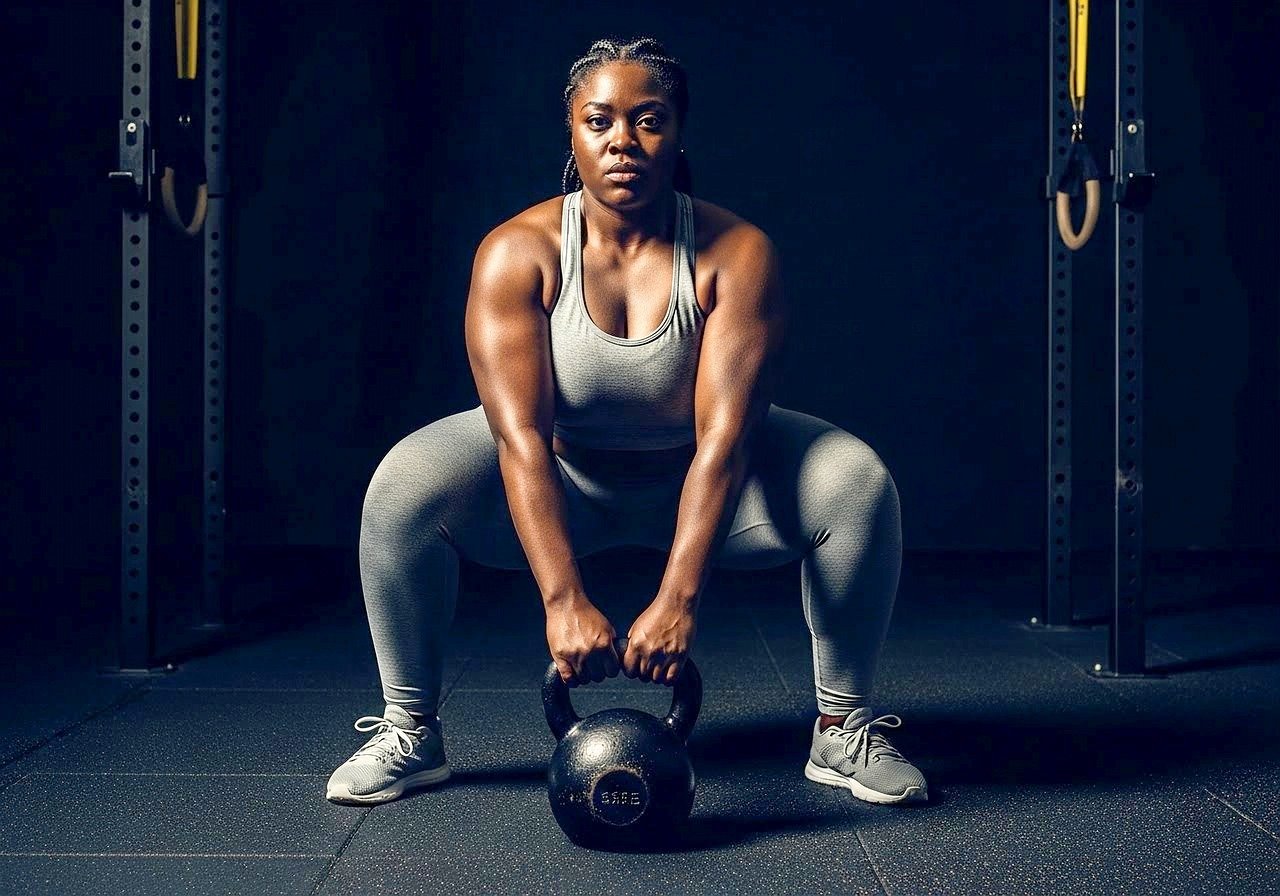

Incorporating Resistance Bands in Functional Muscle Training
Functional training is increasingly recognized for its holistic approach to fitness. By focusing on movements that mimic real-life activities, it enhances strength, stability, and coordination. Incorporating resistance bands in this regimen not only adds versatility but also challenges the body in unique ways. Resistance bands are particularly effective for muscle building as they allow for smooth strength progression while reducing the risk of injury. Bands provide constant tension, making your muscles work harder throughout the entire range of motion. This contrasts with free weights, where resistance may vary through movement. To optimize your training, you can incorporate exercises such as band squats, lunges, and chest presses. These movements target multiple muscle groups simultaneously, promoting functional strength and muscle growth. Furthermore, resistance bands are portable, making them perfect for at-home workouts or travel. You’ll enjoy the flexibility they offer, enabling workouts almost anywhere. Remember to choose bands of varying resistance levels to match your fitness goals. As you progress, adjust the intensity by using thicker bands or performing more challenging variations of exercises. Embracing this training method can lead to impressive muscle gains while improving overall functional fitness.
The Benefits of Resistance Bands
One of the remarkable benefits of resistance bands is their adaptability to any fitness level. Whether you are a beginner or an athlete, these bands offer adjustable resistance, facilitating progressive overload for muscle development. This flexibility ensures that workouts can be customized to meet unique needs, making them suitable for diverse training regimes. Another advantage is their role in enhancing balance and stability. When you integrate resistance bands into your training routine, you engage stabilizing muscles that are often neglected in traditional weight training. As a result, your functional strength increases, allowing you to perform daily activities more efficiently. With resistance bands, joint stress is also reduced compared to free weights, promoting safer strength-building practices. Individuals recovering from injuries or those with limited mobility can particularly benefit from this gentle approach to resistance training. Moreover, using bands can improve muscular endurance, enhancing overall performance. The variety of exercises possible with bands adds excitement to your workouts. The bands can be utilized for strength training, stretching, and rehabilitation, making them an invaluable addition to your fitness toolkit. By leveraging these benefits, you can optimize your functional training for significant muscle gains.
To effectively incorporate resistance bands into your functional training program, it is essential to choose the right band type and resistance level. Resistance bands generally come in different shapes, such as loop bands or long tubes with handles. Consider your workout space and preferences when selecting the appropriate style. Next, assess the resistance level that aligns with your current strength. Bands are color-coded, with colors representing varying resistance levels. Beginners might start with lighter bands and gradually progress to heavier ones as strength improves. Moreover, it’s important to warm up beforehand to prepare your muscles and joints. Incorporate dynamic stretches targeting major muscle groups for optimal preparation. Once you’ve warmed up, incorporate exercises like seated rows, banded push-ups, and lateral band walks into your routine. Aim for 2-3 sets of 8-12 repetitions for each exercise. Allow time for recovery between sets to maintain performance quality. Additionally, integrating bands into compound movements can boost muscular activation; for instance, adding a band to squats or overhead presses intensifies the workout. This diverse training strategy promotes additional muscle fiber recruitment, improving overall gains and effectiveness in functional training.
Creating a Balanced Training Program
When designing a balanced training program with resistance bands, ensure that you target all major muscle groups throughout the week. Developing a routine combining upper body, lower body, and core exercises is essential to achieve overall muscle growth and strength. Aim to work each muscle group multiple times a week for optimal results. For instance, dedicate certain days to upper body workouts using band rows, tricep extensions, and shoulder presses. On alternating days, focus on lower body training with squats, lunges, and deadlifts. Core strength is vital for functional fitness; thus, integrate banded rotations and anti-rotation exercises to enhance stability and strength in this area. Rest days are equally important for recovery and should be scheduled strategically to avoid injury or overtraining. As you progress, continuously change your exercises, resistances, or rep schemes to maintain sufficient intensity and stimulate further gains. Remember, staying consistent is crucial for seeing results. Tracking your progress can motivate and keep you accountable on your fitness journey. Lastly, prioritizing proper nutrition, hydration, and rest will maximize the effectiveness of your new training regime centered around resistance bands.
Incorporating resistance bands into your functional training not only enhances your performance in the gym but also translates to everyday tasks. Many daily activities require strength, balance, and coordination, and functional training aims to bolster those abilities. Using resistance bands, you mimic real-life movements which can improve your efficiency and reduce your risk of injury during activities like lifting groceries or climbing stairs. Additionally, using bands will help improve flexibility, as many band exercises require stretching through a full range of motion. This increased flexibility can lead to better posture and less muscle fatigue. The core stability developed from band workouts also supports organizations in both fitness and daily life. Engage your core muscles during exercises to create a strong foundation. Focus on maintaining correct posture and alignment while engaging in band training. Consider adding balance drills that utilize bands to further elevate functional strength. As you become more adept in your movements, the challenges presented by real-world tasks become increasingly manageable. Consequently, incorporating resistance bands is not only a method for muscle growth but a pathway to improve your overall quality of life through enhanced functional fitness.
Motivating Yourself to Use Resistance Bands
Staying motivated throughout your training journey is essential to achieving your fitness goals. Resistance bands can keep workouts fresh and engaging, crucial for maintaining interest. Experiment with various exercises to find ones that excite you. Mixing different routines regularly can boost enjoyment and motivation. Furthermore, setting specific, achievable goals can enhance your focus and foster a sense of accomplishment. Document your progress, whether through photos, journaling, or using fitness apps to track your improvements. Seeing tangible results can be a powerful motivator. Consider working out with a friend or joining a class to enjoy a shared experience. Social support can significantly enhance motivation and accountability, keeping you on track. Creating a fun environment is critical; listen to your favorite music or explore online classes that incorporate resistance bands creatively. Incorporate challenges like resistance band circuits or interval training to diversify your routine. Lastly, remember to celebrate your milestones—reward yourself for consistency and achievements regardless of size. These strategies can elevate your commitment and enjoyment of resistance band training, leading to enduring results in your functional muscle development.
Safety should always remain a priority when using resistance bands for functional training. Start with a proper warm-up to prepare your muscles and avoid injuries. Pay attention to the band’s condition, as worn or damaged bands can snap during use. Regularly inspect your bands for any signs of wear and tear, replacing them when necessary. Maintaining adequate form throughout your exercises is crucial—poor technique can lead to imbalances or injuries. Focus on a controlled motion for each exercise rather than rushing to complete repetitions. Concentrating on your breathing can also improve performance; exhale during exertion and inhale during the relaxing phase of an exercise. Incorporating strength training for opposing muscle groups is an effective way to prevent imbalances, ensuring the whole body is engaged in training. Finally, consider working with a qualified trainer to receive guidance on form, exercise selection, and training intensity. Personalized instruction can help you maximize your resistance band workouts while minimizing injury risk. Investing in proper safety practices will enhance your functional training experience, leading to long-lasting physical benefits and increased muscle development. This approach will help you enjoy training while safeguarding your health.