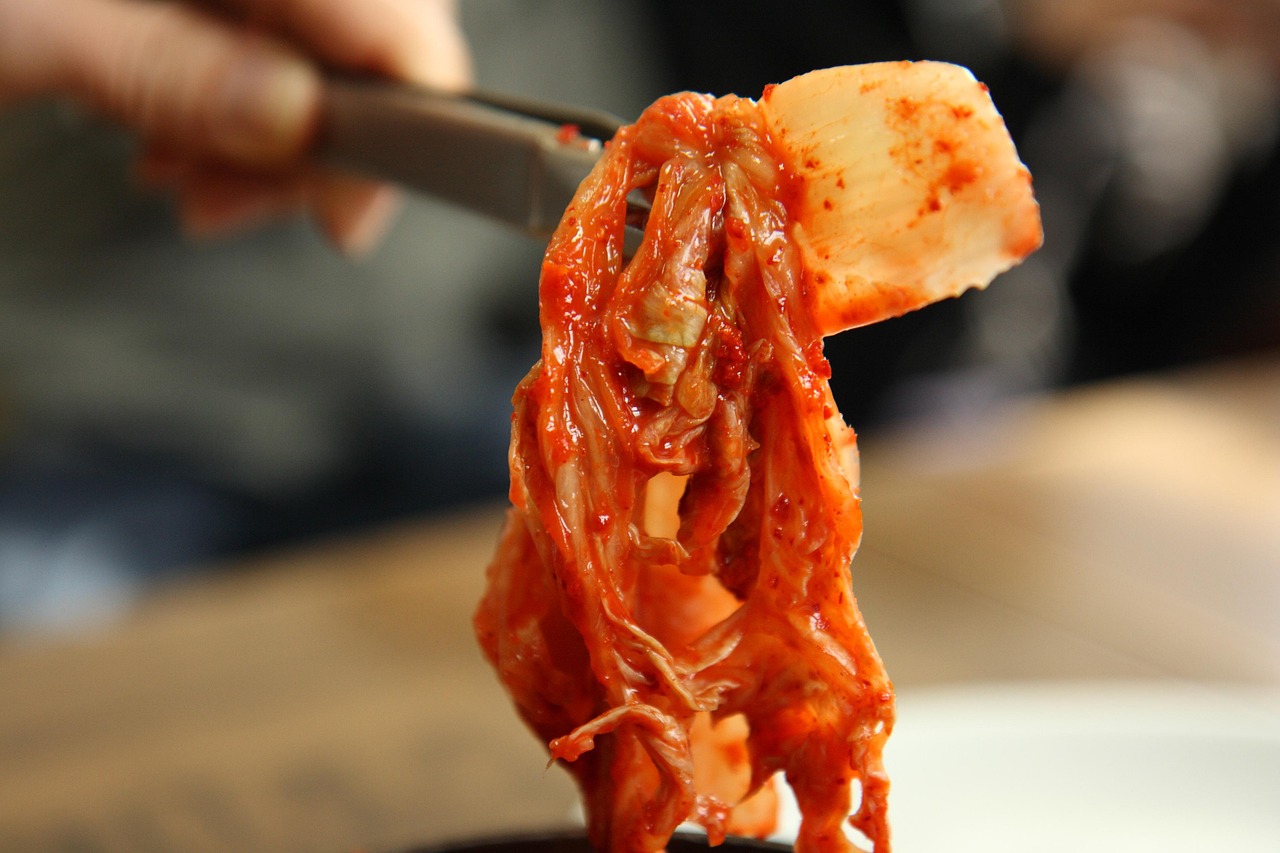

Incorporating Traditional Foods in Modern Postnatal Diets
Understanding the importance of nutrition in the postnatal period is essential for new mothers. After childbirth, the body needs time to recover, and incorporating traditional foods can greatly aid this process. Various cultures have long had practices rooted in nutritional wisdom for postnatal care. These foods are often rich in vitamins and minerals beneficial for healing. Examples include bone broths, which provide collagen and nutrients crucial for recovery. Whole grains can also be beneficial, offering energy and fiber, which is vital during such a demanding period. Incorporating fruits and vegetables, local and seasonal, ensures a rich source of antioxidants to help with inflammation. Furthermore, incorporating these traditional foods can foster a sense of community and connection to one’s heritage, reinforcing cultural identity. Consulting with a nutritionist familiar with these foods can tailor a personal diet. Paying attention to what to eat and avoid is just as critical. Hydration always plays a key role, so consuming herbal teas, often part of traditional diets, adds another layer of wellness. A thoughtful approach to diet fosters long-term health benefits, making this an integral aspect of postnatal recovery.
One of the most common traditional foods to include is congee, a rice porridge particularly valued in various Asian cultures. It’s often served warm, making it gentle on the digestive system while providing hydration. In addition, congee can be easily customized with ingredients like chicken, mushrooms, or vegetables tailored to the mother’s taste and nutritional needs. Besides being soothing, this dish is also inexpensive to make and can be prepared in larger quantities for reheating. Another traditional food often suggested is ginger, celebrated for its warming properties. Ginger is believed to enhance circulation and combat fatigue, which can be beneficial postpartum. It can be added to teas or meals for flavor and health benefits, complementing traditional recipes naturally. Alongside ginger, turmeric is another powerhouse spice valued in many cultures post-delivery due to its anti-inflammatory properties. It can support healing, especially in areas affected by childbirth. Herbal broths that include elements like kelp or seaweed are nutritious and rich in iodine, offering further health enhancements during this critical recovery phase. A combination of these foods can strengthen the body for new challenges of motherhood.
Include protein-rich foods in your postnatal meals to support muscle recovery, especially after childbirth. Incorporating traditional options like lentils and legumes can serve this purpose effectively. These foods provide essential amino acids necessary for tissue healing. They also help regulate energy levels, which is crucial when tending to a newborn. Incorporating dairy products, such as yogurt, can also be beneficial. Yogurt contains probiotics that support gut health and digestion. Many cultures utilize fermented foods after childbirth, believing they strengthen the mother’s body. They also contribute to emotional well-being by fostering connection and ritual around meals. Think about incorporating traditional pastries that include nuts and seeds, as they’re nutrient-dense and energizing. Moreover, accessibility plays an integral role in maintaining dietary habits. Ensure that ingredients are readily available to avoid feeling overwhelmed when preparing meals. Therefore, planning ahead with batch cooking options for traditional dishes can alleviate stress. Many postnatal diets advocate for ease, ensuring that new mothers can focus on their recovery. Nutritional education around these foods enables mothers to make time-efficient meals that promote satiety and support overall recovery.
The Role of Hydration in Postnatal Nutrition
Hydration is equally paramount during the postnatal period. Many traditional diets emphasize the drinking of herbal teas to aid digestion and support lactation. These herbal infusions can include varieties like fenugreek or dandelion, believed to increase breast milk supply. As hydration impacts energy and recovery, integrating these elements into the diet can promote overall comfort and wellness. In addition to herbal teas, consuming broth is another excellent method of hydration and nutrition. Traditional bone broth is considered medicinal in many cultures, rich in protein and essential minerals. Many mothers find it particularly soothing during postpartum recovery. Regular hydration, therefore, is not just a recommendation but a necessity to ensure optimal health. Always prefer fresh, whole foods and minimize processed items, paving a path for holistic recovery. When planning meals, consider balancing fluids with solids for an optimal digestive experience. Fluid requirements may vary based on individual body needs and activity levels. Incorporating hydration habits into daily routines can significantly improve mood and energy during what can be physically draining times. Providing these remedies can enhance the cultural experience of healing through food.
In the context of postpartum nutrition, identifying superfoods from traditional diets can make meal planning more efficient. Foods classified as superfoods often boast high concentrations of nutrients, beneficial for postpartum recovery. For instance, traditional views on seaweeds consider them beneficial for their rich iodine levels, which support thyroid function and hormonal balance. Incorporating them into soups or salads provides a unique twist to a usual meal while enhancing nutrition. Similarly, avocados are revered across various cultures as a source of healthy fats that can support recovery and energy levels. Including nuts, rich in omega-3 fatty acids, contributes to hormonal stabilization and potentially enhances breast milk quality. Emphasizing these nutrient-dense items can simplify the overall dietary approach during the postnatal period. Furthermore, promoting these foods encourages mothers to tap into local, traditional options easily accessed from markets. Reflecting on these practices promotes both healing and emotional bonding during family meals. A results-driven approach focusing on superfoods not only aids recovery but reinforces the transformative experience of motherhood. Overall, traditional foods can provide profound benefits tailored to new mothers’ needs.
Moreover, understanding the cultural significance of these traditional foods results in a more engaging postnatal diet experience. Each dish tells a story, reflecting the familial and cultural history associated with postnatal recovery. Gathering with family and sharing traditional recipes reinforces community bonds, enhancing social support during this time of adjustment. Incorporating traditional foods also honors the legacy of nutrition passed through generations, which some report provides emotional solace to new mothers. It creates a platform for knowledge sharing within families, where younger generations learn to prepare ancient recipes from their elders. These interactions can significantly influence the mother’s emotional health and sense of identity. Therefore, acknowledging and embracing cultural practices around nutrition invites a more holistic recovery journey post-delivery. Encouragement from family members to engage with traditional food practices can boost adherence to dietary patterns supporting recovery. Combine these foods into family mealtime rituals, create an opportunity to celebrate the new addition. Physiological recovery can be expedited by tapping into cultural practices, bridging nutrition through shared experiences. Ultimately, this fosters relationships and strengthens family bonds, ensuring both physical and emotional aspects of postpartum health are addressed.
Final Thoughts on Traditional and Modern Integration
The integration of traditional foods into modern postnatal diets requires conscious thought and planning to be beneficial. Understanding the foods that provide essential nutrients is only the starting point. The approach should also encompass how to prepare these foods while simplifying cooking processes. This could mean more emphasis on quick recipes that respect traditional flavors but adapt to modern schedules. For the cultural significance, adapting meals that bring family together emphasizes the ritual of eating as recovery time. Exploring options that meet modern dietary preferences while honoring traditional methods invites a balanced approach to nutrition. Systems that involve meal sharing, cooking classes, or communities embracing these resources can support new mothers along their journey. Bridging the gap between tradition and modernity creates exciting new possibilities for nutritious, culturally-relevant meals. When addressing nutritional needs, recommendations can blend familiar traditional cooking methods with innovation. Using fresh, local ingredients while respecting traditional wisdom offers practical solutions for today’s mothers. Ultimately, the aim is to create a supportive, nourishing environment in which new mothers can thrive and heal. The balance between traditional foods and modern adaptations can yield healthy outcomes creatively.
In conclusion, incorporating traditional foods into postnatal diets offers invaluable benefits that support recovery and offer emotional solace to new mothers. Taking cues from cultural practices surrounding food can foster a delightful culinary journey that promotes wellness. Paying close attention to food choices, preparation methods, and family support can solidify the postpartum nutritional foundation. Each food selected carries power, reflecting cultural wisdom, ensuring mothers respect their heritage while nourishing their bodies. Engaging with local ingredients bridges the gap to the past while stepping into a modern age of consciousness and community. The emphasis on balanced nutrition drawn from traditional diets uniquely positions mothers for a healthier postpartum experience. In a world that often pushes toward quick fixes and convenience, traditional foods create space for mindfulness surrounding meals. The act of eating transcends nutritional benefits, embodying emotional and cultural ties, enriching the recovery journey for mothers. Ultimately, embracing these foods promotes healing on various levels, shaping overall health outcomes. Explore these options to enhance personal experiences, reminding ourselves of the nourishing power in every meal.