
Music and Lighting: Setting the Ultimate Yoga Mood
Creating the ideal environment for yoga practice involves several elements, with music and lighting being the most crucial. Music has the power to impact our emotions, enhance focus, and even aid relaxation. For yoga classes, choosing the right music can elevate the experience, making it spiritually enriching. Ambient sounds, gentle melodies, or instrumental tracks can help maintain a calming atmosphere. When selecting songs, consider opting for those with smooth rhythms and serene vibes, as they align with a yoga session’s pace. Some might prefer nature sounds or wind chimes to deepen the ambiance. To create an immersive experience, play music at a low volume to keep the focus on yoga. The goal is to have participants feel secure and peaceful. Integrating technology is also an option, such as using apps for curated playlists designed specifically for yoga. Furthermore, consider asking class members about their music preferences, which can foster a sense of community and engagement. Ultimately, the right soundtrack can significantly enhance one’s yoga journey, so choose wisely for the best results.
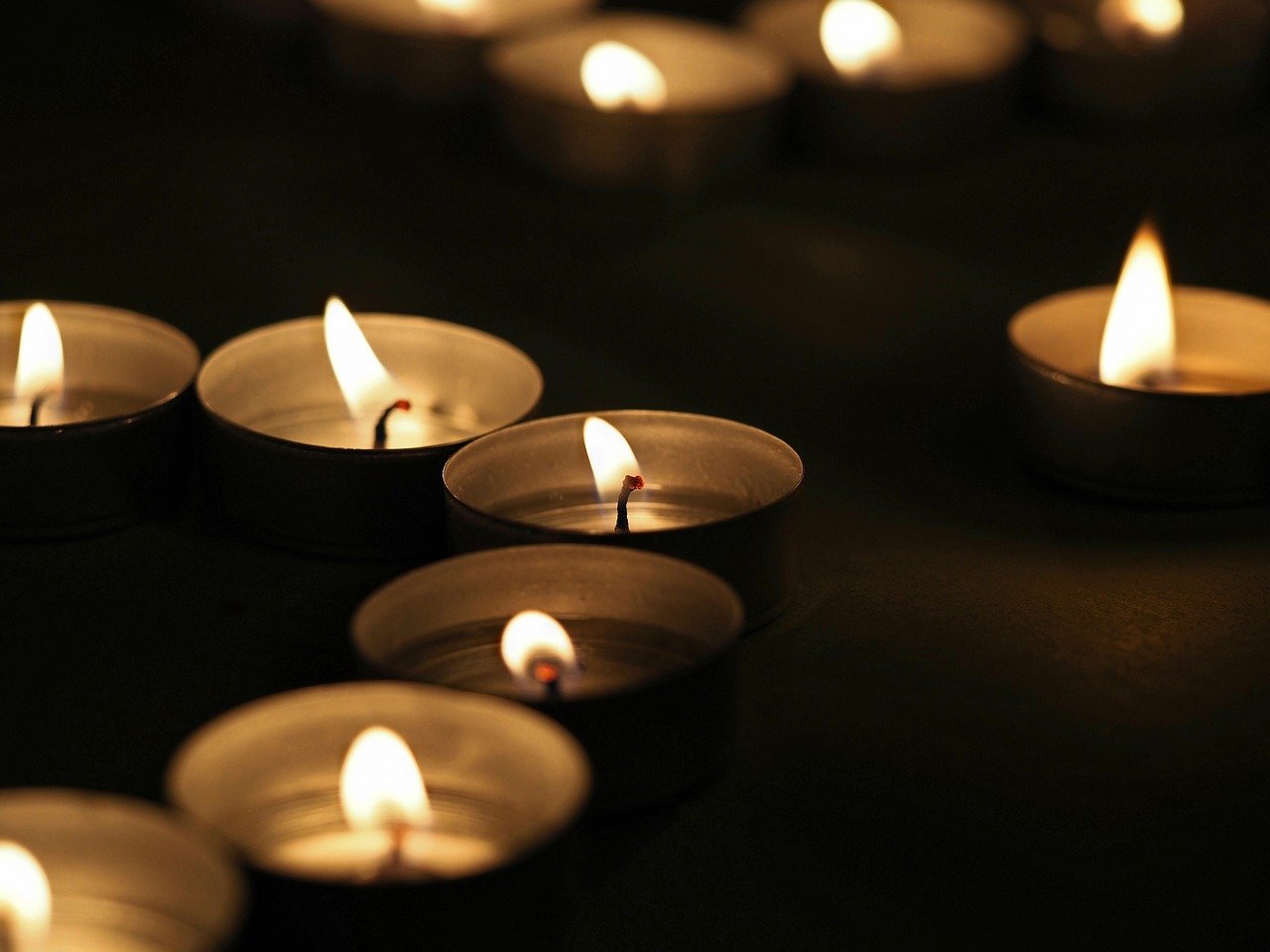
Once you have the perfect music selected, it’s time to consider the lighting in your yoga space. The right lighting can transform any room, making it feel more inviting and serene. Dim lighting is often preferred in yoga studios as it encourages relaxation and meditation. Consider using soft, warm light that can be adjusted according to mood and time of day. Natural light can also play a significant role; large windows allow for sunlight to illuminate your practice space. Alternatively, think about adding soft lamps or LED candles to enhance the ambiance further. For evening classes, ensure the room has a cozy feel, as this encourages winding down. You could also use colored lights to create different moods; for instance, blue can be calming while green promotes growth. Avoid harsh fluorescent lights, as they can be distracting and unsettling. Instead, aim to create layers of light, so practitioners feel enveloped and safe. Post-class, reflect on how the combination of music and lighting worked and consider adjusting them based on feedback.
The Role of Ambiance in Yoga
Ambiance extends beyond music and lighting; it’s about crafting an entire mood that resonates with practitioners. This also involves the scent and temperature of your yoga space. Utilizing essential oils or incense can complement the sound and light, creating a holistic environment. Scents like lavender or sandalwood can calm the mind and enhance focus during yoga. It’s essential to ensure the room temperature is comfortable, as a space that’s too hot or cold can distract from the practice. Ideally, the space should feel like a sanctuary, allowing individuals to leave their outside stress at the door. Soft textures, like mats and blankets, can further enhance comfort. Arrange the yoga space to promote ease of movement and flow; keeping it clutter-free can significantly uplift the overall ambiance. Additionally, consider incorporating elements from nature, such as plants or water features, which can bring tranquility. Your ambiance should support the practice’s goal, encouraging mindfulness and inner peace. Take a moment to evaluate how each aspect interacts during your sessions.
When setting the ambiance, you may want to consider the use of guided meditation music or soundscapes at particular periods in your classes. These tracks can create an intimate and immersive atmosphere, which helps to deepen the connection with oneself and enhance mindfulness. Integrating elements such as chanting or Tibetan bowls can enrich experiences. Practitioners often find that harmonizing their breath with soothing sounds heightens their overall experience. Another layer to consider is the rhythm; softer sounds can accompany slower yoga styles like Yin or Restorative, while more rhythmic tracks might suit Vinyasa flows. Listening to practitioners and their preferences can guide your choices; creating playlists that resonate with different styles of yoga can be useful. Before each session, ensure your sound equipment is well-tested to maintain a flow without interruptions. A successful ambiance reflects the intention behind your practice, promoting a supportive, tranquil environment. As you curate soundscapes, think about how they can enhance the journey within each session.
Feedback and Adjustments
Feedback from yoga practitioners regarding music and ambiance is invaluable. After classes, invite students to share their thoughts on the sound and lighting setup. These discussions can reveal insights that enhance future classes, making each one more tailored and enjoyable. Recognizing individual preferences can lead to a more fulfilling experience; for some, silence might be more restorative than music. Emphasizing the importance of an environment that encourages personal exploration is key to a successful yoga atmosphere. Additionally, running occasional polls or surveys can give you a broader understanding of what works for your attendees. Consider different styles of yoga that might vary in preference; for example, more dynamic classes may thrive with vibrant music, whereas restorative practices may lean toward quieter settings. Be open to experimenting with alternative sound options; harmony is essential for having the right ambiance. Ultimately, gathering feedback allows you to connect better with your audience, ensuring your classes feel inclusive and well-considered for everyone.
Lighting can also play a significant role in how comfortable and engaged practitioners feel in a class. Mood lighting can foster relaxation and reflection, fostering an environment in which students can truly embrace their practice. If possible, use dimmers or adjustable lighting fixtures to tailor the atmosphere for various activities. For certain classes, have the option of bright lighting, while for others, soft lighting enhances connection and introspection. A well-lit room can encourage focus, whereas softer lighting lets participants enjoy their internal journey without distractions. Pairing lighting styles with the flow of the session can create a unique synergy; for example, gradual dimming during a calming Savasana or brighter lighting during upbeat flows may serve to amplify energy levels. Experiment through the practices to calibrate the effects of lighting and music. Choose artistic lamps or candles that add visual beauty; they can work wonders, creating not just an ambiance but an inspiring aesthetic that cultivates inner peace. Remember, every detail contributes to the overall experience that resonates within the yoga practice.
Final Thoughts on Yoga Ambiance
In conclusion, music and ambiance are fundamental in shaping the yoga experience. Prioritize the cohesive integration of sound, lighting, and scent to craft an ideal environment in which practitioners can thrive. As you develop playlists, think mindfully about how each track influences mood and energy, and strive to balance and harmonize these elements. Always adjust according to participant feedback, as their insights will guide you in perfecting their experience. Classes should evoke feelings of security and open exploration; to achieve this, fine-tune your ambiance continuously. Regularly revisit your setup to accommodate changing needs; what works today might evolve over time. Your dedication to creating a calming and transformative space will resonate deeply with practitioners, encouraging personal growth and professional satisfaction. Strive to be adaptable as you experiment with different music styles, lighting options, and practices. Ultimately, the ultimate goal is to cultivate an inviting atmosphere that fosters peace, relaxation, and deep engagement. Every class is an opportunity to enhance these elements and provide an experience that uplifts the spirit.
In summary, creating the ultimate yoga ambiance requires a blend of essential elements. Music, lighting, and scent are vital components that shape this experience. Carefully curate the soundtrack to align with the energy and intention of each session, and adjust the lighting to enhance relaxation. Always remain receptive to feedback from practitioners to foster an inviting atmosphere. Consider also the importance of visuals, whether through nature-inspired decor or calming colors, everything plays a role. Nature elements, plants, and carefully arranged decor can harmonize with your chosen music, enhancing a sense of tranquility. Creating a visually appealing space can also inspire confidence and facilitate mindfulness. Integrating a ritual before classes can solidify a tranquil energy, preparing everyone for the practice ahead. The essence of yoga involves seeking inner peace and connection; ensure your space nurtures this journey. Regularly reassess your ambiance setup to ensure it continues to meet the needs of your practitioners. Follow these suggestions to provide an uplifting experience; with the right ambiance, yoga becomes a transformative journey. Whatever your decisions, aim to cultivate an atmosphere where practitioners feel safe, welcomed, and empowered to explore their personal inner landscapes.