
Protein Powders in Sports Nutrition: Emerging Trends
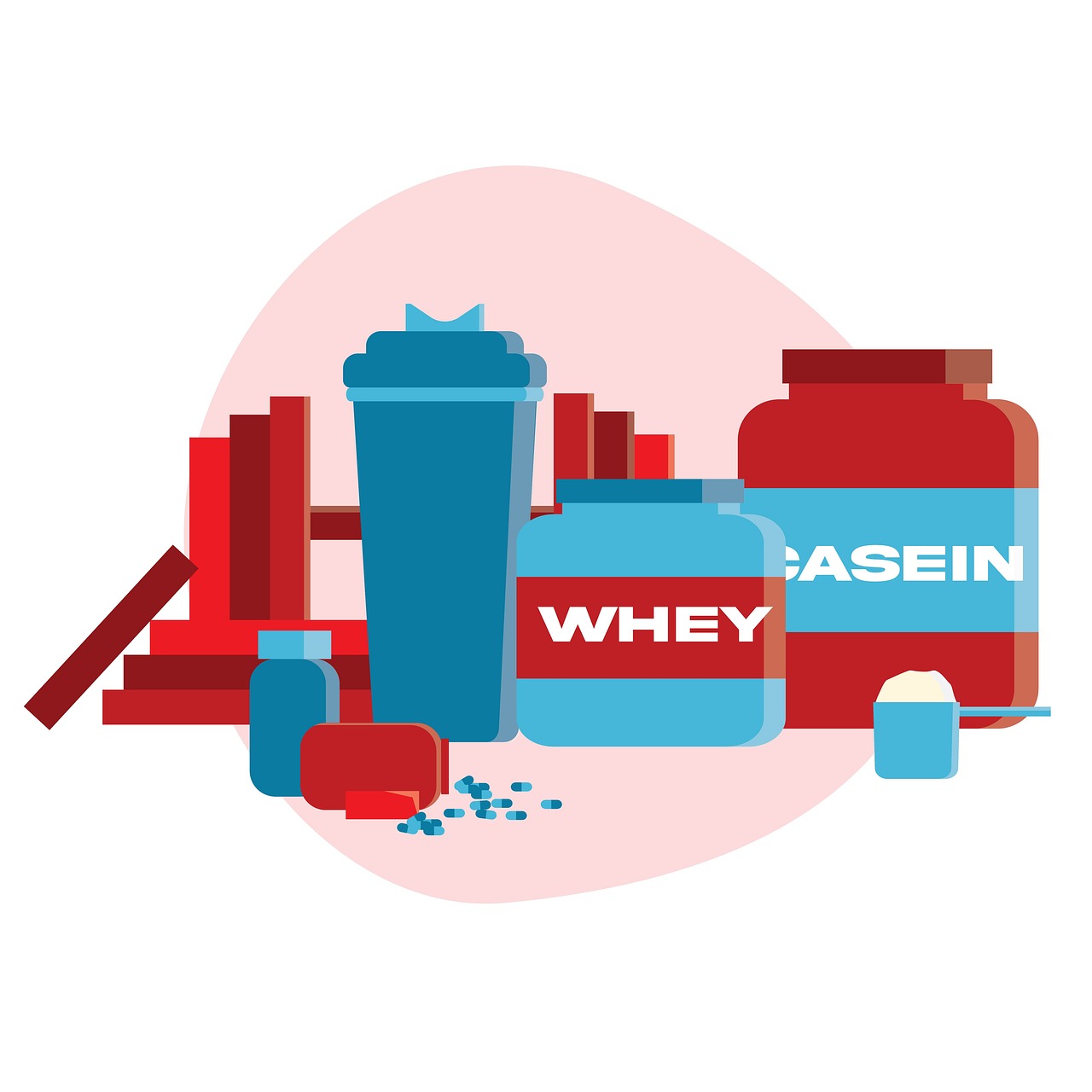
Protein powders have become essential in the sports nutrition realm, supported by a growing body of research. Athletes and fitness enthusiasts rely on them to meet their protein requirements, crucial for muscle recovery and development. Research has shown that adding the right type of protein powder to one’s diet can enhance performance and support overall health. Varieties of protein exist, including whey, casein, soy, egg, and pea protein, all catering to different dietary needs and preferences. Whey protein, derived from milk, is the most popular due to its rapid absorption and complete amino acid profile. On the other hand, plant-based proteins like pea and soy are gaining popularity among vegans and lactose-intolerant individuals. The emerging trend is towards natural and organic protein sources, attracting health-conscious consumers. Additionally, innovative protein blends combine multiple sources to provide optimal benefits. Consumers are now more aware of the ingredients in protein powders, leading to increased demand for clean labels and transparency. Sustainability and ethical sourcing have also become key concerns, shaping the future of protein supplements.
Modern athletes strive for effective recovery strategies, and protein powders play a pivotal role in this process. Research has established that protein intake after exercise can significantly improve recovery times. Studies suggest that consuming a protein-rich snack or shake within 30 minutes post-workout can lead to increased muscle protein synthesis. This is crucial for repairing exercise-induced damage to muscles and promoting growth. Notably, timing and quality of protein matter. Emerging trends showcase the integration of nutrients such as branched-chain amino acids (BCAAs) and glutamine in protein powders. These additions help reduce muscle soreness and inflammation, facilitating faster recovery. Furthermore, hydration is essential; many brands now offer formulations that include electrolytes, thus improving overall performance. Protein powders are becoming increasingly versatile, with options for smoothie mixes, baked goods, and snacks. Athletes are creatively incorporating them into their diets to enhance taste and nutritional content. The growing focus on personalized supplementation based on individual goals and metabolic needs is becoming a norm. Consumers seek expert guidance on protein types and amounts suited to their performance profiles, thanks to the trend towards individualized nutrition planning.
Innovations in Protein Sources
The protein supplement industry has witnessed remarkable innovations in recent years, especially regarding sourcing and processing. Traditional sources like whey and casein continue to dominate, yet demand for alternative sources is accelerating. Plant-based proteins, in particular, are evolving rapidly as manufacturers explore unconventional options. Pea, rice, hemp, and pumpkin seed proteins have gained favor, with brands focusing on blends that enhance the amino acid profile. The rise of insect protein is yet another trend worth noting. While unconventional, it boasts a low environmental impact and high nutrient density, appealing to eco-friendly consumers. Companies are now exploring sustainable extraction methods, focusing on optimal nutrient retention. Moreover, advancements in technology enable better digestibility and absorption of these proteins, making them more effective for consumers. Flavoring and textural improvements are employed to enhance the experience, allowing consumers to enjoy protein without compromising on taste. These innovations not only cater to dietary preferences but also promote environmental sustainability. Educated consumers are increasingly gravitating towards sustainable protein options, reshaping the marketplace. Awareness around these offerings brings long-term changes to consumption behaviors and practices.
The rise of protein blends forms another emerging trend worthy of discussion. Instead of relying on single-source proteins, blended formulas aim to combine the benefits of various protein sources. For instance, combining whey with plant-based proteins can create a comprehensive amino acid profile that supports diverse dietary needs. This is particularly important for athletes who require balanced nutrition to support optimal performance across different activities. Brands now market these blends as superior options for addressing specific fitness goals, providing a unique selling point. Additionally, these blends cater to consumers with allergies or dietary restrictions, offering versatile solutions. As well, blended protein powders are becoming synonymous with natural ingredients and clean labeling, indicating a shift towards transparency in the industry. The focus on functional attributes like digestibility is influencing how manufacturers develop products. Personalized nutrition gained traction as consumers seek healthier lifestyles; hence, protein blends serve an important role in offering convenience for tailored diet plans. The emergence of protein-packed snacks and meals showcases how protein blends can fit seamlessly into everyday diets, encouraging consumers to embrace healthier choices easily.
Health-Conscious Consumers
Health-conscious consumers are continuously seeking products that align with their wellness goals, and protein powders play a crucial role in this equation. Nutrition education, prevalent through various media, has empowered individuals to take control of their dietary choices. As a result, the demand for high-quality, clean-label protein powders has surged. Brands are responding to this by formulating products that prioritize natural ingredients, avoiding artificial additives and sweeteners. Transparency in ingredient sourcing has become a key differentiator. Moreover, certifications like organic, non-GMO, and gluten-free reinforce consumer trust. Emerging research highlights how protein intake correlates with health outcomes beyond muscle growth, including weight management and metabolic health. These findings bolster the argument for including protein powders in daily diets. The trend toward holistic wellness emphasizes mental health and physical fitness, thus impacting the protein supplement landscape. Personalization is also driving trends; consumers are interested in tailored mixtures that suit their specific health needs. Ultimately, companies that keep pace with these trends will likely succeed by meeting informed consumer demands and maintaining a commitment to ethical practices.
An interesting trend sees consumers pushing for transparency and quality in protein sourcing and processing. In response, leading brands are investing in research to improve product formulations, focusing on ingredient integrity. This trend encompasses not only the nutrient profile but also the source of the ingredients used in the powders. Consumer awareness around issues such as sustainability, environmental responsibility, and ethical practices is reshaping market dynamics. Many health-focused athletes now prioritize supplements that align with their values, leading to increased demand for responsibly sourced raw materials. As well, the gut health movement is influencing protein powder formulations, prompting manufacturers to include probiotics and prebiotics. Studies link gut health to overall wellness and athletic performance. Enhanced digestion aids in nutrient absorption, making quality protein powders even more beneficial. The product landscape is continuously evolving, and brands that successfully communicate their commitment to quality and ethical practices are poised for growth. This shift challenges manufacturers to innovate, ensuring they stay aligned with consumer expectations. Maintaining transparency throughout the supply chain fosters trust, ensuring long-term consumer relationships as the market continues to expand.
The Future of Protein Powders
Looking ahead, the future of protein powders in sports nutrition appears promising, characterized by continuous innovation and responsiveness to consumer needs. Research into alternative protein sources will likely drive the next wave of products, focusing on sustainability and nutritional density. Emerging technologies, like plant-based fermentation and microbial protein synthesis, show potential to yield unique supplements that cater to various dietary restrictions. Additionally, the trend towards functional foods means protein powders will incorporate added benefits, like vitamins, minerals, and superfoods. These enhancements aim to provide comprehensive health benefits beyond just protein content. As personalization becomes a mainstay in dietary planning, consumers will increasingly seek tailored protein solutions based on their individual health and fitness goals. Enhanced product delivery methods, such as ready-to-drink formulations or convenient on-the-go packs, will likely thrive. Innovations in flavor development and palatability will ensure that consumers enjoy their protein intake. Thus, effective marketing strategies that emphasize health, sustainability, and convenience will help brands not only meet emerging consumer demands but also maintain relevance in a competitive landscape. Overall, protein powders will remain indispensable in the arena of sports nutrition.
As we explore these emerging trends in sports nutrition, it’s clear that protein powders will continue to play a vital role in the evolution of fitness and health. With an increasingly informed consumer base, brands that prioritize innovation, quality, and sustainable practices will capture the market’s attention. These trends not only reflect the growing awareness surrounding health but also underline the interconnectedness of personal growth and environmental responsibility. Keeping pace with the evolving landscape means adapting to new research, consumer preferences, and expectations. In conclusion, understanding these trends not only aids consumers but also equips brands to tailor their offerings better. Overall, the quest for the optimal protein supplement is now more exciting and nuanced than ever, reflecting a blend of science, taste, and ethical practices. It’s a remarkable time to be part of the evolving sports nutrition space.