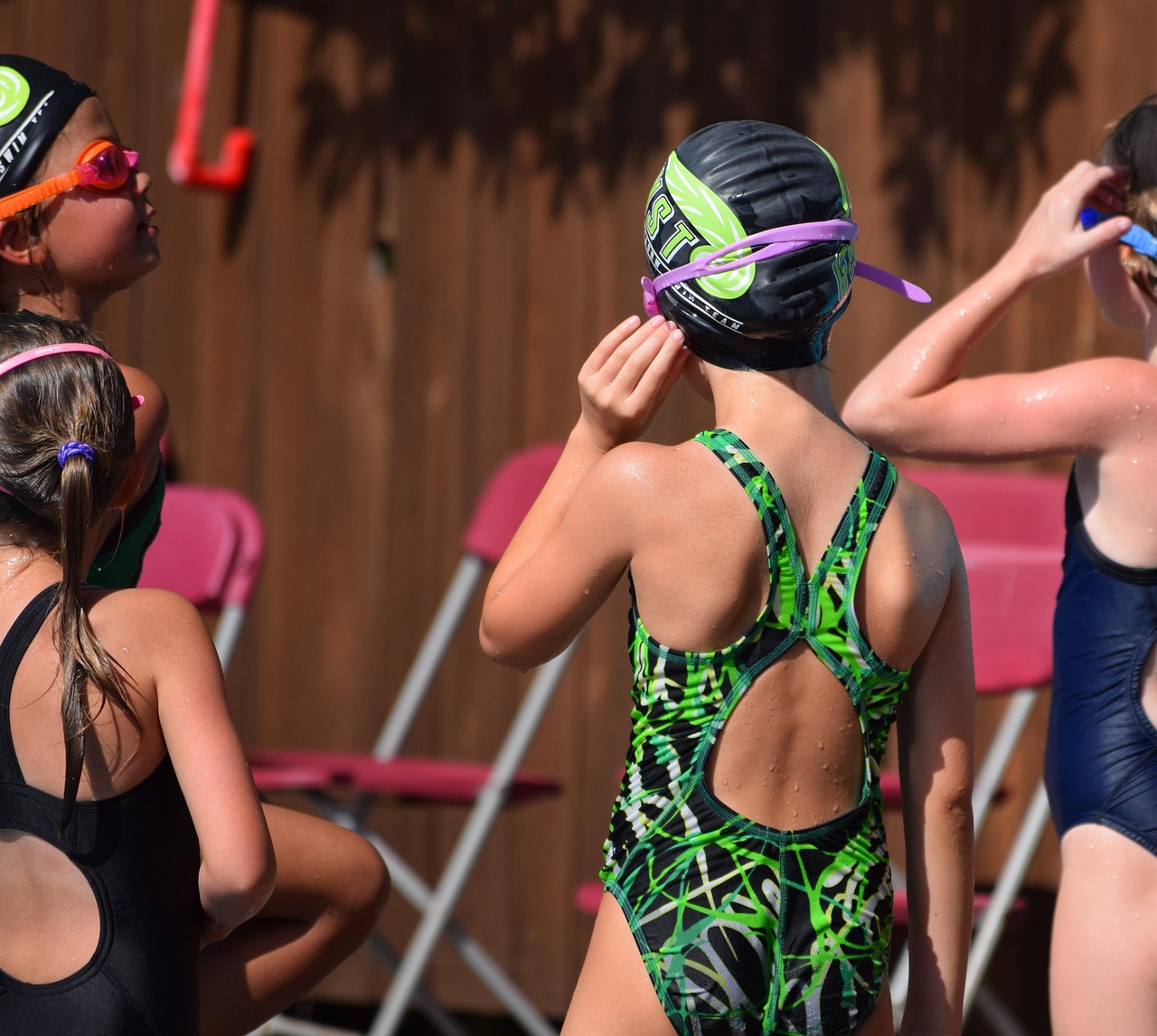

Importance of Pacing Strategies During Swim Meets
When participating in swim meets, pacing strategies are crucial. Athletes often focus on training techniques and improving strokes but fail to grasp the importance of pacing. Proper pacing ensures swimmers perform optimally throughout the event, preventing fatigue or burnout. A swimmer’s pace should be aligned with their abilities while considering race distance and competition. Poor pacing can lead to mismanaged energy levels, resulting in slower finishes. To master pacing, swimmers should practice during training, simulating race conditions. Coaches can play a pivotal role in educating athletes about pacing techniques. Key tools like pace clocks or lap timers help athletes gauge their speed and adjustments. Swimmers should learn to control their energy output, breaking races into manageable segments. Understanding one’s body and how it responds to different speeds is vital. Additionally, effective pacing strategies support mental strength. Swimmers can learn to visualize their race, helping maintain a steady rhythm. To develop effective strategies, swimmers should track their times and compare performances. Working closely with coaches can help refine these techniques as well, ensuring optimal results in competitive settings and ultimately leading to success in swim meets.
During training, swimmers must integrate pacing into their practice routines. This should include varying techniques and distances to enhance their pacing skills. Swimmers can create personalized pacing charts with their coaches to analyze prior performances, identifying areas for improvement. Consistently practicing these paces allows athletes to develop muscle memory for race day. Mixing different sets, such as endurance and sprint workouts, can enhance overall pacing efficiency. For example, interval training can simulate race conditions while reinforcing speed endurance. Athletes should aim to learn the optimal splits for their races. Knowing these splits helps manage energy distribution throughout the race, especially in longer distances. Every swimmer has unique pacing requirements based on their stroke count and overall fitness. Individualized approaches help every athlete find their ideal pacing strategy. Moreover, mental preparation is crucial when establishing a pacing plan for swim meets. Visualizing a successful race can instill confidence in the swimmer’s ability to maintain their pace throughout. Practical implementation of pacing strategies leads to excellence in swim meets and informs training approaches. Ultimately, mastering pacing is a holistic effort combining both physical and mental preparation, something every swimmer must consider before diving in.
Understanding Energy Management
Energy management is a vital component of pacing strategies. In a swim meet, energy conservation significantly influences performance and outcome. An effective pacing strategy reduces energy wastage, ultimately allowing swimmers to sustain higher speeds over longer distances. Athletes benefit from understanding their body’s energy systems, including aerobic and anaerobic pathways. This knowledge empowers swimmers to make tactful decisions regarding when to exert energy and when to conserve it. For instance, a swimmer may start at a comfortable pace, gradually increasing speed later in the race. This approach facilitates a surge toward the finish line. Additionally, swimmers often assess their competition to adjust their pacing strategy accordingly. Analyzing competitors’ techniques and pacing can provide insights into how to enhance one’s race performance. Adopting a strategic mindset when considering energy management improves not only individual performances but also encourages a competitive spirit. Swimmers are likely to achieve better times while staying within their energy limits. Ultimately, implementing energy management tactics leads to a more efficient swim and enhances the entire meet experience. Proper pacing helps maintain stamina, allowing swimmers to compete fiercely with confidence while pushing their limits effectively at swim meets.
In addition to pacing, nutrition plays a role in performance during swim meets. Swimmers should focus on maintaining a balanced diet, including carbohydrates and proteins, for optimal energy levels. They must stay hydrated before, during, and after the meet. Pre-race meals should be timed well to allow for digestion and energy availability. Poor nutrition can hinder a swimmer’s ability to adhere to their pacing strategy. Swimmers need to understand the importance of fueling their bodies adequately. Furthermore, recovery strategies post-race contribute to overall performance. Proper rest helps maintain the body’s energy reserves for subsequent races. Strategies such as ice baths, stretching, and refueling assist in quicker recovery times, allowing swimmers to bounce back faster. Mental preparation is also essential to executing a successful pacing strategy. Utilizing visualization techniques prepares athletes to confront unexpected challenges during races. Preparation also includes rehearsing techniques beforehand, so swimmers don’t feel overwhelmed during competition. Sometimes, pacing adjustments may be necessary based on actual race conditions. Flexibility in strategy can lead to better overall outcomes. It is essential, therefore, to analyze and prepare for all elements affecting performance for improved pacing strategies, and ultimately success in swim meets.
The Role of Mindset
Mindset significantly affects race outcomes and pacing strategies. Developing a positive, determined attitude enables swimmers to overcome challenges during competition. The mental aspect of pacing can be just as vital as physical preparation. Athletes must visualize their race, focusing on maintaining controlled breathing and form throughout. A confident mindset encourages swimmers to trust their pacing strategy and adhere closely to it. Engaging in mindfulness practices such as meditation or visualization helps athletes cultivate this mindset, focusing on every stroke and breath. Athletes can benefit from establishing a routine leading up to race time, calming nerves and enhancing concentration. It is essential to center themselves, mentally rehearsing the event while reinforcing trust in their abilities. When mental barriers are addressed, athletes are more likely to execute their pacing strategies efficiently. Moreover, establishing a support system among teammates can foster motivation and camaraderie. Coaches and fellow swimmers provide encouragement, boosting morale and resilience. Ultimately, a positive mindset can enhance race performance by reducing pressure and increasing focus. The interplay of mindset with pacing can serve as a determining factor in successful race execution, helping athletes shine during crucial moments in swim meets.
Analyzing pacing strategies after swim meets is imperative for continuous improvement. Athletes should review their performances, reflecting on their pacing decisions and results. This analysis provides insights into what worked effectively and what needs adjustment. Keeping a detailed race journal can help swimmers identify patterns in their pacing strategies over time. Noting times, energy levels, and emotional states during races allows athletes to refine their techniques. It’s also essential to collect feedback from coaches, who can offer valuable external perspectives. Engaging in discussions about pacing decisions and overall performance can unveil new strategies. Reviewing video footage of their races can also help swimmers see where they can improve. This leads to a clearer understanding of how pacing adjustments can influence race outcomes. Furthermore, creating a growth mindset is crucial in this reflective process. Emphasizing personal development over specific outcomes enhances the learning experience. As swimmers continue to adapt and evolve, they become more proficient in their pacing strategies. This adaptability ultimately contributes to greater success in future swim meets. Improving pacing not only optimizes performance but also instills confidence, empowering swimmers to pursue their goals relentlessly and achieve excellence within competitive swimming.
Conclusion: Embracing Pacing Strategies
Embracing pacing strategies enhances overall swim performance and competition outcomes. Athletes must understand the importance of pacing, energy management, nutrition, mindset, and reflective analysis. The combination of physical preparation and mental resilience leads swimmers to capitalize on their talents effectively. Successful pacing strategies require a willingness to adapt, enabling athletes to manage their energy levels throughout various race conditions. Integrating nutrition, maintaining hydration, and scheduling rest are cornerstones of a winning formula that enhances pacing. Ultimately, every swimmer can benefit from implementing these strategies, gaining confidence, and achieving competitive success. A well-constructed racing plan serves as a guide, allowing athletes to stay focused and committed to their goals. Team support plays a crucial role in this journey, fostering motivation and camaraderie among members. When swimmers refine their pacing techniques, they unlock their potential, refining their skills with every competition. Developing a personalized approach makes every swimmer unique and capable of performing at their best. Overall, the significance of pacing strategies cannot be understated, as they are integral to the art of competitive swimming and can dictate performance outcomes during significant events, making it essential to prioritize this aspect of training.
The Role of Mindset
Mindset significantly affects race outcomes and pacing strategies. Developing a positive, determined attitude enables swimmers to overcome challenges during competition. The mental aspect of pacing can be just as vital as physical preparation. Athletes must visualize their race, focusing on maintaining controlled breathing and form throughout. A confident mindset encourages swimmers to trust their pacing strategy and adhere closely to it. Engaging in mindfulness practices such as meditation or visualization helps athletes cultivate this mindset, focusing on every stroke and breath. Athletes can benefit from establishing a routine leading up to race time, calming nerves and enhancing concentration. It is essential to center themselves, mentally rehearsing the event while reinforcing trust in their abilities. When mental barriers are addressed, athletes are more likely to execute their pacing strategies efficiently. Moreover, establishing a support system among teammates can foster motivation and camaraderie. Coaches and fellow swimmers provide encouragement, boosting morale and resilience. Ultimately, a positive mindset can enhance race performance by reducing pressure and increasing focus. The interplay of mindset with pacing can serve as a determining factor in successful race execution, helping athletes shine during crucial moments in swim meets.