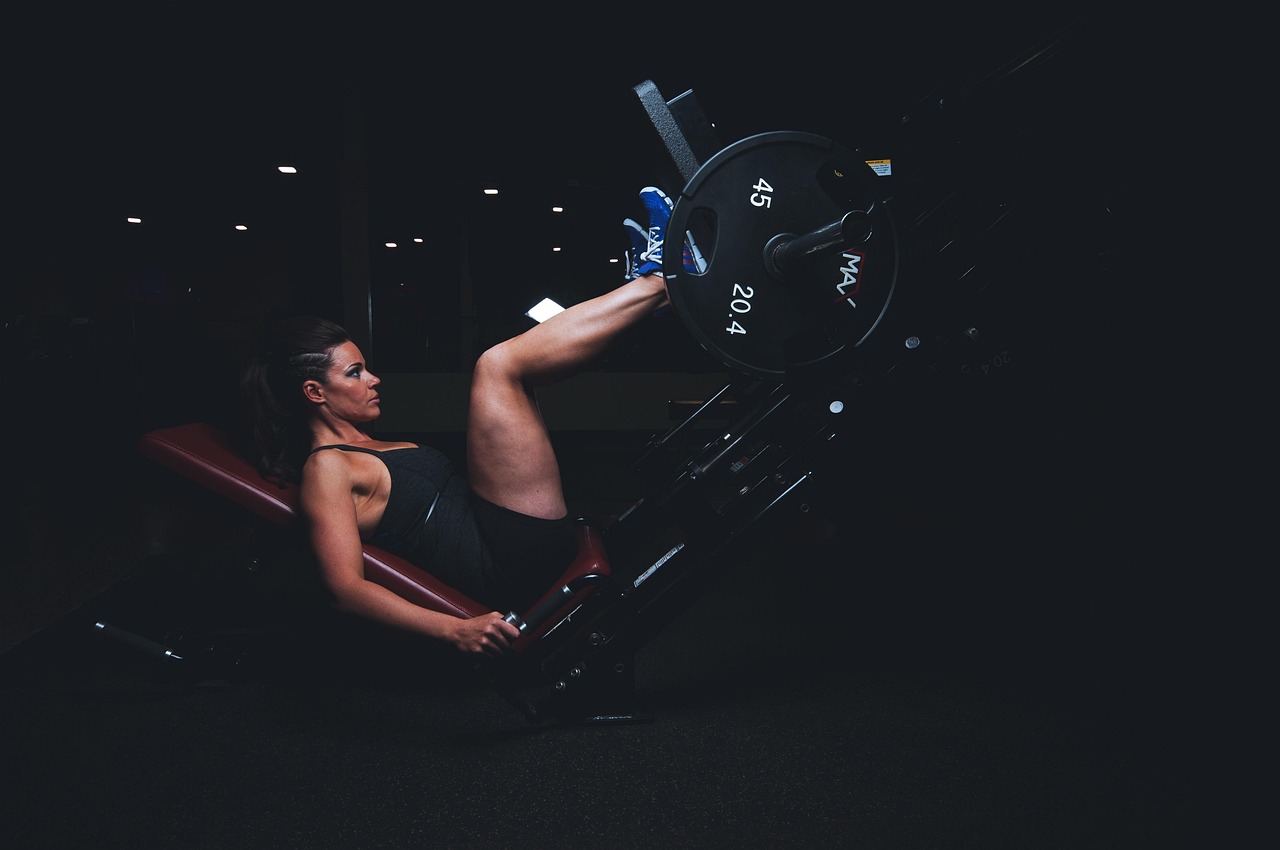

Improve Your Agility with Intermediate Plyometric Exercises
Plyometric exercises are excellent for enhancing agility and developing explosive power. These workouts involve rapid and intense movements designed to improve strength and speed simultaneously. For intermediate athletes, incorporating plyometrics into your regimen can yield significant athletic gains. Some excellent exercises to include are box jumps, jump squats, and depth jumps. Box jumps target your lower body explosively, while jump squats focus on developing strength and speed together. Depth jumps challenge your body’s ability to absorb impact and respond quickly. Consistently practicing these drills will result in improved coordination and agility. However, it’s crucial to maintain proper form to minimize injury risks. Start with lower heights and progress gradually. Ensure you warm up effectively before these workouts, focusing on mobility and dynamic stretches. Remember to get enough rest between sets to recover effectively. With dedication and consistency, you will notice remarkable improvements in your agility and overall athleticism. Balancing plyometric training with strength and endurance workouts will create a well-rounded athletic foundation essential for most sports activities.
Key Benefits of Intermediate Plyometric Workouts
The benefits of intermediate plyometric workouts are vast and can significantly enhance performance in various sports. Plyometric training primarily improves muscular power, enabling athletes to generate maximum force in shorter durations. This enhancement translates into improved sprinting speed, quicker directional changes, and explosive jumping ability. Moreover, plyometric workouts promote better coordination, balance, and proprioception skills. Enhanced body awareness is crucial in sports such as basketball, soccer, and tennis, where quick reactions and decision-making are paramount. Additionally, integrating plyometric training into your routine aids in improving overall cardiovascular fitness. Engaging multiple muscle groups simultaneously elevates heart rate, making these sessions an excellent option for high-intensity interval training (HIIT). Another benefit is the increased metabolic rate that comes with this training style. An elevated calorie burn persists even after the workout is completed, aiding in weight loss or management goals. Thus, incorporating plyometric exercises can create a well-rounded fitness routine that not only develops strength and muscle but also ensures agility and overall athletic performance enhancement.
To get started with intermediate plyometric workouts, it’s essential to establish a solid fitness base. Having a good foundation helps prevent injuries and ensure that your body can handle the increased intensity. Incorporating strength training in your routine helps build the muscle necessary for explosive movements. Focus on compound exercises such as squats, deadlifts, and lunges. After establishing this foundation, gradually introduce more dynamic movements like plyometric push-ups or kettle bell swings. Start with two to three plyometric workouts weekly, allowing recovery days in between to let muscles heal. The objective is to push your limits steadily without risking overtraining or burnout. Also, consider your nutrition; fueling your body with proper nutrients is essential for recovery and performance improvement. A diet rich in proteins, healthy fats, and complex carbohydrates provides the necessary energy levels to perform at your best. Drink enough water before, during, and after workouts to stay properly hydrated. Tracking your progress can serve as motivation and demonstrate improvements over time. Establish goals you want to achieve, whether for athleticism or personal fitness achievements.
Effective Intermediate Plyometric Exercises
Effective intermediate plyometric exercises can be categorized into several types, each targeting different aspects of athletic performance. Box jumps are prominent for developing lower body explosiveness while emphasizing landing technique. You can vary box heights based on skill level and comfort. Another essential exercise is the lateral bounds, which improve lateral movement and stability. Incorporating exercises like skater jumps also enhances agility while developing lateral strength. Furthermore, tuck jumps are excellent for building explosive vertical power. They focus on quick leg contractions and improving jump height. Inversely, clap push-ups blend upper body strength and plyometrics, focusing on both dynamic push movements and stability. Another challenging exercise is the depth jump, which requires jumping off a platform and rebounding quickly upon landing to maximize explosiveness from an eccentric contraction. Each of these exercises should be practiced cautiously, ensuring that correct form is maintained throughout. It’s helpful to consult with a trainer or coach while learning these movements to ensure proper technique and avoid injury during training sessions.
As you advance with your plyometric training, consider setting performance benchmarks. Tracking your vertical leap, sprint times, and agility scores will provide statistics to measure improvements and keep you motivated. Regularly revising your workout routine by integrating new exercises or increasing difficulty can stimulate continued progress. For instance, adding weighted vests during box jumps may increase strength and power output over time. Additionally, it can be beneficial to create a structured workout schedule, alternating between plyometric days and strength training days. This alternating allows sufficient recovery biomechanics and prevents fatigue-related injuries. Joining a training group can also enhance motivation and accountability, as the camaraderie often leads to shared performance benchmarks. Engaging in friendly competitions can also spur improvement and push your limits further. Moreover, ensuring recovery practices like stretching, foam rolling, and cooldowns post-workout aids in muscle recovery and enhances athletic performance. Remember to listen to your body; signs of fatigue or discomfort shouldn’t be overlooked. Alterations to your training program are vital for long-term success while minimizing injury risks.
Plyometric Safety Tips
Safety is paramount when it comes to intermediate plyometric workouts, especially due to the high-impact nature of these exercises. Proper footwear is crucial; invest in shoes designed to absorb shock and provide sufficient ankle support. Next, assure that the training area is free of hazards; a clear space ensures you won’t trip over equipment or other obstacles. Start each session with comprehensive warm-ups focusing on mobility and flexibility, avoiding injuries before they occur. Practicing landing technique should not be neglected; focus on soft landings with knees bent to prevent joint strain. Listen to your body during workouts; if you feel excessive fatigue or pain, it’s wise to stop and reassess. Overtraining is a risk with high-intensity workouts, so ensuring adequate rest, both between sets and training days, helps mitigate risks. Additionally, consulting with a healthcare provider or certified trainer is advisable, especially when beginning a new training programm. Incorporating varied activities during recovery days can also keep you active while allowing muscles to recuperate from intense plyometric training. With careful attention to safety, you can fully reap the benefits of plyometric training.
Your journey with intermediate plyometric workouts should also incorporate an exploration of your agility drills beyond just jumps. Developing agility involves improving speed, balance, and precision in movement patterns. Introducing agility ladders or cone drills into your routine can enhance quick footwork and change of direction. Lateral movement drills help translate your sports performance improvements to the playing field, emphasizing how these workouts serve practical applications. Alongside these drills, more dynamic stretches can maintain flexibility and prepare your muscles for rigorous movement patterns. Always integrate cooldown routines to facilitate recovery post-workout. Recovery days are equally important; here, consider engaging in low-impact activities like swimming or cycling for active recovery. Yoga can also be beneficial in helping with flexibility and reducing tension. Investigate ways to incorporate rest as part of your training strategy. Lay a solid foundation for long-term athletic improvement and ensure sustainability in your workout program. By doing so, you make strides in agility and performance while promoting overall health and fitness longevity. Always keep your workout enjoyable and personalized, ensuring your progress aligns with your goals.